Insurance Insights & Guidance
Covered and Informed
Empowering policyholders with the knowledge to make confident insurance decisions.
The Hidden Exclusions That Make Cheap Insurance Quotes Dangerous

Budget insurance quotes often achieve low prices by excluding coverages that standard policies include. Identifying these hidden exclusions before you buy prevents devastating coverage gaps when you need protection most.

More Stories
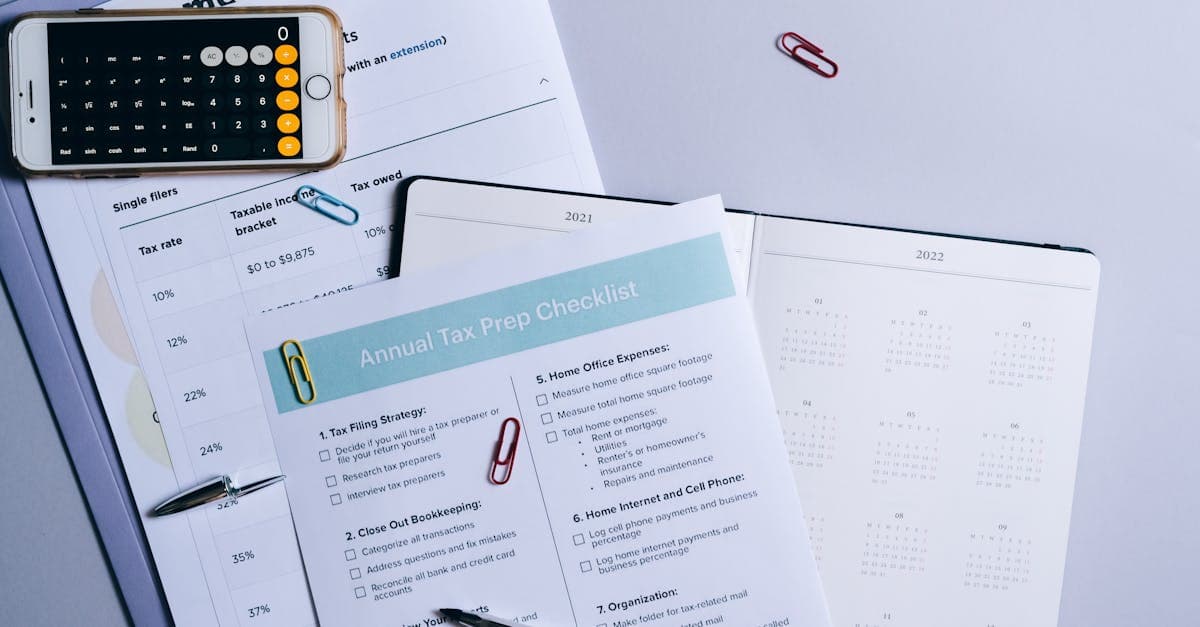
Policy Checkup Checklist: Every Item to Review During Your Annual Review
This comprehensive checklist covers every coverage, limit, deductible, endorsement, discount, and beneficiary designation you should review during your annual policy checkup.

How to Protect Yourself Before Signing an Assignment of Benefits
Before signing any AOB, get a written estimate, verify the contractor is licensed, understand the scope of work, and know your right to rescind. These steps protect your interests.

Insurance Claim Timeline by Type: Auto, Home, Health, and Life Compared
Different types of insurance claims follow different timelines. Comparing processing times across auto, homeowners, health, and life insurance helps you set type-specific expectations.

Gathering Receipts and Records: Building Your Claim File Before You File
Receipts, warranties, appraisals, and purchase records substantiate the value of damaged or stolen property. Assembling these documents before filing accelerates the claims process and supports higher valuations.

The Mistake of Not Understanding Life Insurance Policy Exclusions
Every life insurance policy contains exclusions that can prevent claim payment. Understanding what your policy does and does not cover prevents devastating surprises when your family files a claim.
Indexed Universal Life Insurance Illustrations: Caps, Floors, and Participation Rates
IUL illustrations project cash value growth based on index performance assumptions, cap rates, floor rates, and participation rates. Understanding these moving parts is essential for realistic expectations.

Life Insurance Medical Exam vs No-Exam Policies: Which Is Better?
Policies requiring a medical exam offer significantly lower premiums than no-exam alternatives. The exam saves money over the life of the policy by proving your actual health status to the insurer.

Group Life Insurance: An Alternative When Individual Coverage Is Denied
Employer-sponsored group life insurance typically requires no medical underwriting and cannot deny coverage based on health conditions. Group coverage provides a baseline when individual policies are not available.

The Risks of Not Repaying a Life Insurance Policy Loan
Unpaid policy loans accrue compound interest that can eventually exceed the cash value and cause the policy to lapse. A lapsed policy with an outstanding loan creates both a loss of coverage and a potential tax liability.

The True Cost of Cash Value Life Insurance Compared to Term Plus Investing
Critics argue that buying term insurance and investing the premium difference produces better returns than cash value life insurance. This analysis examines when that strategy works and when permanent insurance wins.

Death Benefits in Universal Life Insurance: Flexible Coverage With Variable Outcomes
Universal life insurance offers flexible death benefits that can increase or decrease based on premium payments, cash value performance, and policy options you select.

State Intestacy Laws and Life Insurance: Who Gets the Money Without a Beneficiary
When life insurance enters the estate and no will exists, state intestacy laws determine distribution. Typically the surviving spouse receives first priority, followed by children and other relatives.

What Happens When a Beneficiary Dies Before the Policyholder?
When a primary beneficiary predeceases the policyholder, the outcome depends on whether contingent beneficiaries are named and whether per stirpes or per capita distribution applies. Planning for this scenario prevents proceeds from going to your estate.

The Danger of Naming Your Estate as Life Insurance Beneficiary
When your estate is the beneficiary, the death benefit goes through probate, may be subject to creditor claims, and could face estate taxes. Naming a specific person or trust avoids these problems.

How Often Should You Review Your Life Insurance Beneficiary Designations?
Financial experts recommend reviewing beneficiary designations annually and after every major life event. Regular reviews prevent outdated designations from sending your death benefit to the wrong person.

Single-Income Families and Mortgage Life Insurance: Critical Protection
When one income covers the mortgage, that earner's death puts the home at immediate risk. Life insurance is not optional for single-income families with mortgages.

Life Insurance for Young Adults Without Children: Lock In Low Rates Now
Purchasing life insurance while young and healthy locks in the lowest possible premiums. Waiting until you have children or health issues develop means paying significantly more.

How Long Does Term Life Insurance Last? Understanding Policy Terms
Term life insurance is available in periods typically ranging from 10 to 30 years. The term you choose should match your specific protection need — the years until your children are independent, your mortgage is paid, or your spouse reaches retirement.

Indexed Universal Life Insurance: How Market-Linked Returns Work
Indexed universal life policies credit interest based on the performance of a stock market index like the S&P 500. Caps, floors, and participation rates determine how much of the index gain is credited to your cash value.

How Much Does Whole Life Insurance Cost? Factors That Determine Your Premium
Whole life premiums depend on age at purchase, health status, coverage amount, and the insurance company's pricing. Understanding these factors helps you evaluate affordability and find competitive rates.

What Happens When Your Term Life Insurance Expires?
When your term life policy expires, coverage ends and no death benefit is paid. You can renew at higher rates, convert to permanent coverage, or let the policy lapse if you no longer need it.

How Much Life Insurance Do You Need in Your 20s?
Young adults often underestimate their life insurance needs. Even in your twenties, debts, dependents, and future obligations create a need for coverage that grows as your responsibilities increase.

Why People Buy Life Insurance for Peace of Mind
Beyond the financial math, life insurance provides emotional security. Knowing that your family will be financially stable if you die removes a persistent worry that no other financial product can address.

Life Insurance Underwriting: How Companies Decide Your Risk and Premium
Life insurance underwriting is the process insurers use to evaluate your health, lifestyle, and risk factors to determine whether to offer coverage and at what premium. Understanding it removes the mystery.

The True Cost of Flood Damage to a Renter's Belongings
When floodwater destroys a renter's furniture, electronics, clothing, and personal items, replacement costs easily reach $10,000 to $50,000 or more. Without flood insurance, every dollar of replacement comes from the renter's own pocket.

What Flood Insurance Covers Inside Your Condo Unit
Individual condo flood insurance covers personal property, appliances, flooring, cabinetry, and improvements you have made to your unit. Understanding covered items helps you select appropriate coverage amounts.
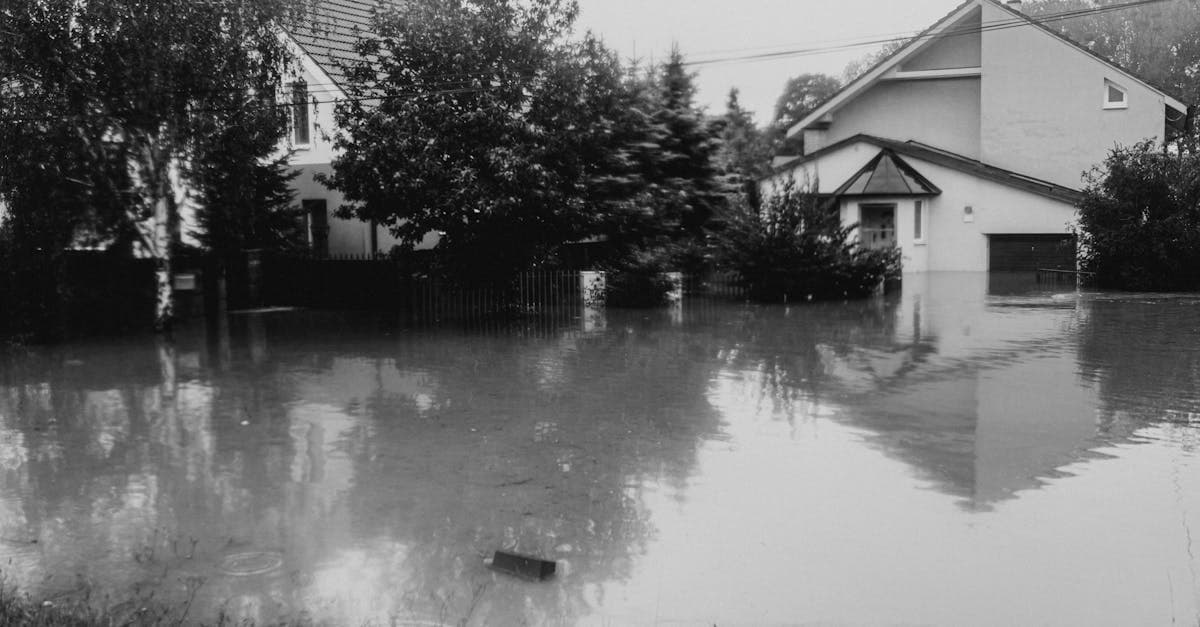
Urban Flooding: Why City Homes Outside Floodplains Still Face Flood Risk
Impervious surfaces, overwhelmed storm drains, and aging infrastructure create urban flooding risk that has nothing to do with rivers or coastlines. City homes face flood exposure regardless of FEMA zone.

Back-to-Back Hurricanes: What Happens to Your Deductible the Second Time?
When a second hurricane strikes weeks after the first, most per-occurrence policies require a fresh deductible payment. Understanding this reality before hurricane season helps homeowners prepare financially for multiple events.

State-by-State Hurricane Deductible Trigger Rules
Each coastal state defines when the hurricane deductible activates differently. Florida, Texas, Louisiana, and the Carolinas each have unique trigger definitions that determine your financial exposure during storm season.

What Happens After You Meet Your Florida Hurricane Deductible
Once you pay your hurricane deductible, your insurance covers the remaining eligible damage up to your policy limits. Understanding the claims process after meeting the deductible helps you plan for hurricane recovery.

Does Your Hurricane Deductible Apply to Every Storm or Just Once Per Season?
In most states, the hurricane deductible applies once per hurricane season after the first triggering storm. Subsequent hurricanes in the same season typically revert to your standard deductible.

Do You Need Both Wind Coverage and Flood Insurance? A Coastal Homeowner's Guide
Coastal homeowners face both wind and flood risks from the same storms. Carrying only one type of coverage leaves half the potential damage uninsured during hurricane season.

NFIP Flood Insurance vs Standard Homeowners Policy: A Side-by-Side Comparison
Comparing NFIP flood insurance with standard homeowners insurance reveals key differences in covered perils, policy limits, deductible structures, claims processes, and what each policy was designed to protect against.

Outdoor Property and Flood Insurance: Why Your Patio Furniture Is Not Covered
Flood insurance policies exclude most property located outside the insured building. Decks, patios, fences, landscaping, pools, hot tubs, and outdoor furniture are generally not covered under standard flood policies.

How Flood Insurance Handles Cleanup and Debris Removal After a Flood
Flood insurance covers reasonable costs for cleaning, sanitizing, and removing flood-damaged materials from your home. Debris removal is an essential part of the recovery process that your policy addresses.

Who Needs Flood Insurance in Florida? A Risk Assessment for Every Property Type
From waterfront estates to suburban ranch homes, every Florida property type faces some level of flood risk. Matching your flood insurance decision to your actual risk prevents costly gaps.

Private Flood Insurance vs NFIP in Florida: Meeting Lender Requirements
Florida homeowners can satisfy mandatory flood insurance requirements with either an NFIP policy or a qualifying private flood insurance policy. Understanding the differences helps you choose the right option.
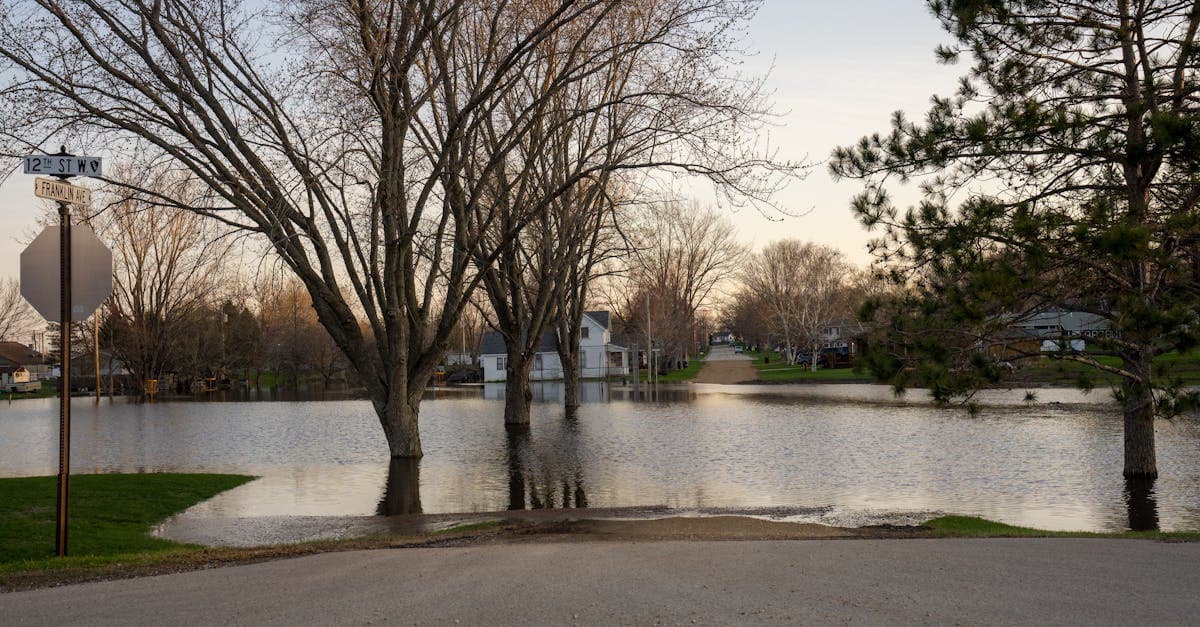
Flood Insurance Coverage Limits: Maximum Protection Under NFIP
NFIP residential policies cap building coverage at $250,000 and contents coverage at $100,000. Homeowners with properties valued above these limits should consider excess flood insurance from private carriers.
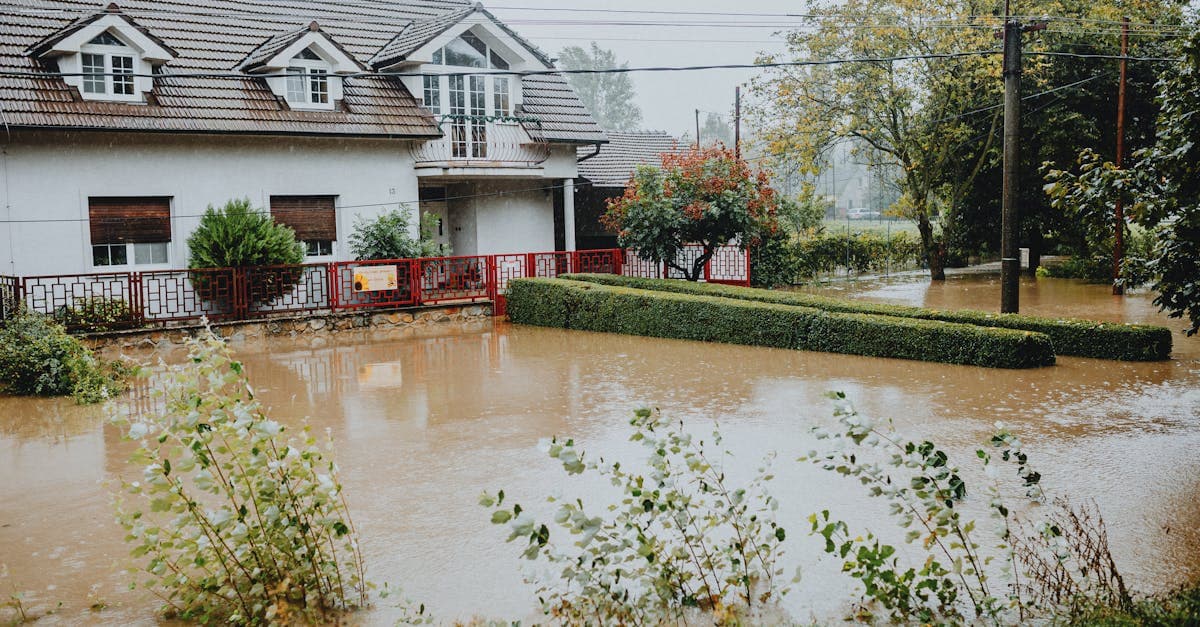
What Happens When You File a Flood Claim on Your Homeowners Policy
Filing a flood damage claim on your homeowners policy results in a denial. The adjuster will confirm the flood exclusion applies, leaving you responsible for all repair costs unless you carry separate flood insurance.

Florida Assignment of Benefits Reform: What Homeowners Need to Understand
Recent Florida legislation changed assignment of benefits rules that affect how homeowners handle insurance claims. Understanding these reforms helps you make informed decisions when contractors offer to manage your claim.

Smart Home Technology and Its Effect on Insurance Premiums
Smart home devices including leak detectors, smart thermostats, and connected smoke alarms reduce risk and may qualify for insurance discounts. Insurers increasingly recognize technology that prevents claims.

Endorsements and Riders Listed on Your Homeowners Declarations Page
Your declarations page lists all endorsements and riders added to your base policy. These additions modify your standard coverage and may add protections or change limits.

How to Create a Home Inventory for Insurance Purposes
Creating a room-by-room inventory of your possessions with photographs, serial numbers, purchase dates, and values takes a few hours but can mean the difference between a full settlement and a fraction of your actual loss.
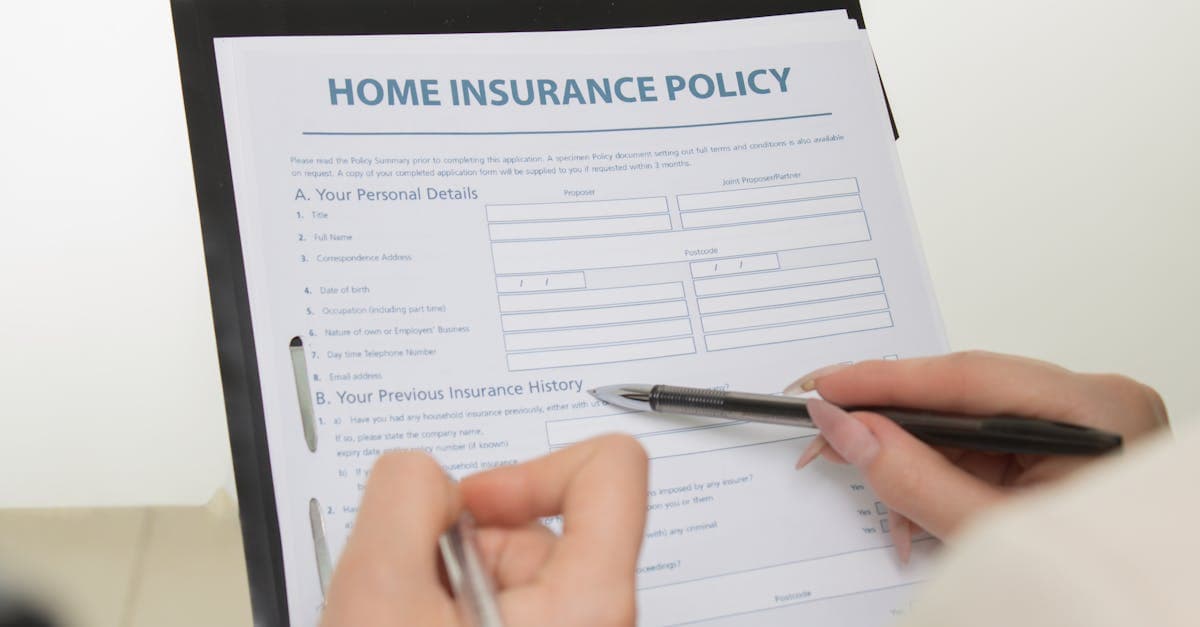
Top Reasons Homeowners Switch Insurance Before Their Policy Ends
Premium increases, poor claims service, coverage gaps, better competitor offers, and life changes are the most common reasons homeowners switch mid-term. Each reason has different implications for timing and strategy.

Comparing Your Renewal Policy Form to Last Year's Coverage
Policy forms can change at renewal, altering coverage terms without changing premium. Comparing your renewal documents to last year's declarations page reveals every modification to your protection.

How Changes in Your Neighborhood Affect Your Homeowners Premium
Increased crime rates, new construction that changes wildfire risk, proximity to fire hydrants, and changes in local fire department ratings can all affect your premium through neighborhood risk assessment.

How Your Home Insurance Deductible Applies to Fire Damage Claims
Fire claims often involve large dollar amounts, making your deductible a relatively small portion of the total loss. Understanding how the deductible is subtracted from fire claim payments clarifies your out-of-pocket exposure.

The Ten Most Common Homeowners Insurance Coverage Mistakes
From insuring at market value instead of replacement cost to ignoring liability limits, coverage mistakes leave homeowners exposed to losses they assumed were covered. Recognizing these mistakes before a claim occurs gives you time to fix them.

Actual Cash Value and Older Homes: A Coverage Challenge
Older homes with aged systems and finishes are hit hardest by ACV valuation. Decades of depreciation on plumbing, electrical, and roofing can reduce payouts to a fraction of rebuild costs.

Replacement Cost Coverage for Older Homes: Special Considerations and Challenges
Older homes present unique replacement cost challenges including outdated materials, craftsman details that are expensive to replicate, and building code upgrades. Understanding these issues prevents claim surprises.

Does Personal Property Coverage Protect Electronics and Computers?
Your laptop, smartphone, television, and other electronics are covered under personal property coverage, but sublimits and exclusions may limit your payout.
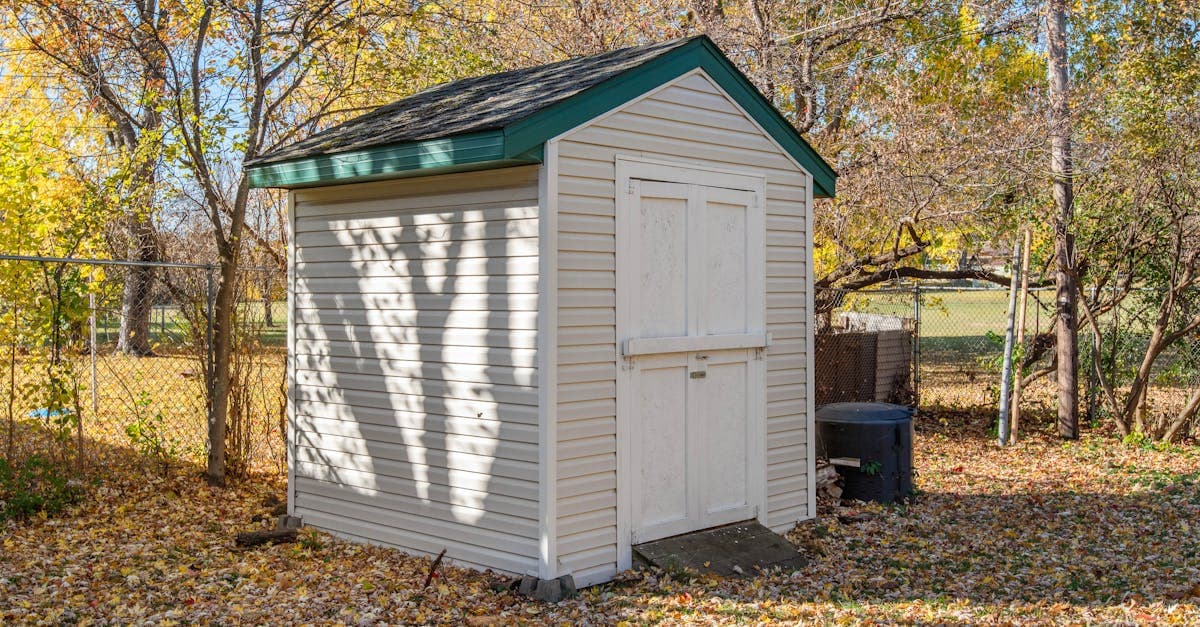
Other Structures Coverage and Storm Damage: What Happens When Wind Hits Your Shed
Storm damage is the most common trigger for other structures claims. Wind, hail, and fallen trees can destroy sheds, fences, and detached garages, and Coverage B pays for the repairs.

Dwelling Coverage and Storm Damage: What Your Policy Covers
Wind, hail, and fallen trees can cause significant structural damage. Your dwelling coverage repairs the roof, siding, windows, and other structural elements damaged by covered storms.

Documenting Your Loss of Use Claim: Receipts, Records, and Reimbursement
Proper documentation is essential for maximizing your ALE reimbursement. Keep every receipt and maintain detailed records from the moment you are displaced.

Medical Payments to Others: The Other Liability Coverage on Your Policy
Medical payments coverage works alongside personal liability to handle smaller injury claims without a lawsuit. Understanding how the two work together is important.

Sports Equipment Coverage Outside Your Home Explained
Golf clubs, skis, and surfboards face theft and damage risks during travel. Homeowners insurance provides coverage but with limitations worth understanding.
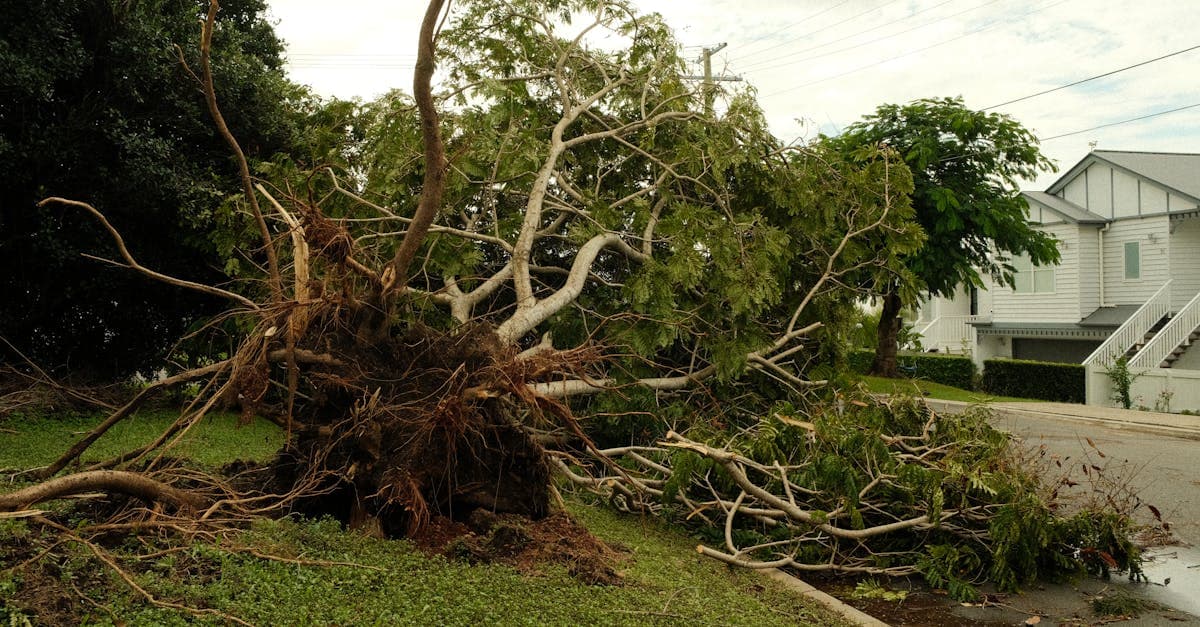
Tree Blocking Your Driveway: Does Insurance Cover Removal?
Your homeowners policy may cover tree removal when a fallen tree blocks your driveway or accessibility ramp, even if no structural damage occurred.

Fallen Trees After a Storm: What Your Insurance Covers
When a storm topples a tree onto your home, fence, or car, multiple insurance coverages may apply. Knowing which policy pays for what simplifies the claims process.

What Homeowners Insurance Does Not Cover for Plumbing
Understanding plumbing exclusions prevents costly surprises. Gradual damage, maintenance failures, and certain pipe materials may fall outside your coverage.

Mold Remediation Costs: What Homeowners Actually Pay Out of Pocket
Professional mold remediation costs $1,500 to $30,000 depending on severity. Understanding what insurance covers and what falls on you helps you budget for the worst.
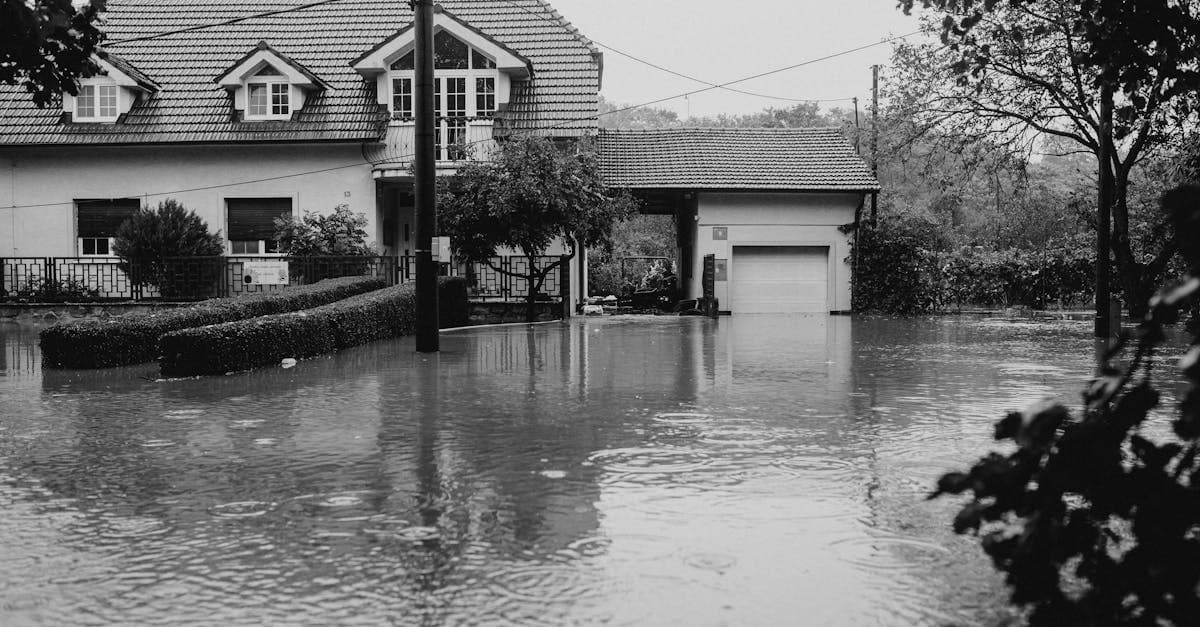
Water Heater Failure Claims: What Homeowners Insurance Pays
A sudden water heater rupture that floods your basement triggers homeowners coverage. Understanding how these claims work and what documentation you need maximizes your payout.

How Insurance Adjusters Evaluate Roof Leak Claims
Your insurance adjuster's assessment determines your payout. Knowing what adjusters look for during a roof inspection helps you prepare and ensures your damage is fully documented.

Homeowners Claim Denied? Here's What Happens Next
When your homeowners claim is denied by an exclusion, you're on the hook for repairs. See how to appeal, what proof helps, and when to escalate.

Does Homeowners Insurance Cover Water Damage? It Depends
Homeowners insurance covers some water damage but excludes others. The source of the water determines whether your policy pays, making this one of the most misunderstood coverages.

How Often Florida Snowbirds Should Review Their Auto Insurance
Seasonal residents face unique insurance challenges with dual-state coverage, vehicle storage, and changing garaging addresses. Regular reviews prevent gaps and overpayment.

Florida Vehicle Registration Revocation Due to Insurance Lapse
When Florida detects an insurance lapse, your vehicle registration is suspended. Driving on a suspended registration adds criminal penalties on top of the insurance violation.

Understanding Florida's 14-Day PIP Rule and Why It Matters
If you do not see a medical provider within 14 days of a Florida car accident, your PIP benefits drop from $10,000 to $2,500. This rule catches many drivers off guard.

Florida PDL in Multi-Vehicle Accidents: Why $10K Isn't Enough
In a multi-car pileup, your PDL limit splits across all damaged vehicles. Florida's $10K minimum can run out fast — see when to raise your limit before it's too late.

How to File a Florida PIP Claim: Step-by-Step Guide
Filing a PIP claim involves specific steps and strict deadlines. Following the correct process ensures your benefits are paid promptly and completely.

What to Do If You Are Hit by an Uninsured Driver in Florida
Despite mandatory insurance laws, uninsured drivers are common in Florida. Knowing your coverage options after being hit by one is essential.

What If Someone Crashes Your Car and Flees the Scene?
A borrower leaving the scene of an accident creates criminal and insurance complications. Understanding your options protects your interests.

Does Car Insurance Follow the Car When You Move to a New State?
Moving states requires updating your auto insurance to comply with new laws. Your existing policy may not transfer the way you expect.

Does Insurance Cover Carjacking? What Each Coverage Pays For
Comprehensive covers the stolen car; medical payments and PIP cover injuries; UM may cover trauma if you're attacked. See which coverages respond to a carjacking.

Does Liability Insurance Cover Windshield Damage?
Liability-only policies do not cover your own windshield. Understanding this gap helps you decide whether adding comprehensive coverage is worth the cost.
Gap Insurance Exclusions: What It Does Not Cover
Gap insurance has exclusions including overdue payments, added accessories, and certain vehicle modifications. Understanding the limits prevents claim surprises.

Rental Reimbursement for Comprehensive Claims
If your vehicle is damaged by theft, weather, or other comprehensive perils, rental reimbursement provides a vehicle during the repair period.

When Is Roadside Assistance Worth Adding to Your Policy?
Drivers of older vehicles, long-distance commuters, and those without mechanical skills benefit most from roadside assistance. Knowing when it adds value helps you decide.

Is Stacked UM Coverage Worth the Extra Cost?
Stacking multiplies your UM limits across vehicles for a modest premium increase. Understanding the math helps you decide if stacking is worth it.

How Much Uninsured Motorist Coverage Do You Need?
Choosing the right UM limits depends on your assets, your health insurance, and your state's rules. This guide helps you find the right amount.

How Comprehensive Insurance Handles Windshield and Glass Damage
Many states allow glass claims without a deductible under comprehensive coverage. Understanding your state's rules can save you hundreds.

Should You Drop Collision Coverage on an Older Car?
As your vehicle depreciates, the math on collision coverage changes. Here is how to calculate when dropping it makes financial sense.

When Minimum Liability Limits Become Maximum Financial Exposure
Every dollar below adequate liability limits is a dollar of personal asset exposure. Minimum limits create maximum personal risk.

Full Coverage Car Insurance: What It Means, What It Costs, What It Misses
A complete overview of full coverage — from its informal definition to its real costs to the surprising scenarios it still doesn't handle.

The Six Types of Auto Coverage and Why Each One Exists
Liability, collision, comprehensive, uninsured motorist, medical payments, and PIP each address different risks. Missing any one can leave you dangerously exposed.

What to Ask About the Claims Process Before You Buy
The claims process determines whether your insurance actually works when you need it. These questions predict your future claims experience.

The Five-Minute Monthly Insurance Check That Saves Thousands
A brief monthly scan of your insurance situation catches changes early and prevents the build-up of coverage misalignment throughout the year.

Why Insurance Rates Go Up After Natural Disasters Even If You Were Not Affected
When hurricanes, wildfires, or floods cause billions in losses, insurers raise rates across entire regions to rebuild their reserves.

When Filing a Claim Leads to Non-Renewal: The Risk Nobody Discusses
Too many claims — even small ones — can lead your insurer to refuse renewal. Finding new coverage after non-renewal is expensive and difficult.
Liability Situations: When You Must File a Claim
If someone is injured on your property or in an accident you caused, filing immediately is critical. Liability exposure can dwarf any premium concern.

How Health Insurance Claims Work Behind the Scenes
Most health claims are processed automatically, but when problems arise, understanding the system helps you resolve billing disputes faster.

When to Add an Endorsement to Your Insurance Policy
Life changes, new purchases, and emerging risks all signal opportunities to add endorsements that strengthen your coverage.

Wear and Tear: The Exclusion That Catches Everyone Off Guard
Insurance covers sudden and accidental damage, not gradual deterioration. Understanding the wear and tear exclusion prevents claim disappointments.

The ACV Gap: Why Your Insurance Payout Falls Short
The gap between what you need to recover and what ACV coverage actually pays is one of the most common sources of financial hardship after a loss.
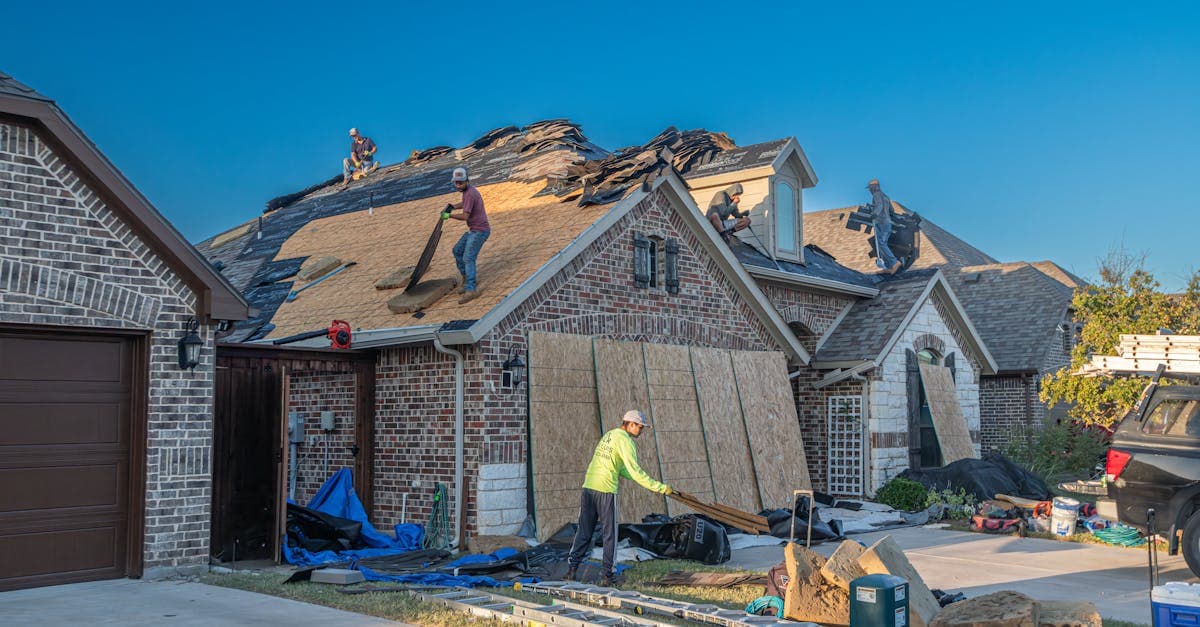
Replacement Cost vs Market Value: Why They Are Not the Same
Your home's market value includes land, location, and supply and demand. Replacement cost reflects only the cost to rebuild the structure itself.

Home Insurance Limits and Deductibles: Protecting Your Biggest Asset
Your home policy has multiple limits and potentially different deductibles. Getting these numbers right protects your largest investment.

What Drives Your Insurance Premium Up and Down
Premiums are not fixed. They move based on factors you can control and factors you cannot. Learn which is which and focus on what matters.
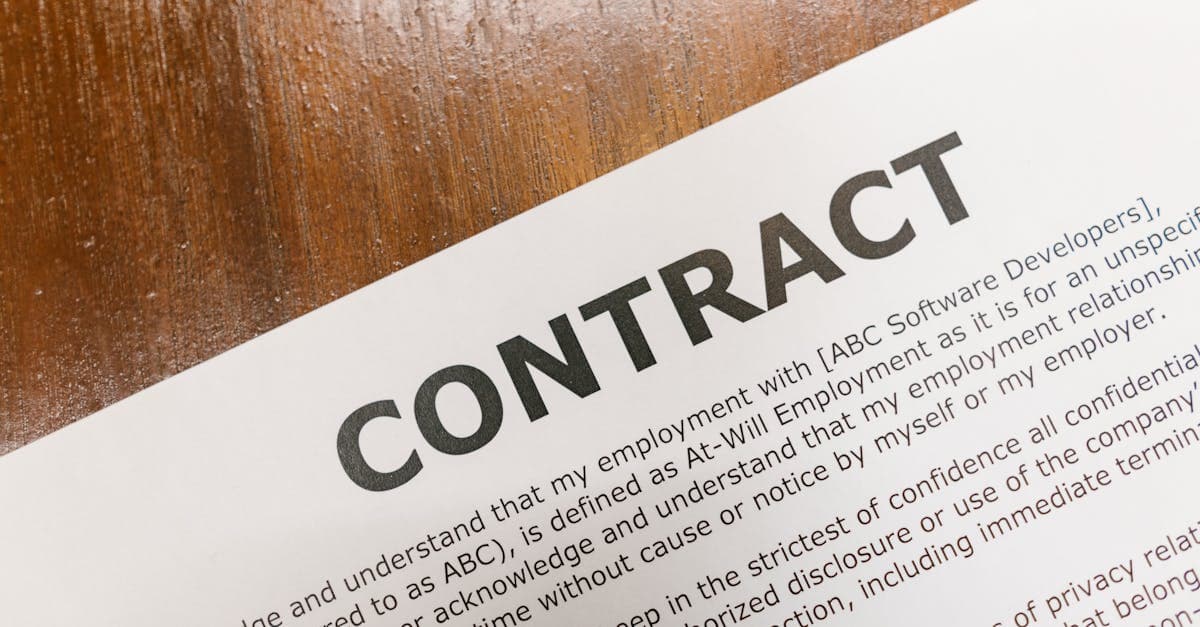
Declarations Page Deep Dive: Every Section Explained
From named insureds to coverage limits to endorsement schedules, we break down every component of the declarations page in plain English.

Deductibles in Action: Real Claims, Real Numbers
See exactly how deductibles work through real-world claim scenarios across auto, home, and health insurance.

What Insurance Actually Covers: A Knowledge-First Guide to Your Policy
Most policyholders pay their premiums faithfully but have never truly read what their policy covers — and that gap in knowledge can cost thousands when a claim arises. Being covered and informed means understanding exactly what protection you have, what falls outside it, and why.