Fallen Trees After a Storm: What Your Insurance Covers

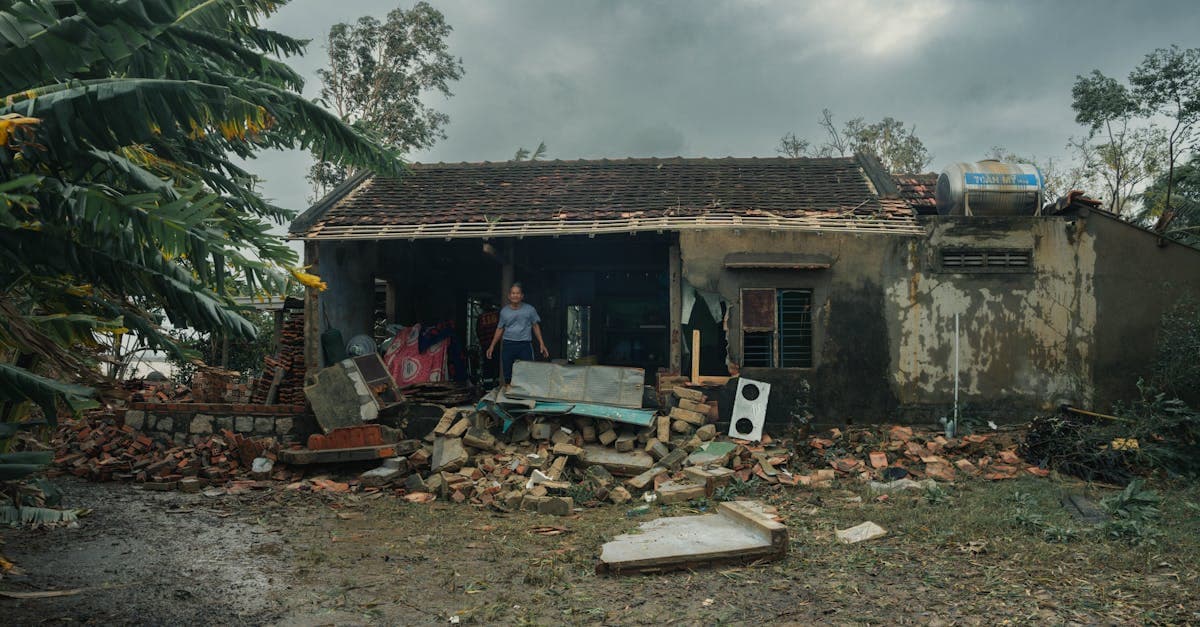
Let's talk about what happens to your homeowners insurance coverage when a major storm rolls through your neighborhood. Your homeowners insurance is the anchor that holds your finances steady when storms batter your home from every direction. It covers many types of storm damage, but it does not cover everything, and the distinctions matter enormously.
Think of storms as the unpredictable squalls that can sweep through any neighborhood and leave devastation behind. Wind, hail, lightning, and tornadoes are generally covered perils under standard homeowners policies. These are the sudden, violent events that damage roofs, break windows, topple trees, and tear off siding. When these forces damage your home, your dwelling coverage typically pays for repairs.
However, there is a critical boundary that catches many homeowners off guard. Flooding from storm surge, rising water, and ground saturation is not covered by standard homeowners insurance — even when a storm caused the flooding. This distinction between wind damage and water damage has led to countless disputed claims, particularly after hurricanes where both forces are at work simultaneously.
Understanding where your storm coverage begins and ends is the foundation of financial preparedness. The time to learn these boundaries is before storm season, when you can adjust your coverage, add endorsements, and purchase supplemental policies like flood insurance. After the storm hits, your coverage is locked in and your options are limited to working with what you have.
Additional Living Expenses After Storm Damage
Here is the thing though — When storm damage makes your home uninhabitable, your homeowners policy's loss of use coverage — also called Coverage D or additional living expenses — pays the extra costs of living elsewhere while repairs are completed. Understanding this coverage helps you manage the financial impact of displacement.
What ALE covers: Additional living expenses include the difference between your normal living costs and the increased costs of temporary housing. Hotel or rental housing costs, restaurant meals beyond your normal food budget, laundry services, additional transportation costs, and storage for your belongings are all covered.
The difference standard: ALE pays the difference between what you normally spend and what you must spend while displaced. If your monthly mortgage payment is $2,000 and a temporary rental costs $2,500, ALE pays the $500 difference in housing plus any other increased costs. If you stay with family rent-free, you may still claim other increased expenses like meals and transportation.
Coverage limits: ALE is typically limited to a percentage of your dwelling coverage — commonly twenty percent. On a $300,000 dwelling, that means up to $60,000 in additional living expenses. There may also be time limits on how long ALE coverage lasts, usually twelve to twenty-four months. Major storm damage repairs can take months, so understanding your time and dollar limits is important.
Documentation requirements: Keep detailed receipts for all additional expenses while displaced. Track hotel bills, restaurant costs, gas receipts, and any other expenses that exceed your normal spending. The insurer will compare your claimed expenses against your typical costs to determine the covered difference.
Returning home: ALE coverage ends when your home is repaired and habitable, when you reach your coverage limit, or when the time limit expires — whichever comes first. If repairs take longer than expected, communicate with your insurer about your ALE status before approaching any limits.
Flood Damage vs Storm Damage: The Critical Distinction
Here is the thing though — Understanding the difference between flood damage and storm damage is charting a safe course through the aftermath of nature's most destructive forces because it determines whether your homeowners insurance pays for water damage or whether you need a separate flood policy. This distinction is the single most important boundary in storm damage coverage.
What your homeowners policy covers: Wind-driven rain that enters through damaged windows, doors, or roof openings is covered storm damage. Water that enters from above — through a breached roof or broken skylight — is covered. The key principle is that a covered peril created the opening through which water entered.
What requires flood insurance: Rising water from any source — storm surge, overflowing rivers, overwhelmed storm drains, saturated ground — is flooding regardless of what caused it. Your homeowners policy excludes this damage. Even if a hurricane's winds caused the ocean to surge into your home, the water damage is classified as flooding. The National Flood Insurance Program and private flood insurers provide this coverage separately.
The overlap zone: Many storm events create both types of damage simultaneously. A hurricane blows off your roof while storm surge floods your first floor. The roof damage and rain entering from above is covered by homeowners insurance. The surge water entering from below is covered only by flood insurance. If you lack flood insurance, the lower-level damage is entirely your responsibility.
Burden of proof: In disputed claims where both wind and water damaged the same areas, determining the cause of specific damage becomes contentious. Generally, you must prove that wind — a covered peril — caused the damage you are claiming. The insurer must prove that flooding — an excluded peril — caused the damage they are denying.
Protecting yourself: The only way to close this coverage gap is to carry both homeowners insurance and flood insurance. In flood-prone areas, this dual coverage is essential. Even outside high-risk flood zones, more than twenty percent of flood claims come from properties in low-to-moderate risk areas.
Avoiding Contractor Fraud After Storm Damage
Now, this is where it gets interesting. Major storms attract fraudulent contractors who prey on vulnerable homeowners dealing with damage and displacement. Understanding the warning signs protects your property, your insurance claim, and your finances.
Storm chaser warning signs: Unsolicited door-to-door contractors who appear immediately after a storm are the highest risk. Red flags include demanding large upfront payments, offering to waive your deductible, pressuring you to sign an assignment of benefits immediately, providing only a cell phone number with no physical business address, and claiming they can get your insurance to pay more than the actual damage warrants.
The deductible waiver scam: A contractor who offers to waive your deductible is committing insurance fraud and putting you at risk. They inflate the claim amount to cover the deductible cost, which means you are participating in a fraudulent claim that can result in policy cancellation and potential criminal liability.
Assignment of benefits risks: An assignment of benefits transfers your insurance claim rights to the contractor, who then deals directly with your insurer. While legitimate in some circumstances, unscrupulous contractors use AOBs to inflate claims, delay settlements, and pursue litigation against your insurer using your claim rights. Many states have reformed AOB laws due to widespread abuse.
Protecting yourself: Get multiple estimates from licensed, insured contractors with verifiable local business histories. Check references and online reviews. Verify contractor licenses with your state licensing board. Never sign anything under pressure, especially immediately after storm damage when emotions are high and judgment may be impaired.
Working with your insurer: Your insurer can provide a list of approved contractors, though you are not required to use them. Communicate with both your contractor and your insurer throughout the repair process. If a contractor's estimate significantly exceeds the insurer's estimate, have both parties discuss the scope of work before authorizing repairs.
Lightning Strike Damage and Home Insurance
Here is the thing though — Lightning strikes cause an estimated $1 billion in residential damage annually in the United States. Your homeowners insurance covers lightning damage comprehensively, including fire, electrical system damage, and destruction of electronics and appliances.
Direct strike damage: A lightning bolt striking your home can start a fire in the attic or walls, crack masonry, damage roofing materials, and destroy the electrical panel. The concussive force can also cause structural cracking. All of this damage is covered under your dwelling coverage as damage from a named peril.
Power surge damage: Lightning strikes — even those hitting nearby power lines rather than your home directly — can send power surges through your electrical system that destroy computers, televisions, appliances, and HVAC controls. This damage is covered under your personal property coverage for contents and dwelling coverage for built-in systems.
Fire from lightning: If a lightning strike starts a fire in your home, the fire damage is covered under both the lightning and fire provisions of your policy. Fire damage claims from lightning often result in significant payouts because fire can spread through walls and attic spaces before it is detected.
Surge protector impact: While whole-house surge protectors cannot prevent all lightning damage, they can reduce the extent of damage to electronics. Some insurers offer premium discounts for whole-house surge protection. Regardless of surge protectors, your coverage applies fully when lightning causes damage.
Documentation for lightning claims: For lightning damage claims, note the date and approximate time of the strike. If neighbors or local fire departments responded to lightning-related incidents in your area, their reports can corroborate your claim. Photograph all visible damage including burn marks, cracked materials, and damaged electronics.
Filing a Storm Damage Insurance Claim
Now, this is where it gets interesting. The storm damage claims process follows specific steps, and moving through them efficiently helps you get repairs completed and your life back to normal as quickly as possible.
Step one — ensure safety: Before thinking about insurance, make sure your family is safe. If structural damage is severe, do not enter the building until it is cleared by professionals. Turn off utilities if you suspect gas leaks or electrical hazards.
Step two — document everything: Once safe, photograph and video-record all damage from multiple angles. Include wide shots showing the overall scope and close-ups of specific damage. Photograph the exterior and interior. Capture damaged personal property. Note the date and time. If possible, photograph conditions during or immediately after the storm to establish causation.
Step three — make temporary repairs: Cover roof breaches, board broken windows, and remove standing water to prevent further damage. Photograph these temporary repairs and keep all receipts. Do not make permanent repairs before the adjuster inspects.
Step four — contact your insurer: Report the claim as soon as possible. Most insurers offer 24-hour claim reporting. Provide basic facts about the storm event and the damage. You will receive a claim number and timeline for adjuster contact.
Step five — work with the adjuster: The assigned adjuster will inspect your property, assess the damage, and prepare an estimate. Be present during the inspection to point out all damage areas. Provide your documentation, photographs, and temporary repair receipts. If damage is extensive, consider hiring a public adjuster to represent your interests.
Step six — review and negotiate: Review the adjuster's estimate carefully. If you believe it is too low, provide contractor estimates that support a higher figure. You have the right to dispute the settlement amount and request re-inspection of missed damage areas. Most storm damage claims are negotiable.
Tornado Damage Coverage Under Homeowners Insurance
Now, this is where it gets interesting. Tornadoes represent the unpredictable squalls that can sweep through any neighborhood and leave devastation behind at its most extreme. These storms can cause complete destruction of a home in seconds. Your homeowners insurance covers tornado damage comprehensively — including total loss — because tornadoes are classified as a wind event under standard policies.
Total destruction coverage: If a tornado completely destroys your home, your dwelling coverage pays up to your policy limit to rebuild. This is the scenario where adequate dwelling coverage limits matter most. If your rebuilding cost exceeds your dwelling limit, you are responsible for the difference.
Partial tornado damage: More common than total destruction, partial tornado damage includes roof loss, wall collapse, shattered windows, and debris impact damage. All of these are covered under your dwelling coverage. Interior damage from rain entering through tornado-created openings is also covered as consequential damage.
Debris removal: Tornado cleanup can be enormously expensive. Your homeowners policy includes debris removal coverage, typically as an additional amount beyond your dwelling limit. If the debris removal cost exceeds your policy's debris removal provision, the excess comes out of your pocket or your dwelling coverage limit.
Code upgrade requirements: After significant tornado damage, rebuilding must comply with current building codes, which may have changed since your home was originally built. Ordinance or law coverage pays for the additional cost of meeting updated codes. Without this endorsement, you are responsible for the upgrade costs, which can add significantly to the total.
Tornado claim process: After tornado damage, safety is the first priority. Once cleared, document damage extensively before any cleanup. Contact your insurer immediately — after major tornadoes, claim volumes spike and adjuster wait times lengthen. Temporary repairs to prevent further damage are your responsibility and are reimbursable under your policy.
Fallen Trees After Storms: Insurance Coverage
Here is the thing though — Storm-felled trees create some of the most confusing insurance situations because coverage depends on what the tree hit, where it fell from, and whose tree it was. Understanding these rules clarifies what to expect after a storm topples trees on or near your property.
Tree on your house: If a storm blows a tree onto your home, your dwelling coverage pays for the structural damage to your house. This is true regardless of whether the tree came from your property or your neighbor's property. Your insurance covers damage to your home; the tree's origin does not matter.
Tree on other structures: A tree that falls on your fence, shed, or detached garage is covered under your policy's other structures coverage. This coverage typically equals ten percent of your dwelling coverage amount, though you can purchase additional limits.
Tree on your car: Vehicle damage from a fallen tree is covered by your auto insurance comprehensive coverage, not your homeowners policy. If you carry comprehensive on your auto policy, the tree damage to your vehicle is covered minus your auto comprehensive deductible.
Tree removal costs: Your homeowners policy covers tree removal when the fallen tree has damaged a covered structure or is blocking a driveway or accessibility ramp. Most policies include a per-tree removal limit, commonly $500 to $1,000 per tree. If the tree simply fell in your yard without hitting anything, removal is typically your expense unless it blocks access.
Neighbor's tree, your damage: If your neighbor's tree falls on your property due to a storm, your homeowners insurance covers the damage to your structures. You generally cannot hold your neighbor liable for storm damage because storms are considered acts of nature. However, if the tree was dead or diseased and you had previously notified your neighbor, they may have negligence liability.
What the Numbers Tell Us About Storm Coverage
The statistics paint a clear picture of storm damage risk. Severe storms cause tens of billions in insured residential losses annually, and the trend is increasing. The average homeowner in a storm-prone area will file at least one storm damage claim during a typical period of homeownership.
Given these numbers, understanding your storm damage coverage is not optional — it is financially essential. The difference between a homeowner who understands their hurricane deductible and one who does not can be thousands of dollars in unexpected out-of-pocket costs. The difference between having flood insurance and not having it can be the difference between recovery and financial devastation.
The data also shows that well-documented claims receive higher settlements. Homeowners who photograph their property before damage, document damage thoroughly, and present organized claims consistently receive better outcomes than those who rely solely on the adjuster's assessment.
Invest the time to understand your storm coverage numbers: your dwelling coverage limit, your deductible for each storm type, your ALE limit, and your other structures limit. These numbers define your financial safety net when storms strike.
Continue reading

The Hidden Exclusions That Make Cheap Insurance Quotes Dangerous
Budget insurance quotes often achieve low prices by excluding coverages that standard policies include. Identifying these hidden exclusions before you buy prevents devastating coverage gaps when you need protection most.

Policy Checkup Checklist: Every Item to Review During Your Annual Review
This comprehensive checklist covers every coverage, limit, deductible, endorsement, discount, and beneficiary designation you should review during your annual policy checkup.

How to Protect Yourself Before Signing an Assignment of Benefits
Before signing any AOB, get a written estimate, verify the contractor is licensed, understand the scope of work, and know your right to rescind. These steps protect your interests.