Does Homeowners Insurance Cover Water Damage? It Depends

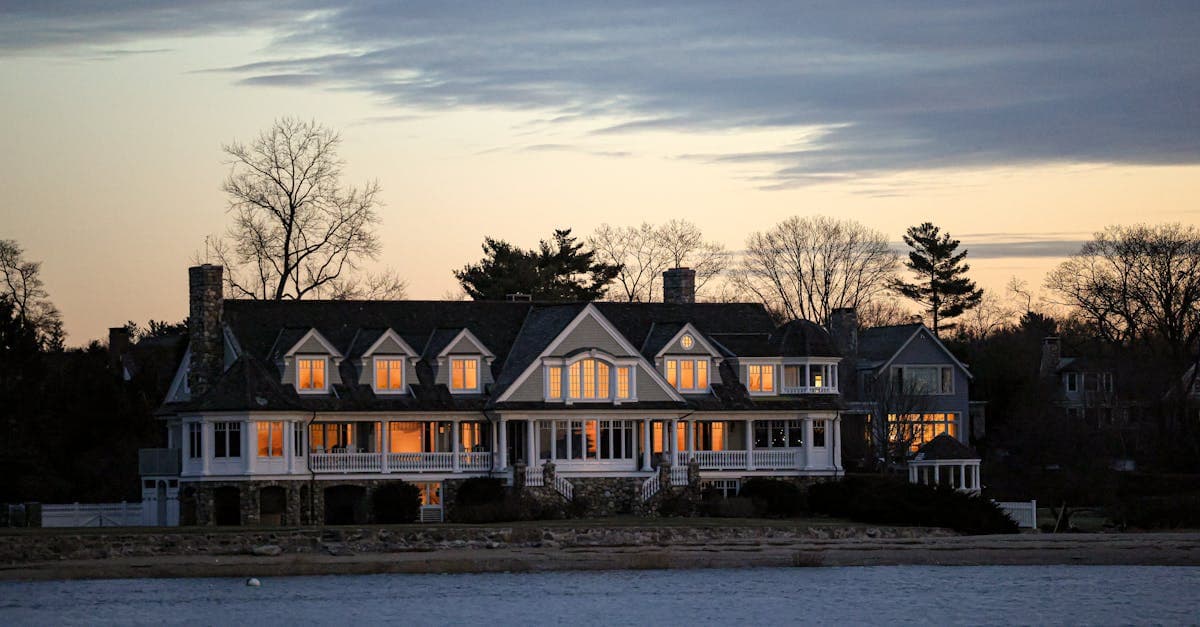
Let's walk through what homeowners insurance actually covers — because most people have a policy but few really understand everything it protects. Homeowners insurance is the compass that guides homeowners through the vast terrain of property risk toward financial safety. A standard HO-3 policy — the most common type in America — provides six distinct categories of coverage that together form a comprehensive protection system for your property and your finances.
The first layer is dwelling coverage, which pays to repair or rebuild your home's structure after covered damage. The second is other structures coverage, protecting detached buildings like garages, sheds, and fences. The third is personal property coverage, which protects your belongings inside and outside the home. The fourth is loss of use, covering additional living expenses when you cannot occupy your home. The fifth is personal liability, protecting you against lawsuits when someone is injured on your property or you accidentally damage someone else's property. The sixth is medical payments to others, providing no-fault coverage for guests injured on your premises.
Together, these six sections create a layered defense system. But every homeowners policy also contains exclusions — specific events and types of damage the policy will not cover. Floods, earthquakes, maintenance-related damage, and intentional acts are among the most significant exclusions that catch homeowners off guard.
Understanding what your homeowners insurance covers — and what it explicitly does not — is the uncharted waters where homeowners drift without protection when disaster strikes their most valuable asset. The gap between perceived coverage and actual coverage is where financial disasters occur. A homeowner who assumes flood damage is covered discovers the truth only after water fills their basement. This guide walks through every coverage section, every common exclusion, and every strategic decision that determines whether your policy truly protects your home.
Key Exclusions: What Homeowners Insurance Does Not Cover
Here is the thing though — Every homeowners policy contains exclusions — specific events and damage types the policy will not cover. These exclusions represent the uncharted waters where homeowners drift without protection when disaster strikes their most valuable asset, and understanding them is just as important as understanding what is covered.
Flood damage: The most significant exclusion for many homeowners. No standard homeowners policy covers flood damage, defined as water entering from outside through surface accumulation, overflow, or storm surge. This exclusion applies even during hurricanes — wind damage is covered but the accompanying flood damage is not.
Earthquake damage: Standard policies exclude ground movement including earthquakes, landslides, mudslides, and sinkholes (in most states). Homeowners in seismically active areas need separate earthquake insurance to protect their homes.
Maintenance and neglect: Damage resulting from failure to maintain your home is excluded. This includes roof deterioration, rotting wood, peeling paint, failed caulking, and any damage that proper maintenance would have prevented. The insurer's position is that homeowners are responsible for upkeep, and insurance covers accidents — not neglect.
Pest and vermin damage: Termites, rodents, insects, and other pests cause billions in damage annually, but homeowners insurance excludes it entirely. The rationale is that pest damage is preventable through regular inspections and treatments, making it a maintenance issue rather than an insurable accident.
Wear and tear: The gradual deterioration every home experiences — aging roofs, worn flooring, dated plumbing — is excluded. Insurance covers sudden events, not the inevitable aging process.
Intentional damage: Any damage you cause intentionally is excluded. The exclusion also applies to intentional damage by household members, though innocent co-insureds may retain coverage in some policies.
What Perils Does Your Homeowners Policy Cover?
Here is the thing though — Understanding which perils — causes of damage — your homeowners policy covers is essential, because the peril determines whether a claim is paid. Your homeowners policy is the compass that guides homeowners through the vast terrain of property risk toward financial safety, and the perils it covers define the scope of that protection.
Open perils for the dwelling: Your home's structure is covered on an open perils basis, meaning everything is covered unless specifically excluded. This broad approach means you do not need to check a list of covered perils before filing a dwelling claim — if the damage was caused by something not excluded, it is covered. Common exclusions include flood, earthquake, war, nuclear hazard, government action, intentional damage, and neglect.
Named perils for personal property: Your belongings are covered only against sixteen specifically listed perils: fire, lightning, windstorm, hail, explosion, riot or civil commotion, damage by aircraft, damage by vehicles, smoke, vandalism, theft, volcanic eruption, falling objects, weight of ice or snow, accidental discharge of water or steam, and sudden accidental damage from artificially generated electrical current.
Why the distinction matters: If a pipe bursts suddenly and floods your living room, both your dwelling and personal property are covered — the dwelling under open perils and your furniture under the named peril of accidental water discharge. But if your roof slowly deteriorates and allows rain to damage your belongings, the dwelling damage is excluded as a maintenance issue, and the personal property damage may be denied because rain is not a named peril when it enters through neglected maintenance.
Upgrade options: Some insurers offer HO-5 policies that extend open perils coverage to personal property as well. The additional cost is typically 5 to 15 percent more than an HO-3 and provides significantly broader protection for your belongings.
Reading your policy: Check your declarations page to confirm whether your policy is an HO-3 or HO-5. This distinction fundamentally affects your ability to file claims for unusual types of damage.
Natural Disaster Coverage: What Is Covered and What Is Not
Now, this is where it gets interesting. Natural disasters create some of the most devastating and expensive homeowners claims, yet standard policies cover some disasters while excluding others entirely. Understanding which natural events your policy covers is critical for every homeowner.
Covered natural events: Wind damage from hurricanes and severe storms is covered under standard homeowners insurance. Hail damage is covered. Lightning strikes and resulting fire are covered. Tornadoes, which cause wind damage, are covered. Volcanic eruption damage is covered. Winter storms producing ice, snow, and freezing damage are covered. These events fall within the standard policy's covered perils.
Excluded natural events: Floods from any source — river overflow, storm surge, heavy rain accumulation, and coastal flooding — are excluded and require a separate flood policy. Earthquakes and earth movement including landslides are excluded and require separate earthquake insurance. Sinkholes may require specific endorsements depending on your state.
Hurricane-specific considerations: Hurricanes produce both covered and excluded damage simultaneously. Wind damage to your roof is covered. Rain entering through wind-created openings is covered. But storm surge flooding your first floor is excluded. This dual-damage scenario creates complex claims where insurers must determine which damage was caused by covered wind versus excluded flooding.
Wind and hail deductibles: In hurricane-prone and hail-prone regions, policies often include separate wind and hail deductibles — typically 1 to 5 percent of dwelling coverage rather than a flat dollar amount. On a $400,000 home, a 2 percent wind deductible means $8,000 out of pocket.
Filling the gaps: Purchase flood insurance if you are in a flood zone. Add earthquake coverage in seismically active areas. Ask about sinkhole endorsements where applicable. These supplemental coverages close the most dangerous natural disaster gaps.
Dwelling Coverage: The Core of Your Homeowners Policy
Here is the thing though — Dwelling coverage is the largest and most important section of your homeowners policy, and it is the compass that guides homeowners through the vast terrain of property risk toward financial safety. This coverage pays to repair or rebuild your home's physical structure — the walls, roof, floors, built-in appliances, attached garage, and permanently installed fixtures — after damage from a covered peril.
Open perils coverage: On a standard HO-3 policy, your dwelling is covered on an open perils basis. This means every cause of damage is covered unless it is specifically excluded in the policy. This broad approach protects against fire, wind, hail, lightning, falling objects, vandalism, theft damage, vehicle impact, explosion, and dozens of other perils without requiring each one to be listed.
Setting the right limit: Your dwelling coverage limit should equal your home's full replacement cost — the amount it would cost to rebuild your home from the ground up at current construction prices. This is not your home's market value, which includes land value, and it is not your purchase price, which may be higher or lower than replacement cost. An insurance agent or appraiser can help you calculate accurate replacement cost.
The coinsurance requirement: Most homeowners policies include a coinsurance clause requiring you to insure your dwelling for at least 80 percent of its replacement cost. If you carry less than this threshold and file a partial loss claim, the insurer can reduce your payout proportionally. Maintaining coverage at full replacement cost eliminates this penalty.
Inflation and coverage gaps: Construction costs rise over time, and your dwelling coverage limit needs to keep pace. Many policies include an inflation guard endorsement that automatically increases your limit annually. Without this adjustment, you could be tens of thousands short after a total loss.
Water Damage Coverage: The Most Confusing Part of Your Policy
Now, this is where it gets interesting. Water damage is the most complex and misunderstood coverage area in homeowners insurance, representing the uncharted waters where homeowners drift without protection when disaster strikes their most valuable asset. Whether your policy pays depends entirely on where the water came from and how it entered your home.
Covered water damage: Sudden and accidental water damage is covered. This includes burst pipes, accidental overflow from a washing machine or dishwasher, sudden failure of a water heater, accidental discharge from a home's plumbing system, and rain entering through a hole created by a covered event like wind damage. These events are sudden, unexpected, and beyond the homeowner's control.
Excluded water damage: Gradual water damage is not covered. Slow leaks behind walls, seeping foundations, moisture intrusion through deteriorated caulking, and water damage from deferred maintenance are excluded. The insurer's position is that these issues are preventable through regular maintenance and are not sudden accidents.
The flood exclusion: Flood damage — defined as water entering from outside through surface accumulation, river overflow, storm surge, or mudflow — is never covered by standard homeowners insurance. This exclusion applies regardless of the water's source or the homeowner's fault. Flood coverage requires a separate policy through the National Flood Insurance Program or a private flood insurer.
Sewer and drain backup: Water entering your home through sewer lines or backed-up drains is typically excluded from standard policies. This is one of the most common home damage events and one of the easiest gaps to close. A sewer backup endorsement usually costs $30 to $75 per year and provides $5,000 to $25,000 in coverage.
Documenting water damage claims: When filing a water damage claim, photograph everything immediately and document the source. Your insurer will investigate whether the damage was sudden or gradual, so evidence of timing is critical to a successful claim.
Loss of Use Coverage: When You Cannot Live in Your Home
Now, this is where it gets interesting. Loss of use coverage — also called Coverage D or additional living expenses — pays the costs you incur when covered damage makes your home uninhabitable. This coverage ensures your family has somewhere to live and can maintain a reasonable standard of living while your home is being repaired or rebuilt.
What qualifies as uninhabitable: Your home must be unfit to live in due to a covered loss. A fire that destroys the kitchen, structural damage that makes the home unsafe, extensive water damage requiring major remediation, or any covered event that makes the home physically unlivable triggers loss of use coverage.
What expenses are covered: Loss of use pays for temporary housing (hotel, rental home, or apartment), restaurant meals above your normal food costs, laundry services, storage fees for your belongings, additional transportation costs if your temporary housing is farther from work, and other reasonable expenses that exceed your normal living costs.
The increased cost calculation: Loss of use coverage pays the difference between your normal living expenses and the increased expenses caused by displacement. If your normal monthly mortgage payment is $1,500 and a comparable rental costs $2,200, loss of use pays the $700 difference. If you normally spend $600 per month on groceries and now spend $1,200 eating out, the coverage pays the $600 increase.
Time and dollar limits: Most policies cap loss of use at 20 to 30 percent of your dwelling coverage limit. Some policies also impose time limits — typically 12 to 24 months — after which coverage expires even if repairs are not complete.
Documenting expenses: Keep every receipt for temporary housing, meals, and transportation. Your insurer will review these expenses and pay only documented costs that exceed your normal living expenses. Organized documentation speeds up reimbursement and prevents disputes.
Key Exclusions: What Homeowners Insurance Does Not Cover
Here is the thing though — Every homeowners policy contains exclusions — specific events and damage types the policy will not cover. These exclusions represent the uncharted waters where homeowners drift without protection when disaster strikes their most valuable asset, and understanding them is just as important as understanding what is covered.
Flood damage: The most significant exclusion for many homeowners. No standard homeowners policy covers flood damage, defined as water entering from outside through surface accumulation, overflow, or storm surge. This exclusion applies even during hurricanes — wind damage is covered but the accompanying flood damage is not.
Earthquake damage: Standard policies exclude ground movement including earthquakes, landslides, mudslides, and sinkholes (in most states). Homeowners in seismically active areas need separate earthquake insurance to protect their homes.
Maintenance and neglect: Damage resulting from failure to maintain your home is excluded. This includes roof deterioration, rotting wood, peeling paint, failed caulking, and any damage that proper maintenance would have prevented. The insurer's position is that homeowners are responsible for upkeep, and insurance covers accidents — not neglect.
Pest and vermin damage: Termites, rodents, insects, and other pests cause billions in damage annually, but homeowners insurance excludes it entirely. The rationale is that pest damage is preventable through regular inspections and treatments, making it a maintenance issue rather than an insurable accident.
Wear and tear: The gradual deterioration every home experiences — aging roofs, worn flooring, dated plumbing — is excluded. Insurance covers sudden events, not the inevitable aging process.
Intentional damage: Any damage you cause intentionally is excluded. The exclusion also applies to intentional damage by household members, though innocent co-insureds may retain coverage in some policies.
What the Numbers Tell Us About Homeowners Insurance
The data paints a clear picture of what homeowners face. The average fire claim exceeds $77,000. The average water damage claim exceeds $12,000. Wind and hail claims average over $11,000. And the average liability claim on a homeowners policy exceeds $30,000. These are not hypothetical risks — they are statistical realities that affect one in twenty insured homes every year.
The data also reveals where homeowners are most vulnerable. Over sixty percent of homeowners are underinsured for their dwelling by an average of 20 percent. A majority lack flood insurance even in moderate-risk zones. And most homeowners have never created a home inventory, which means they will recover significantly less from any major claim.
The cost of closing these gaps is modest compared to the exposure. Upgrading personal property to replacement cost costs $50 to $100 per year. Adding a sewer backup endorsement costs $30 to $75. Increasing liability from $100,000 to $300,000 typically costs less than $50 annually. And an umbrella policy providing $1 million in additional liability costs $200 to $400 per year.
Numbers do not lie. The risks are real, the coverage gaps are measurable, and the cost of closing them is a fraction of the potential loss. Every homeowner who reviews their coverage with these numbers in mind will find gaps worth closing and upgrades worth making.
Continue reading

The Hidden Exclusions That Make Cheap Insurance Quotes Dangerous
Budget insurance quotes often achieve low prices by excluding coverages that standard policies include. Identifying these hidden exclusions before you buy prevents devastating coverage gaps when you need protection most.

Policy Checkup Checklist: Every Item to Review During Your Annual Review
This comprehensive checklist covers every coverage, limit, deductible, endorsement, discount, and beneficiary designation you should review during your annual policy checkup.

How to Protect Yourself Before Signing an Assignment of Benefits
Before signing any AOB, get a written estimate, verify the contractor is licensed, understand the scope of work, and know your right to rescind. These steps protect your interests.