Smart Home Technology and Its Effect on Insurance Premiums

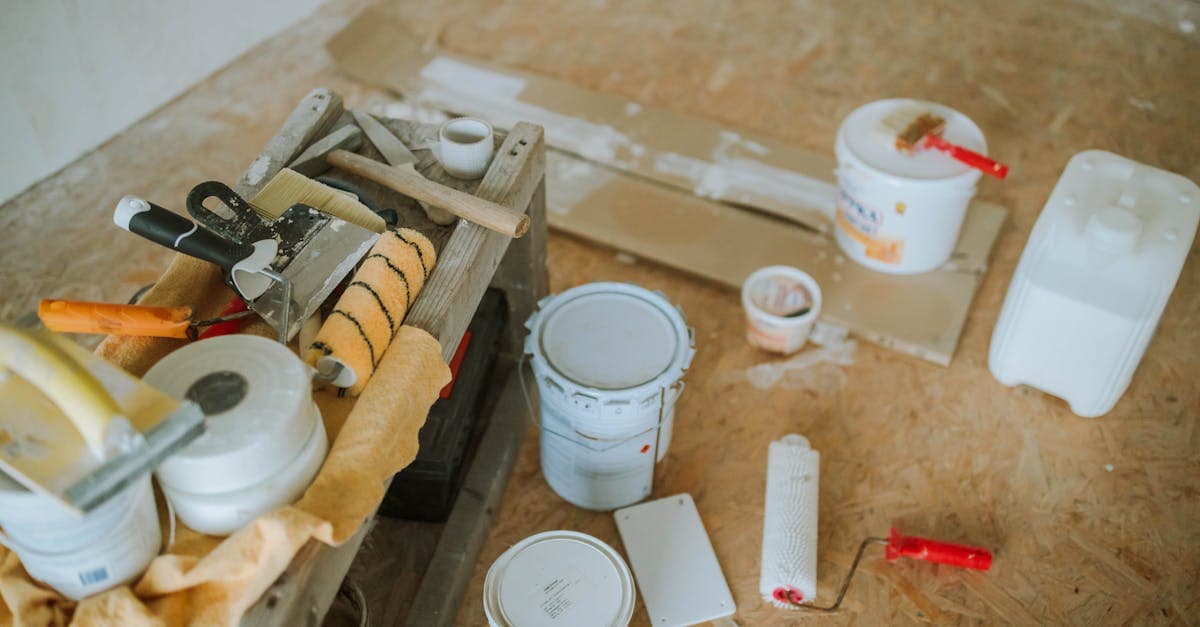
Let's talk about how the upgrades you make to your home can change your insurance picture — from premium discounts for security systems to coverage increases for that beautiful new kitchen. Your insurance policy should function as the updated map that recalculates your insurance route every time a home upgrade changes the terrain of your replacement cost and liability exposure. Every time you improve your home — whether it is a new roof, a kitchen remodel, a room addition, or a pool installation — your home's replacement cost changes, your liability exposure may change, and your coverage needs shift.
The threat is the outdated map that leads homeowners into underinsurance territory because their coverage never adjusted for the improvements that changed their home's rebuilding cost. Homeowners spend thousands or tens of thousands on improvements, then never update their insurance to reflect the higher replacement cost. When a fire or storm damages the upgraded home, the insurer pays based on the old replacement cost estimate — and the homeowner absorbs the gap.
Home upgrades affect insurance in three main ways. First, upgrades that add value or square footage increase replacement cost and require a dwelling coverage limit increase. Second, upgrades that add risk — pools, trampolines, hot tubs — increase liability exposure and may increase premiums. Third, upgrades that reduce risk — new roofs, security systems, impact-resistant windows — may qualify for premium discounts.
Understanding these dynamics ensures every dollar you invest in your home is protected by adequate insurance and that every risk-reducing improvement earns the premium savings it deserves.
Documenting Home Upgrades for Insurance Purposes
Here is the thing though — Proper documentation of home upgrades strengthens your insurance position by supporting accurate replacement cost calculations and speeding up the claims process if your improved home is damaged.
Receipts and invoices: Keep every receipt and contractor invoice for home improvement projects. These documents establish the cost of each upgrade and provide the evidence your insurer needs to verify replacement cost increases.
Before and after photographs: Photograph each project before work begins and after completion. These photos document the scope of the improvement and the quality of materials and finishes installed. In a claim, they demonstrate what existed before the damage occurred.
Contractor documentation: Keep contractor agreements, scope of work documents, and completion certificates. These records establish that work was done professionally and to code, which supports both your coverage position and your claim credibility.
Permit records: If your renovation required building permits, keep copies of the permits and final inspection certificates. Permitted work demonstrates code compliance, which insurers value when assessing risk and processing claims.
Maintain a home improvement log: Create a simple document that lists every improvement by date, description, cost, and contractor name. Update this log after each project and share it with your insurance agent at annual reviews. This running record ensures no improvement is forgotten or unreported.
Digital backup: Store all documentation digitally — cloud storage or a dedicated email folder — so it survives if physical copies are destroyed in a loss. Having your improvement documentation accessible after a disaster when your home files may be gone is essential for the claims process.
Mechanical and System Upgrades: How They Affect Your Coverage
Here is the thing though — Upgrading your home's mechanical systems — electrical, plumbing, HVAC, and water heating — affects insurance in ways that are often overlooked. These upgrades change both replacement cost and risk profile, creating both coverage needs and discount opportunities.
Electrical system upgrade: Replacing old wiring, upgrading from a fuse box to a circuit breaker panel, and increasing electrical capacity are among the most insurance-friendly upgrades. Outdated electrical systems are a leading cause of house fires, and modernization reduces this risk significantly. Some insurers require electrical updates before writing policies on older homes.
Plumbing system upgrade: Replacing galvanized steel or polybutylene pipes with copper or PEX reduces burst pipe and water damage risk. Adding a whole-house water shutoff valve with leak detection provides additional protection and may qualify for premium credits.
HVAC replacement: A new furnace, air conditioner, or heat pump replaces aging equipment that could cause fire or water damage. Modern systems with better efficiency and safety features improve your risk profile. The new system's replacement cost should be reflected in your dwelling coverage.
Water heater upgrade: Replacing a traditional tank water heater with a tankless model eliminates the risk of catastrophic tank failure that can release 40 to 80 gallons of water into your home. Some insurers recognize this risk reduction with premium credits.
Whole-house generator: A permanently installed generator with an automatic transfer switch protects your home during extended power outages. It prevents frozen pipe damage in winter and food spoilage, reducing potential claim costs. The generator itself adds to replacement cost as a permanently installed system.
Solar panel installation: Rooftop solar panels add $15,000 to $30,000 or more in replacement cost. Some insurers offer green energy discounts while others view the roof-mounted equipment as additional risk. Notify your insurer before installation to understand coverage implications.
Insurance Coverage During the Renovation Process
Now, this is where it gets interesting. The renovation period itself creates insurance considerations that many homeowners overlook. While your home is under construction, it faces elevated risks that your standard policy may not fully address.
Standard policy during renovation: Your homeowners policy remains in effect during renovations, but certain construction activities may introduce risks not contemplated by a standard policy. Open walls, exposed wiring, and construction materials on site create hazards that did not exist before the project.
Builder's risk coverage: For major renovations — particularly additions, second stories, and whole-house remodels — your agent may recommend a builder's risk policy or endorsement. This coverage protects the construction work in progress from damage during the renovation period.
Contractor insurance requirements: Verify that your contractor carries their own liability insurance and workers' compensation coverage. If a contractor's employee is injured on your property and the contractor does not carry workers' comp, the claim may fall to your homeowners liability coverage.
Vacancy and occupancy concerns: If you vacate your home during a major renovation, your policy's vacancy clause may apply. Many policies restrict coverage after a home is vacant for 30 to 60 days. Discuss extended vacancy with your agent if you plan to live elsewhere during construction.
Theft during renovation: Open structures, unlocked areas, and visible construction materials can attract theft. Your homeowners policy covers theft, but construction materials owned by the contractor may not be covered under your policy — they are the contractor's responsibility.
Updating coverage during the project: For lengthy renovations, consider updating your dwelling coverage limit partway through the project as significant milestones are completed. This ensures coverage keeps pace with the increasing replacement cost as work progresses.
Roof and Exterior Upgrades: Premium Impact and Coverage Changes
Here is the thing though — Exterior upgrades — particularly roofing — have the most direct impact on insurance premiums because they affect the components most frequently damaged by covered perils. Understanding the insurance implications of exterior work helps you maximize both protection and savings.
Roof replacement: A new roof resets the age clock that many insurers use for pricing and coverage decisions. Policies that limit older roofs to actual cash value may provide full replacement cost for new roofs. The premium impact depends on the new material, with architectural shingles, metal, tile, and impact-resistant options each carrying different pricing.
Roof material upgrades: Upgrading from three-tab asphalt shingles to architectural shingles, metal, tile, or slate changes both replacement cost and risk profile. Metal and tile roofs cost more to replace but last longer and resist damage better, often qualifying for premium discounts.
Siding replacement: New siding affects replacement cost based on the material chosen. Fiber cement, engineered wood, and stone veneer cost more to install and replace than vinyl but offer better durability and fire resistance.
Window replacement: Energy-efficient and impact-resistant windows can earn premium discounts while increasing replacement cost. In hurricane zones, impact-rated windows and doors qualify for significant wind mitigation credits.
Exterior painting and stucco: While basic repainting does not significantly affect coverage, replacing stucco, adding stone veneer, or upgrading exterior finishes increases replacement cost and should be reflected in your coverage.
Garage door replacement: In wind-prone areas, a wind-rated garage door earns premium discounts because the garage door is often the weak point during high winds. Upgrading to a reinforced door reduces the risk of structural failure during storms.
Home Upgrades That Improve Insurance for Older Homes
Now, this is where it gets interesting. Older homes — particularly those built before 1980 — face unique insurance challenges including higher premiums, coverage restrictions, and reduced insurer options. Targeted upgrades address these challenges by modernizing the systems insurers are most concerned about.
Electrical modernization: Homes with knob-and-tube wiring, aluminum wiring, or fuse boxes may face coverage restrictions or significant premium surcharges. Upgrading to a modern circuit breaker panel with copper wiring removes one of the biggest insurance concerns for older homes.
Plumbing replacement: Homes with galvanized steel or polybutylene pipes face higher water damage risk. Replacing outdated plumbing with copper or PEX removes the elevated risk and may reduce premiums or remove coverage surcharges.
Heating system upgrade: Older furnaces, boilers, and heating oil systems carry higher fire and malfunction risk. Replacing them with modern high-efficiency systems reduces claims risk and may lower premiums. Removing oil tanks eliminates an environmental liability.
Roof replacement: An old roof is the most common reason for premium surcharges or coverage restrictions on older homes. A new roof immediately improves insurability and typically earns the largest single premium discount available.
Foundation repairs: While foundation settling is excluded from coverage, addressing foundation issues improves your home's structural integrity and insurability. Insurers may decline coverage for homes with significant structural deficiencies.
The four-point inspection: Many insurers require a four-point inspection for homes over 25 to 30 years old, examining electrical, plumbing, HVAC, and roofing. Upgrading these four systems before the inspection yields the best insurability outcome.
Combined impact: Upgrading all major systems simultaneously can transform an older home from a difficult-to-insure property into a preferred risk. The combined premium impact of electrical, plumbing, HVAC, and roof modernization can be substantial.
Kitchen and Bathroom Upgrades: The Most Common Insurance-Affecting Renovations
Now, this is where it gets interesting. Kitchen and bathroom remodels are the most frequently completed home improvement projects in the United States, and they are among the most impactful for insurance purposes. Understanding their specific effects helps you manage coverage through these common renovations.
Custom cabinetry: Custom-built cabinets cost three to ten times more than stock cabinets. When custom cabinetry replaces builder-grade cabinets, the replacement cost of the kitchen jumps significantly. Standard replacement cost estimators may not fully capture custom cabinet values.
Premium countertops: Granite, quartz, marble, and specialty surfaces cost $50 to $200 or more per square foot installed, compared to $10 to $30 for laminate. A kitchen with 40 square feet of premium countertop adds $2,000 to $8,000 in replacement cost over laminate.
High-end appliances: Professional-grade ranges, built-in refrigerators, wine coolers, and premium dishwashers can cost two to five times more than standard appliances. Built-in appliances are part of the dwelling structure and affect your Coverage A calculation.
Tile and stone work: Premium tile in kitchens and bathrooms — marble, porcelain, natural stone — costs more to install and replace than standard options. Heated tile floors add both the flooring cost and the heating system cost to replacement calculations.
Fixture upgrades: Designer faucets, premium light fixtures, and specialty hardware may seem like small items, but they collectively add thousands to replacement cost. A bathroom with $3,000 in premium fixtures versus $500 in builder-grade fixtures has a measurably higher replacement cost.
When to notify your agent: Report any kitchen or bathroom renovation that exceeds $5,000 in total cost. Provide your agent with the scope of work and approximate cost so they can adjust your dwelling coverage limit appropriately.
When to Notify Your Insurance Agent About Home Upgrades
Here is the thing though — Not every upgrade requires immediate notification, but knowing which ones do prevents coverage gaps and ensures timely discount application. Use these guidelines to determine when to contact your agent.
Notify immediately for these upgrades: Room additions, finished basements, swimming pools, hot tubs, kitchen remodels over $10,000, bathroom remodels over $5,000, new roofs, solar panel installations, and any change that adds square footage or introduces new liability exposure. These upgrades have immediate insurance implications.
Notify before starting these projects: Major structural changes, second-story additions, and commercial-use conversions should be discussed with your agent before construction begins. Your current policy may need a construction period endorsement, and the final coverage changes should be planned in advance.
Notify at your next renewal for these upgrades: Minor finish upgrades, appliance replacements, small fixture changes, and cosmetic improvements can typically wait until your next renewal for coverage adjustment. However, if several minor upgrades accumulate to a significant amount, earlier notification is prudent.
Notify to claim discounts for these upgrades: New roofs, security systems, electrical updates, plumbing updates, impact-resistant windows, storm shutters, and smart home devices should be reported promptly to trigger premium credits. Delaying notification delays your savings.
When in doubt, call your agent: If you are unsure whether an upgrade affects your insurance, a quick call to your agent clarifies the situation. Agents prefer proactive communication over discovering unreported improvements during a claim.
Keep a renovation log: Maintain a simple document that lists every upgrade by date, description, and cost. Share this log with your agent at each annual review to ensure your coverage reflects your home's current state.
What the Numbers Tell Us About Home Upgrades and Insurance
The financial case for keeping insurance current with home improvements is overwhelming. The average homeowner with unreported renovations is underinsured by $30,000 to $80,000. The premium cost of closing this gap is typically $100 to $300 per year. The out-of-pocket cost of the gap during a major claim is the full unreported amount.
On the discount side, a new roof saves 5 to 25 percent. A security system saves 5 to 20 percent. Impact-resistant features save 5 to 15 percent in wind-prone areas. These savings compound annually and can offset a significant portion of the upgrade cost over time.
The math is simple: the cost of keeping your insurance current with your improvements is always a fraction of the exposure that unreported renovations create. And the discounts available for risk-reducing upgrades are free money that you forfeit by not reporting them.
Track your improvements, report them to your insurer, and claim every discount you have earned.
Continue reading

The Hidden Exclusions That Make Cheap Insurance Quotes Dangerous
Budget insurance quotes often achieve low prices by excluding coverages that standard policies include. Identifying these hidden exclusions before you buy prevents devastating coverage gaps when you need protection most.

Policy Checkup Checklist: Every Item to Review During Your Annual Review
This comprehensive checklist covers every coverage, limit, deductible, endorsement, discount, and beneficiary designation you should review during your annual policy checkup.

How to Protect Yourself Before Signing an Assignment of Benefits
Before signing any AOB, get a written estimate, verify the contractor is licensed, understand the scope of work, and know your right to rescind. These steps protect your interests.