Tree Blocking Your Driveway: Does Insurance Cover Removal?

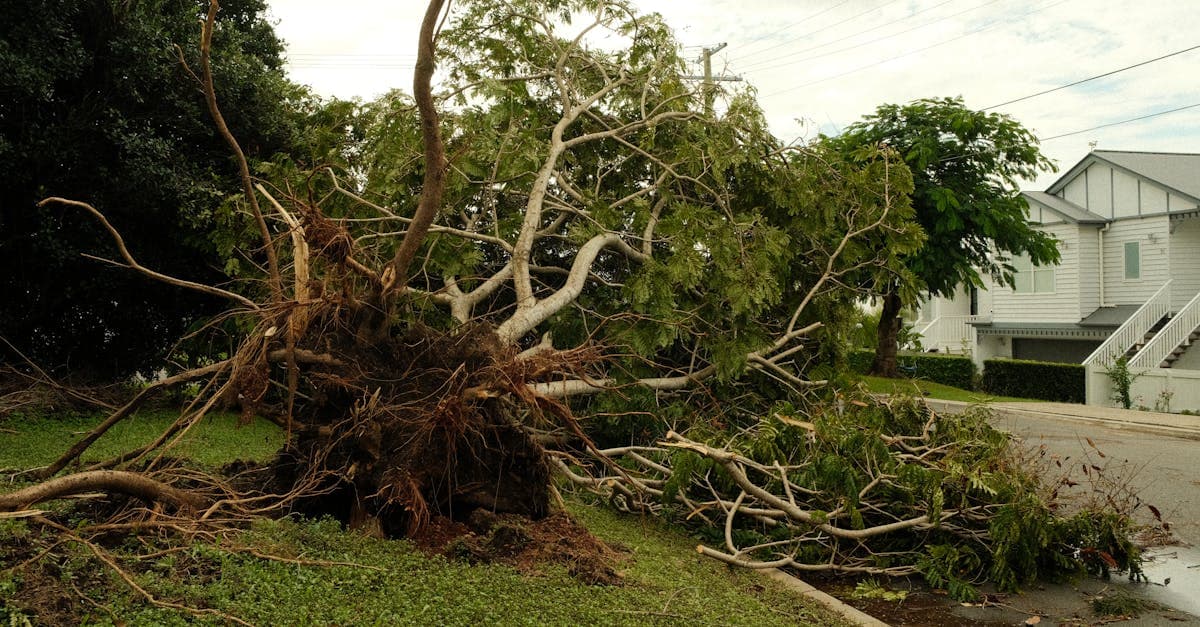
Let's talk about what happens to your insurance coverage when a tree comes crashing down on your property. Your homeowners insurance is the compass that guides you through the tangled aftermath when trees crash down on your property. It covers damage from fallen trees, but the coverage is spread across multiple parts of your policy and comes with specific limits that many homeowners do not understand until they file a claim.
Think of fallen trees as the towering hazards that line every yard and can fall without warning onto anything below. Every tree near your home is a potential source of damage — storms, disease, root failure, and ice loads can bring even healthy trees down without warning. When a tree falls, the damage it causes may involve your dwelling coverage, other structures coverage, personal property coverage, and even liability coverage depending on what it hits and the circumstances of the fall.
The coverage is generally straightforward when a tree falls on your own home during a storm — your dwelling coverage pays for the structural repairs. But the picture gets more complicated quickly. Who pays for tree removal? What if the tree did not hit anything? What if it was your neighbor's tree? What if the tree was dead and you knew about it?
Understanding these scenarios before a tree falls prepares you to respond effectively and ensures you receive every dollar of coverage you are entitled to. The time to learn these rules is while the trees are still standing.
Temporary Housing After Tree Damage
Now, this is where it gets interesting. When a fallen tree causes sufficient damage to make your home uninhabitable, your policy's additional living expenses coverage provides financial support for temporary housing and related costs while repairs are completed.
When ALE applies to tree damage: If a tree crashes through your roof creating an opening that cannot be quickly secured, or if structural damage makes the home unsafe to occupy, ALE coverage activates. The key requirement is that the home is genuinely uninhabitable due to covered damage — not merely inconvenient.
What ALE covers: The additional costs of living elsewhere beyond your normal expenses are covered. Hotel or rental housing costs, restaurant meals above your normal food budget, laundry services, additional commuting costs, and storage for personal property removed from the damaged home are all eligible expenses.
Coverage limits and duration: ALE is typically limited to twenty percent of your dwelling coverage and has a time limit of twelve to twenty-four months. For tree damage, repairs usually take weeks to a few months — well within these limits. However, if multiple homes in your area were damaged simultaneously and contractor availability is limited, repair timelines can extend.
Documentation requirements: Keep detailed receipts for all additional expenses while displaced. The insurer compares your claimed expenses against your normal living costs to determine the covered difference. Without receipts, you cannot substantiate your additional expenses.
Coordinating with repairs: Stay in communication with both your insurer and your repair contractor about the expected repair timeline. If repairs will take longer than initially estimated, notify your insurer promptly to ensure ALE coverage continues without interruption.
Replacing Landscaping After Tree Damage
Here is the thing though — When fallen trees destroy landscaping, homeowners are often surprised by how little their insurance covers for replacement. Understanding landscaping limits before a loss helps you set realistic expectations and consider supplemental strategies.
Per-tree replacement limits: Most homeowners policies limit tree and shrub replacement to $500 per item. This flat limit applies whether the destroyed tree was a ten-dollar sapling or a hundred-year-old specimen oak. A mature ornamental tree that would cost $5,000 to $10,000 to replace with a comparable specimen receives only $500 under standard coverage.
Aggregate landscaping limits: Beyond the per-item cap, your policy typically limits total landscaping recovery to five or ten percent of your dwelling coverage. On a $300,000 home, that means $15,000 to $30,000 total for all landscaping damage — but the per-item limit of $500 makes this aggregate cap largely academic.
What qualifies as landscaping: Trees, shrubs, plants, and lawns damaged by covered events qualify within the stated limits. Landscaping must have been damaged by a covered peril such as fire, lightning, explosion, riot, aircraft, or vehicles. Notably, many policies exclude wind and hail from landscaping coverage, meaning storm-felled trees that destroy your garden may not trigger landscaping replacement coverage.
The reality gap: A homeowner with a beautifully landscaped property containing mature trees and extensive plantings faces a massive gap between replacement cost and insurance coverage. This gap is one of the least-discussed shortcomings of standard homeowners policies.
Practical approaches: Accept that insurance provides minimal landscaping replacement. Budget for landscaping recovery separately from insurance coverage. Consider replanting with smaller, less expensive specimens and allowing them to mature naturally. Focus insurance claims on structural and personal property damage where coverage is more robust.
Temporary Housing After Tree Damage
Now, this is where it gets interesting. When a fallen tree causes sufficient damage to make your home uninhabitable, your policy's additional living expenses coverage provides financial support for temporary housing and related costs while repairs are completed.
When ALE applies to tree damage: If a tree crashes through your roof creating an opening that cannot be quickly secured, or if structural damage makes the home unsafe to occupy, ALE coverage activates. The key requirement is that the home is genuinely uninhabitable due to covered damage — not merely inconvenient.
What ALE covers: The additional costs of living elsewhere beyond your normal expenses are covered. Hotel or rental housing costs, restaurant meals above your normal food budget, laundry services, additional commuting costs, and storage for personal property removed from the damaged home are all eligible expenses.
Coverage limits and duration: ALE is typically limited to twenty percent of your dwelling coverage and has a time limit of twelve to twenty-four months. For tree damage, repairs usually take weeks to a few months — well within these limits. However, if multiple homes in your area were damaged simultaneously and contractor availability is limited, repair timelines can extend.
Documentation requirements: Keep detailed receipts for all additional expenses while displaced. The insurer compares your claimed expenses against your normal living costs to determine the covered difference. Without receipts, you cannot substantiate your additional expenses.
Coordinating with repairs: Stay in communication with both your insurer and your repair contractor about the expected repair timeline. If repairs will take longer than initially estimated, notify your insurer promptly to ensure ALE coverage continues without interruption.
Tree Falls on Your Fence: Coverage and Claims
Now, this is where it gets interesting. Fences are among the most commonly damaged structures when trees fall. Your homeowners policy covers fence damage under other structures coverage — also called Coverage B — which provides protection separate from your dwelling coverage.
Other structures coverage basics: Coverage B typically equals ten percent of your dwelling coverage amount. On a $300,000 dwelling, that means $30,000 for all other structures combined — fences, sheds, detached garages, and other non-dwelling structures on your property.
Fence repair vs replacement: Your insurer covers the damaged fence sections. If the fallen tree destroyed a twenty-foot section of a two-hundred-foot fence, the insurer pays to repair or replace the twenty damaged feet. Whether they pay to match the undamaged sections depends on your policy language and state regulations regarding matching.
Material and style considerations: If your fence materials have been discontinued or are no longer available, the insurer must provide equivalent replacement. This may mean a slightly different style or material that serves the same function. If matching is impossible and your state requires uniform appearance, the insurer may need to replace a larger section.
Shared fence situations: Fences on property lines may be jointly owned or maintained under local regulations. When a tree falls on a shared fence, both property owners' policies may be involved. Clarify fence ownership with your neighbor and check local ordinances before filing the claim.
Deductible considerations: Your standard deductible applies to fence damage claims. If the fence repair cost is close to your deductible amount, filing the claim may not be worthwhile since the net benefit is small and the claim goes on your record. Calculate the repair cost minus your deductible before deciding whether to file.
Multiple Trees Down: Managing Complex Claims
Here is the thing though — Major storms can topple multiple trees simultaneously, creating complex claims that involve multiple coverage categories, multiple per-tree removal limits, and potentially multiple damaged structures. Understanding how to manage these complex situations helps you maximize your recovery.
Single event, one deductible: When one storm topples several trees, the entire event is typically treated as a single occurrence. Your deductible applies once to the overall claim, not separately to each tree or each damaged structure. This is a significant advantage when multiple trees cause damage.
Per-tree removal still applies: While your deductible applies once, the per-tree removal limit applies to each tree individually. If five trees fall and each has a $500 removal limit, your total tree removal coverage is $2,500 — regardless of actual removal costs.
Multiple damaged structures: If fallen trees damage your house, fence, shed, and detached garage in one storm, the claim involves both dwelling coverage and other structures coverage. Each coverage category has its own limits. The adjuster calculates damage separately for each coverage category but processes it as one claim event.
Prioritizing documentation: With multiple trees and multiple damage areas, systematic documentation is essential. Photograph each fallen tree, each damaged structure, and the connection between each tree and its damage. Label your photographs by tree number and damage area to keep the claim organized.
Coordinating removal and repair: When multiple trees need removal and multiple structures need repair, coordinate the sequence carefully. Tree removal from structures must happen before structural repairs begin. Prioritize removing trees that are creating ongoing damage — such as a tree on a breached roof allowing rain entry — over trees resting on outdoor structures.
Working with the adjuster: Request that the adjuster address each tree and each structure individually in the claim estimate. This transparency ensures that per-tree removal limits are applied correctly and that each structure's damage is assessed under the appropriate coverage category.
Tree Falls on Your Fence: Coverage and Claims
Now, this is where it gets interesting. Fences are among the most commonly damaged structures when trees fall. Your homeowners policy covers fence damage under other structures coverage — also called Coverage B — which provides protection separate from your dwelling coverage.
Other structures coverage basics: Coverage B typically equals ten percent of your dwelling coverage amount. On a $300,000 dwelling, that means $30,000 for all other structures combined — fences, sheds, detached garages, and other non-dwelling structures on your property.
Fence repair vs replacement: Your insurer covers the damaged fence sections. If the fallen tree destroyed a twenty-foot section of a two-hundred-foot fence, the insurer pays to repair or replace the twenty damaged feet. Whether they pay to match the undamaged sections depends on your policy language and state regulations regarding matching.
Material and style considerations: If your fence materials have been discontinued or are no longer available, the insurer must provide equivalent replacement. This may mean a slightly different style or material that serves the same function. If matching is impossible and your state requires uniform appearance, the insurer may need to replace a larger section.
Shared fence situations: Fences on property lines may be jointly owned or maintained under local regulations. When a tree falls on a shared fence, both property owners' policies may be involved. Clarify fence ownership with your neighbor and check local ordinances before filing the claim.
Deductible considerations: Your standard deductible applies to fence damage claims. If the fence repair cost is close to your deductible amount, filing the claim may not be worthwhile since the net benefit is small and the claim goes on your record. Calculate the repair cost minus your deductible before deciding whether to file.
Multiple Trees Down: Managing Complex Claims
Here is the thing though — Major storms can topple multiple trees simultaneously, creating complex claims that involve multiple coverage categories, multiple per-tree removal limits, and potentially multiple damaged structures. Understanding how to manage these complex situations helps you maximize your recovery.
Single event, one deductible: When one storm topples several trees, the entire event is typically treated as a single occurrence. Your deductible applies once to the overall claim, not separately to each tree or each damaged structure. This is a significant advantage when multiple trees cause damage.
Per-tree removal still applies: While your deductible applies once, the per-tree removal limit applies to each tree individually. If five trees fall and each has a $500 removal limit, your total tree removal coverage is $2,500 — regardless of actual removal costs.
Multiple damaged structures: If fallen trees damage your house, fence, shed, and detached garage in one storm, the claim involves both dwelling coverage and other structures coverage. Each coverage category has its own limits. The adjuster calculates damage separately for each coverage category but processes it as one claim event.
Prioritizing documentation: With multiple trees and multiple damage areas, systematic documentation is essential. Photograph each fallen tree, each damaged structure, and the connection between each tree and its damage. Label your photographs by tree number and damage area to keep the claim organized.
Coordinating removal and repair: When multiple trees need removal and multiple structures need repair, coordinate the sequence carefully. Tree removal from structures must happen before structural repairs begin. Prioritize removing trees that are creating ongoing damage — such as a tree on a breached roof allowing rain entry — over trees resting on outdoor structures.
Working with the adjuster: Request that the adjuster address each tree and each structure individually in the claim estimate. This transparency ensures that per-tree removal limits are applied correctly and that each structure's damage is assessed under the appropriate coverage category.
What the Numbers Tell Us About Fallen Tree Coverage
The data on fallen tree claims reveals both the value of coverage and its limitations. The average claim involving structural damage from a fallen tree exceeds $10,000, making this one of the most expensive common homeowners claims. Without insurance, these costs would be devastating for most homeowners.
At the same time, the numbers reveal gaps. Per-tree removal limits of $500 to $1,000 cover only a fraction of typical removal costs for large trees. Landscaping replacement limits of $500 per tree cover a fraction of mature tree replacement costs. These gaps are predictable and manageable — but only if you know about them in advance.
The cost of prevention is dramatically lower than the cost of claims. Professional tree inspection costs $150 to $500. Hazardous tree removal costs $500 to $2,000. Compare these figures to the $10,000-plus average claim, the deductible payment, the premium increase, and the stress and disruption of dealing with a major tree damage event.
The numbers make a clear case: invest in tree maintenance, understand your coverage limits, and prepare documentation before you need it. These modest investments protect you against a common and costly homeowners event.
Continue reading

The Hidden Exclusions That Make Cheap Insurance Quotes Dangerous
Budget insurance quotes often achieve low prices by excluding coverages that standard policies include. Identifying these hidden exclusions before you buy prevents devastating coverage gaps when you need protection most.
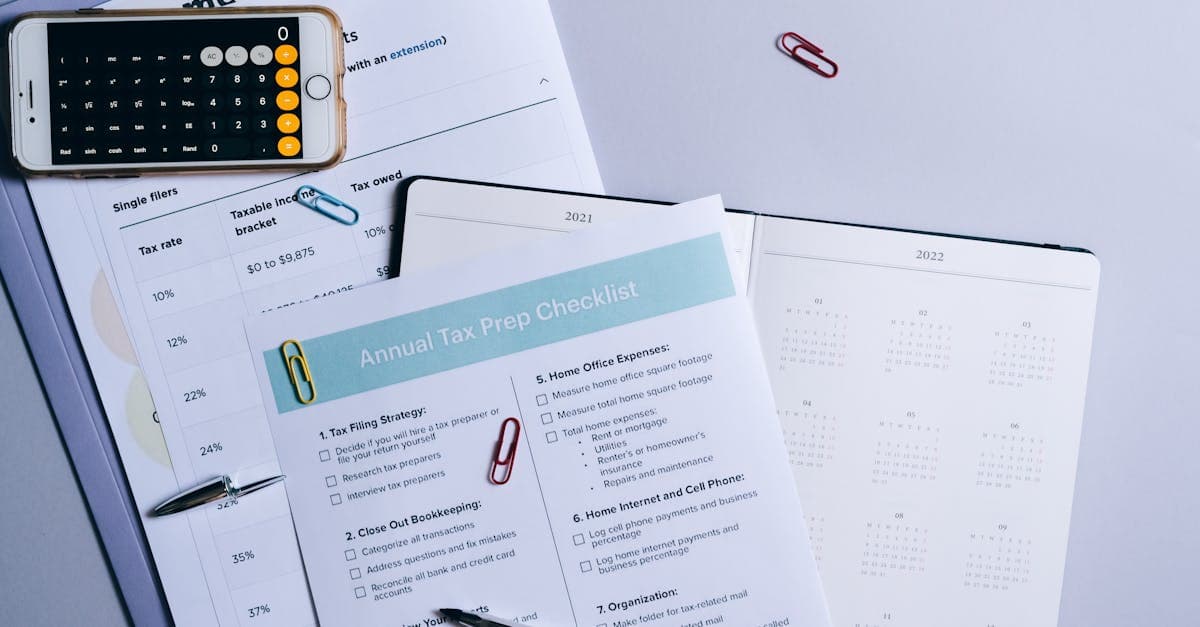
Policy Checkup Checklist: Every Item to Review During Your Annual Review
This comprehensive checklist covers every coverage, limit, deductible, endorsement, discount, and beneficiary designation you should review during your annual policy checkup.

How to Protect Yourself Before Signing an Assignment of Benefits
Before signing any AOB, get a written estimate, verify the contractor is licensed, understand the scope of work, and know your right to rescind. These steps protect your interests.