Documenting Your Loss of Use Claim: Receipts, Records, and Reimbursement


Let's talk about a part of your homeowners policy that you will be incredibly grateful for if you ever need it — loss of use coverage, also known as additional living expenses. Loss of use coverage is the compass that guides you to safe harbor when your home becomes uninhabitable. It reimburses the additional living expenses your household incurs when a covered peril — fire, wind, hail, water damage, or another insured event — makes your home uninhabitable.
Think of loss of use coverage as protection against the storm that forces you from your home and into uncharted financial waters. A kitchen fire damages the structure and fills the house with smoke. A burst pipe causes water damage requiring weeks of mold remediation. A fallen tree crashes through the roof during a storm. These events do not just damage your home — they displace your entire household.
This makes loss of use coverage fundamentally different from dwelling coverage, which pays to repair or rebuild your physical structure. Loss of use coverage addresses the daily financial impact of not being able to live in your home — hotel bills, increased food costs, additional commuting expenses, pet boarding, storage, and other costs that arise because you are displaced.
Most homeowners policies set loss of use coverage at 20 to 30 percent of your dwelling coverage amount. On a policy with $300,000 in dwelling coverage, that translates to $60,000 to $90,000 in available ALE benefits. Understanding how this coverage works before you need it ensures you can navigate displacement without draining your savings.
How ALE Coverage Handles Food and Meal Expenses
Now, this is where it gets interesting. Food is one of the largest ongoing expenses during displacement, and it is also one of the most misunderstood categories in ALE coverage. The key principle is that ALE pays only the additional food costs above your normal food spending — not your entire food bill.
The food cost calculation: If your household normally spends $800 per month on groceries and home-cooked meals, that $800 is your baseline. During displacement, if you spend $1,300 per month on restaurant meals and takeout because you have no kitchen, the ALE reimbursement for food is $500 per month — the amount above your normal spending.
Establishing your normal food costs: Insurers may ask for evidence of your pre-loss food spending. Bank statements showing grocery store purchases and credit card records provide this baseline. Having three to six months of pre-loss food spending documented strengthens your claim.
Restaurant meals vs groceries: If your temporary housing has a kitchen, insurers may question restaurant meal claims more closely. Having access to cooking facilities reduces the justification for full restaurant dining. However, if you lost all your cookware and pantry staples in the loss, the transition period to fully restocking a temporary kitchen is a legitimate reason for restaurant meals.
Reasonable meal costs: Insurers expect reasonable meal costs — not fine dining at every meal. Family-style restaurants, casual dining, and reasonable takeout orders are appropriate. If you eat at a premium restaurant, the insurer may reimburse only the cost of a comparable meal at a moderate restaurant.
Tips and delivery fees: Reasonable tips on restaurant meals and delivery fees are generally included in your reimbursable food costs. However, excessive tipping or premium delivery service fees may be questioned.
Grocery costs at temporary housing: If your temporary housing has a kitchen and you buy groceries, only the amount exceeding your normal grocery spending qualifies as additional. Higher grocery costs due to a more expensive neighborhood or the need to buy staples you already had at home are legitimate additional expenses.
Documenting Your ALE Claim: The Key to Full Reimbursement
Here is the thing though — Proper documentation is the single most important factor in maximizing your ALE reimbursement. Homeowners who maintain thorough records recover significantly more than those who rely on memory and incomplete receipts. Start documenting from the moment you are displaced.
Keep every receipt: Save receipts for hotel stays, meals, groceries, laundry, gas, storage, pet boarding, and every other expense related to your displacement. Digital photos of receipts work as backups, but keep the originals whenever possible. Organize receipts by category and date.
Establish your pre-loss baseline: The ALE calculation requires comparing displacement costs to normal living costs. Gather evidence of your pre-loss spending patterns — bank statements, credit card statements, utility bills, and grocery receipts from the months before the loss. This baseline documentation speeds up the reimbursement process.
Maintain a displacement diary: Record daily details about your displacement experience — where you stayed, what you spent, why certain expenses were necessary, and any conversations with your adjuster or contractor. This diary provides context that receipts alone cannot convey and can support your claim if specific expenses are questioned.
Track mileage: If your temporary housing increases your commute to work, school, medical appointments, or other regular destinations, track the additional mileage. Use a mileage tracking app or maintain a written log. The IRS standard mileage rate or actual gas costs can be used to calculate reimbursable transportation expenses.
Communicate in writing: Whenever possible, communicate with your insurance adjuster about your ALE claim in writing — email is ideal. Written records of approvals, questions, and agreements prevent misunderstandings and provide evidence if disputes arise later.
Submit claims regularly: Do not wait until you return home to submit all your ALE expenses at once. Submit expenses monthly or as your insurer requests. Regular submission speeds up reimbursement, identifies any issues early, and maintains clear communication with your adjuster.
How ALE Coverage Handles Food and Meal Expenses
Now, this is where it gets interesting. Food is one of the largest ongoing expenses during displacement, and it is also one of the most misunderstood categories in ALE coverage. The key principle is that ALE pays only the additional food costs above your normal food spending — not your entire food bill.
The food cost calculation: If your household normally spends $800 per month on groceries and home-cooked meals, that $800 is your baseline. During displacement, if you spend $1,300 per month on restaurant meals and takeout because you have no kitchen, the ALE reimbursement for food is $500 per month — the amount above your normal spending.
Establishing your normal food costs: Insurers may ask for evidence of your pre-loss food spending. Bank statements showing grocery store purchases and credit card records provide this baseline. Having three to six months of pre-loss food spending documented strengthens your claim.
Restaurant meals vs groceries: If your temporary housing has a kitchen, insurers may question restaurant meal claims more closely. Having access to cooking facilities reduces the justification for full restaurant dining. However, if you lost all your cookware and pantry staples in the loss, the transition period to fully restocking a temporary kitchen is a legitimate reason for restaurant meals.
Reasonable meal costs: Insurers expect reasonable meal costs — not fine dining at every meal. Family-style restaurants, casual dining, and reasonable takeout orders are appropriate. If you eat at a premium restaurant, the insurer may reimburse only the cost of a comparable meal at a moderate restaurant.
Tips and delivery fees: Reasonable tips on restaurant meals and delivery fees are generally included in your reimbursable food costs. However, excessive tipping or premium delivery service fees may be questioned.
Grocery costs at temporary housing: If your temporary housing has a kitchen and you buy groceries, only the amount exceeding your normal grocery spending qualifies as additional. Higher grocery costs due to a more expensive neighborhood or the need to buy staples you already had at home are legitimate additional expenses.
Loss of Use After Fire Damage: The Most Common Trigger
Now, this is where it gets interesting. Fire damage is the most frequent trigger for loss of use claims, and it typically generates the longest displacement periods. Understanding how ALE coverage responds to fire-related displacement helps you prepare for the most common scenario.
Immediate displacement: Fire damage usually requires immediate evacuation. Whether the fire was contained to one room or damaged multiple areas, smoke contamination typically makes the entire home uninhabitable. Your ALE coverage begins from the moment you are displaced — including that first night in a hotel.
The remediation timeline: Fire damage restoration follows a multi-phase process: emergency mitigation, smoke and soot cleanup, structural repairs, and interior finishing. Each phase has its own timeline, and delays in any phase extend the overall displacement period. A moderate fire that damages two rooms but smoke-contaminates the entire home typically requires eight to sixteen weeks of restoration work.
Smoke damage extension: Even when structural fire damage is limited, smoke damage can extend the uninhabitable period significantly. Smoke particles penetrate walls, insulation, HVAC systems, and soft furnishings. Professional smoke remediation involves air scrubbing, ozone treatment, surface cleaning, and sometimes replacement of contaminated materials — all of which take time.
Content pack-out and storage: Major fire restoration often requires a complete content pack-out — removing all your belongings for cleaning, restoration, or replacement. ALE coverage pays the storage costs during the pack-out period, which can last several months for significant fire losses.
Returning home: The transition back to your repaired home may be gradual. Final inspections, certificate of occupancy approvals, and content return all take time. ALE coverage typically continues until your home is genuinely habitable — not just structurally complete but actually livable with functioning utilities, clean air quality, and essential furnishings in place.
How Long ALE Coverage Lasts and Planning Your Displacement
Here is the thing though — Understanding the duration of your ALE coverage helps you plan your temporary living situation and manage your coverage limit effectively. The timeline is governed by a specific standard that balances your needs with the insurer's obligation.
The shortest reasonable time standard: ALE coverage lasts for the shortest reasonable time required to repair or replace your home. This standard means coverage continues as long as repairs are progressing at a reasonable pace — not the fastest possible pace, but a pace consistent with industry norms, contractor availability, and the complexity of the repairs.
Factors that affect the timeline: Several factors influence how long the reasonable repair period lasts. The extent of the damage, the availability of contractors, the time required for permits and inspections, material supply chains, weather conditions during reconstruction, and the complexity of required building code upgrades all affect the timeline.
Delays beyond your control: When repair delays result from factors beyond your control — contractor backlogs, material shortages, permit processing delays, weather — ALE coverage continues. Insurers understand that homeowners cannot control these external factors, and the reasonable repair period adjusts accordingly.
Delays within your control: If you delay repairs by failing to cooperate with the contractor, making excessive change orders, or unreasonably rejecting repair plans, the insurer may determine that the delay is your responsibility and stop ALE payments. The expectation is that you will cooperate with the repair process to minimize displacement duration.
Planning strategies: If your ALE coverage has a fixed limit rather than an actual loss sustained provision, plan your temporary housing costs to stretch across the expected displacement period. A less expensive rental that you can afford for six months is better than a hotel that exhausts your coverage in three months. Discuss the expected timeline with your contractor and adjuster early so you can budget accordingly.
Building code upgrades: If repairs trigger mandatory building code upgrades that extend the timeline, ALE coverage typically continues through the additional time required. Code upgrade work is not a voluntary delay — it is a legal requirement — and the reasonable repair period includes time for compliance.
Loss of Use After Fire Damage: The Most Common Trigger
Now, this is where it gets interesting. Fire damage is the most frequent trigger for loss of use claims, and it typically generates the longest displacement periods. Understanding how ALE coverage responds to fire-related displacement helps you prepare for the most common scenario.
Immediate displacement: Fire damage usually requires immediate evacuation. Whether the fire was contained to one room or damaged multiple areas, smoke contamination typically makes the entire home uninhabitable. Your ALE coverage begins from the moment you are displaced — including that first night in a hotel.
The remediation timeline: Fire damage restoration follows a multi-phase process: emergency mitigation, smoke and soot cleanup, structural repairs, and interior finishing. Each phase has its own timeline, and delays in any phase extend the overall displacement period. A moderate fire that damages two rooms but smoke-contaminates the entire home typically requires eight to sixteen weeks of restoration work.
Smoke damage extension: Even when structural fire damage is limited, smoke damage can extend the uninhabitable period significantly. Smoke particles penetrate walls, insulation, HVAC systems, and soft furnishings. Professional smoke remediation involves air scrubbing, ozone treatment, surface cleaning, and sometimes replacement of contaminated materials — all of which take time.
Content pack-out and storage: Major fire restoration often requires a complete content pack-out — removing all your belongings for cleaning, restoration, or replacement. ALE coverage pays the storage costs during the pack-out period, which can last several months for significant fire losses.
Returning home: The transition back to your repaired home may be gradual. Final inspections, certificate of occupancy approvals, and content return all take time. ALE coverage typically continues until your home is genuinely habitable — not just structurally complete but actually livable with functioning utilities, clean air quality, and essential furnishings in place.
How Long ALE Coverage Lasts and Planning Your Displacement
Here is the thing though — Understanding the duration of your ALE coverage helps you plan your temporary living situation and manage your coverage limit effectively. The timeline is governed by a specific standard that balances your needs with the insurer's obligation.
The shortest reasonable time standard: ALE coverage lasts for the shortest reasonable time required to repair or replace your home. This standard means coverage continues as long as repairs are progressing at a reasonable pace — not the fastest possible pace, but a pace consistent with industry norms, contractor availability, and the complexity of the repairs.
Factors that affect the timeline: Several factors influence how long the reasonable repair period lasts. The extent of the damage, the availability of contractors, the time required for permits and inspections, material supply chains, weather conditions during reconstruction, and the complexity of required building code upgrades all affect the timeline.
Delays beyond your control: When repair delays result from factors beyond your control — contractor backlogs, material shortages, permit processing delays, weather — ALE coverage continues. Insurers understand that homeowners cannot control these external factors, and the reasonable repair period adjusts accordingly.
Delays within your control: If you delay repairs by failing to cooperate with the contractor, making excessive change orders, or unreasonably rejecting repair plans, the insurer may determine that the delay is your responsibility and stop ALE payments. The expectation is that you will cooperate with the repair process to minimize displacement duration.
Planning strategies: If your ALE coverage has a fixed limit rather than an actual loss sustained provision, plan your temporary housing costs to stretch across the expected displacement period. A less expensive rental that you can afford for six months is better than a hotel that exhausts your coverage in three months. Discuss the expected timeline with your contractor and adjuster early so you can budget accordingly.
Building code upgrades: If repairs trigger mandatory building code upgrades that extend the timeline, ALE coverage typically continues through the additional time required. Code upgrade work is not a voluntary delay — it is a legal requirement — and the reasonable repair period includes time for compliance.
What the Numbers Tell Us About Loss of Use Coverage
The statistics paint a clear picture of why ALE coverage matters. Average displacement durations of three to six months. Monthly additional living expenses of $1,500 to $5,000 or more. Total displacement costs that frequently reach $10,000 to $30,000 for moderate claims and significantly more for major losses.
Meanwhile, the typical Coverage D limit of 20 to 30 percent of dwelling coverage provides $60,000 to $90,000 on a $300,000 policy. For most displacement scenarios, this amount is sufficient — but homeowners in high-cost markets, those with large families, or those facing major fire or storm damage may find their limits tested.
The data-driven approach is straightforward. Calculate your potential monthly displacement costs by pricing temporary housing in your area and estimating additional food, transportation, and other expenses. Compare that monthly cost to your Coverage D limit and determine how many months of displacement your coverage would support. If the answer is less than six months, consider increasing your limit.
The homeowners who fare best during displacement are not the ones who avoid claims — they are the ones who understand their coverage, document their expenses thoroughly, and manage their temporary living costs strategically within their policy limits.
Continue reading

The Hidden Exclusions That Make Cheap Insurance Quotes Dangerous
Budget insurance quotes often achieve low prices by excluding coverages that standard policies include. Identifying these hidden exclusions before you buy prevents devastating coverage gaps when you need protection most.
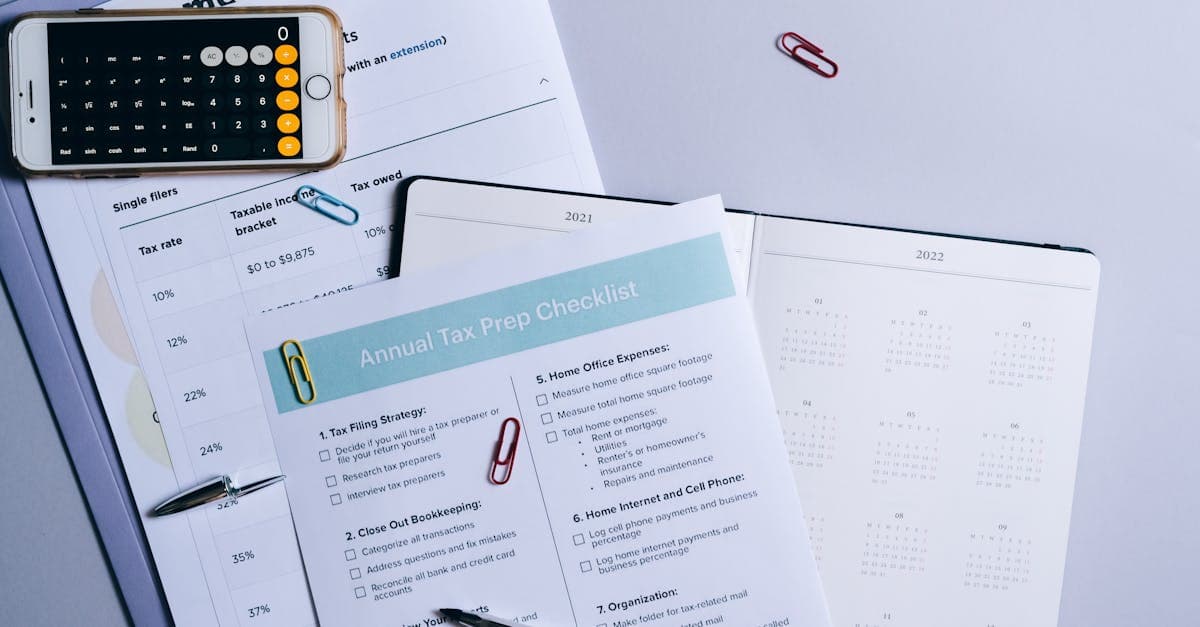
Policy Checkup Checklist: Every Item to Review During Your Annual Review
This comprehensive checklist covers every coverage, limit, deductible, endorsement, discount, and beneficiary designation you should review during your annual policy checkup.
How to Protect Yourself Before Signing an Assignment of Benefits
Before signing any AOB, get a written estimate, verify the contractor is licensed, understand the scope of work, and know your right to rescind. These steps protect your interests.