What Homeowners Insurance Does Not Cover for Plumbing

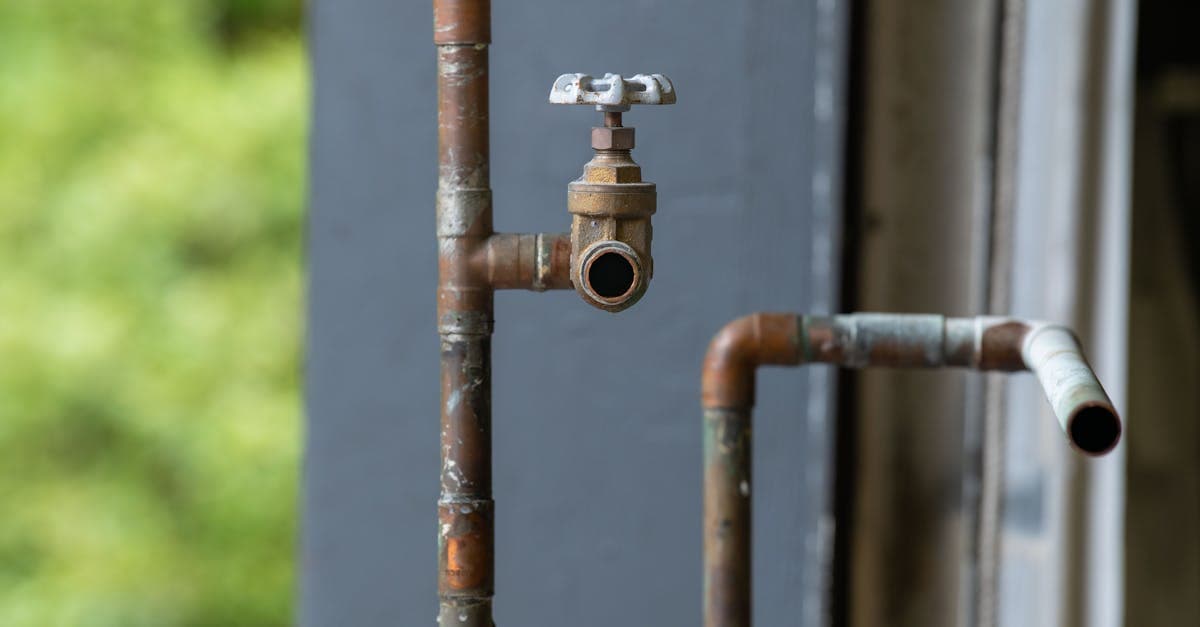
Let's talk about one of the most common and frustrating homeowner experiences — plumbing damage and what your insurance will actually cover. Your homeowners insurance policy is the emergency compass that guides you through the sudden flood of plumbing disasters. It covers damage to your home caused by sudden and accidental plumbing failures — but it draws sharp lines around what qualifies.
The core principle is straightforward: insurance covers the damage water causes, not the plumbing system that caused it. When a pipe bursts suddenly and floods your living room, insurance pays to repair the water-damaged floors, walls, and belongings. But it does not pay to replace the pipe itself, because the pipe's failure is considered a maintenance issue.
This distinction between cause and consequence is the hidden currents running beneath your floors that can surface without warning. It runs through every plumbing damage claim and determines whether your insurer writes a check or sends a denial letter.
The other critical dividing line is sudden versus gradual. A pipe that bursts overnight is a covered peril. A pipe that has been slowly dripping behind a wall for six months is not — because insurance covers sudden and accidental events, not ongoing maintenance failures you could have detected and repaired. Understanding these two principles — damage versus cause, and sudden versus gradual — gives you the framework to evaluate any plumbing situation against your coverage.
Plumbing Risks in Older Homes: What Insurance Expects
Here is the thing though — Homes with aging plumbing systems face the hidden currents running beneath your floors that can surface without warning that creates both higher failure risk and potentially more complex insurance considerations. Understanding how age affects your plumbing coverage helps you manage this risk proactively.
Common aging pipe materials: Homes built before 1960 may have galvanized steel supply pipes that corrode internally over decades. Homes from the 1970s through early 1990s may contain polybutylene supply pipes, which are prone to micro-fracturing. Older drain pipes may be cast iron, which eventually corrodes from the inside out. Each material has a different failure timeline and pattern.
Insurance implications of aging pipes: Having older pipes does not automatically void your coverage, but it increases scrutiny of claims. When a 60-year-old galvanized pipe fails, the insurer may investigate whether the failure was truly sudden or whether the pipe showed obvious signs of deterioration that should have prompted replacement.
Proactive inspection and documentation: Regular plumbing inspections in older homes create a maintenance record that supports future claims. Having a plumber document that your pipes are in serviceable condition — even if they are old — establishes a baseline that makes sudden failure claims more credible.
Repiping considerations: Some homeowners with aging plumbing choose to repipe their homes proactively. While insurance does not cover this preventive expense, repiping with modern materials reduces your failure risk, eliminates coverage concerns about aging pipes, and may positively affect your insurability.
Disclosure when buying or insuring: When purchasing an older home or renewing insurance, be transparent about known plumbing conditions. Some insurers restrict coverage for homes with certain pipe materials or require inspections before issuing policies. Understanding these requirements prevents coverage surprises.
Supply Line Failures: A Leading Cause of Water Damage Claims
Here is the thing though — Supply line connections to toilets, sinks, dishwashers, and washing machines are among the most frequent sources of plumbing damage claims in residential insurance. Understanding these failures is charting a course through the murky waters of plumbing damage coverage.
Why supply lines fail: Supply lines are flexible connectors that carry pressurized water from the plumbing system to individual fixtures and appliances. They are under constant pressure 24 hours a day, and they deteriorate over time. Rubber and polymer hoses are particularly prone to age-related failure, while braided stainless steel lines offer longer service life.
The sudden failure pattern: Most supply line failures occur without warning. The hose splits, the connector separates, or the fitting cracks, and pressurized water flows freely until someone discovers the problem and shuts off the supply. These sudden failures produce covered claims because they are accidental and unexpected.
Damage scope from supply lines: A failed supply line operating under household water pressure can release approximately 5 gallons per minute. If the failure occurs while no one is home — during work hours or during vacation — hundreds or thousands of gallons can flood the home before discovery. These extended-duration failures produce the most expensive claims.
Prevention through replacement: Industry experts recommend replacing rubber and polymer supply lines every five years and inspecting braided stainless steel lines annually. Replacing supply lines is inexpensive insurance against a common and costly failure. This preventive step both reduces your risk and demonstrates maintenance diligence that supports future claims.
Washing machine and dishwasher lines: The supply lines to these appliances are particularly high-risk because they carry hot water under pressure and are often installed in locations where failures cause maximum damage — laundry rooms on upper floors or kitchens with finished spaces below.
Appliance-Related Water Damage: Dishwashers, Washers, and More
Now, this is where it gets interesting. Water-using appliances are among the most common sources of plumbing damage claims. Each appliance presents unique failure risks, and the coverage determination depends on the nature and timing of the failure.
Washing machine failures: Washing machines can leak from supply line connections, internal hoses, pump failures, or door seal deterioration. Sudden hose ruptures and pump failures are typically covered. Gradual door seal leaks that have been dampening the floor for weeks may not be covered. The high water volume used per cycle makes washing machine failures particularly damaging.
Dishwasher leaks: Dishwasher failures include supply line ruptures, drain hose disconnections, door seal failures, and tub cracks. Sudden failures producing water flow during a cycle are generally covered. Door gasket leaks that have been slowly dripping are more likely to be classified as gradual and excluded.
Refrigerator water line failures: The thin plastic or copper water line running to your refrigerator's ice maker and water dispenser is a leading source of water damage claims. These lines operate under constant pressure and can fail at connections, develop cracks, or be damaged by movement. Sudden failures are covered, but lines that have been slowly weeping behind the refrigerator may face gradual damage exclusions.
Water softener and filtration systems: These systems add connection points and components to your plumbing that can develop leaks. Treatment for sudden failures mirrors other plumbing claims, but the specialized nature of these systems may require documentation about proper installation and maintenance.
Prevention for all appliances: Replace flexible supply lines on appliances every five years. Install water sensors near appliances that can alert you to leaks. Use automatic shutoff valves on washing machine supply lines. These steps reduce your claim risk and demonstrate the maintenance diligence that supports future claims.
Sewer Backup Coverage: The Critical Gap in Standard Policies
Here is the thing though — Standard homeowners insurance policies exclude sewer and drain backup damage. This exclusion is one of the most significant coverage gaps in residential insurance because sewer backups are common, destructive, and expensive to remediate.
Why sewer backup is excluded: Insurers exclude sewer backup from standard policies because the risk varies dramatically by property. Homes on older municipal sewer systems, in areas with combined storm and sanitary sewers, or in low-lying areas face much higher backup risks. Rather than pricing this risk into every policy, insurers offer it as an optional endorsement.
The sewer backup endorsement: Most insurers offer a sewer and drain backup endorsement for an additional annual premium, typically between $40 and $100. This endorsement covers damage to your home and belongings caused by water that backs up through sewers, drains, or sump pump failures. Coverage limits usually range from $5,000 to $25,000.
What the endorsement covers: Sewer backup coverage pays for cleanup and decontamination, damaged flooring and drywall, destroyed personal property, and the associated restoration costs. Given that the average sewer backup claim exceeds $10,000, this affordable endorsement provides essential protection.
Sewer backup vs flooding: Insurance distinguishes between sewer backup — water entering through drains from below — and flooding, which is surface water entering from outside. Flood damage requires separate flood insurance. If heavy rain causes both sewer backup and surface flooding simultaneously, the claims may involve both your sewer backup endorsement and your flood policy.
Sump pump failure: If your sump pump fails and water backs up into your basement, this is typically treated as a sewer or water backup event covered by the endorsement, not by your standard policy. Adding a battery backup sump pump provides both physical protection and supports your claim by demonstrating reasonable maintenance.
What Homeowners Insurance Does Not Cover for Plumbing
Now, this is where it gets interesting. Understanding plumbing exclusions is just as important as understanding covered perils. These exclusions define the boundaries of your coverage and identify gaps you may want to fill with endorsements or preventive maintenance.
Gradual deterioration: Pipes that corrode slowly, joints that weep over time, and fixtures that develop slow leaks are excluded as maintenance responsibilities. The insurer considers these failures preventable through reasonable homeowner attention and upkeep.
The plumbing system itself: Standard policies cover damage caused by plumbing failures but not the cost of repairing or replacing the failed plumbing. A burst pipe creates a covered water damage claim, but the plumber's bill to replace the pipe is your expense. This cause-versus-damage distinction applies to all plumbing components.
Sewer and drain backup: Without a separate endorsement, sewer and drain backup damage is excluded. This includes water entering your home through floor drains, toilets backing up due to sewer line blockage, and sump pump overflow.
Flood damage: Water entering your home from outside — rising groundwater, surface runoff, or overflow from bodies of water — is flood damage that requires separate flood insurance. Even if the external water enters through your plumbing system, it is classified as flood damage if the source is external surface water.
Negligence and deferred maintenance: If the insurer determines that you neglected obvious maintenance needs — ignored persistent leaks, failed to winterize during cold weather, or knew about plumbing problems and delayed repairs — the resulting damage may be excluded. Your policy requires you to maintain your home in reasonable condition.
Wear and tear: The natural aging of plumbing materials — corrosion, mineral buildup, gasket deterioration — is excluded. While these processes eventually cause failures, the deterioration itself is not a covered event. Only the sudden consequences of that deterioration may qualify for coverage.
Water Heater Failures and Insurance Coverage
Now, this is where it gets interesting. Water heater failures represent the hidden currents running beneath your floors that can surface without warning because every tank-style water heater will eventually fail, and the resulting water damage can be catastrophic. Understanding how insurance handles these common claims helps you prepare.
Tank rupture coverage: When a water heater tank splits or develops a major leak, the resulting water damage is a covered peril under your homeowners policy. Water heaters hold 40 to 80 gallons, and a tank failure can release hundreds of gallons over hours if undetected. The water damage to surrounding floors, walls, and any personal property is covered.
The heater itself is not covered: Your policy covers the damage the failed water heater caused but does not pay to replace the water heater. The heater is considered the cause of loss, and replacing it is a maintenance expense. Some home warranty plans cover water heater replacement separately.
Age and maintenance considerations: Water heaters typically last 8 to 12 years. If your heater fails well beyond its expected lifespan and the insurer determines that age-related corrosion was evident and ignored, they may argue the damage was foreseeable and therefore not sudden and accidental. Regular maintenance including flushing sediment and inspecting the anode rod supports your position that the failure was unexpected.
Location matters for damage scope: Water heaters installed on upper floors or in attics can cause dramatically more damage than those in basements or utility closets. Water flowing down through multiple levels of a home creates cascading damage that significantly increases claim costs. Consider the placement of your water heater when evaluating your coverage adequacy.
Tankless water heater differences: Tankless units do not store water, so catastrophic tank failures are not a risk. However, connection failures, valve malfunctions, and fitting leaks can still cause water damage that qualifies as a covered comprehensive claim under your homeowners policy.
Filing a Plumbing Damage Claim: How to Maximize Your Recovery
Here is the thing though — The steps you take in the first hours and days after discovering plumbing damage significantly affect your claim outcome. Following a structured approach protects both your home and your insurance recovery.
Step one — stop the water: Locate and close the nearest shutoff valve or the main water shutoff. Every minute of continued water flow increases damage and potentially weakens your claim by suggesting inadequate mitigation. Know where your shutoff valves are before an emergency occurs.
Step two — document before cleanup: Photograph and video record all damage before beginning any cleanup or water extraction. Capture the source of the leak, the water flow pattern, the extent of water spread, and close-ups of damaged materials. This documentation establishes the loss as-found and prevents disputes about damage extent.
Step three — mitigate further damage: Your policy requires you to prevent additional damage. Remove standing water, move salvageable belongings to dry areas, and begin drying wet surfaces. Keep damaged items until the adjuster has seen them or given you permission to dispose of them.
Step four — call your insurer: Report the claim promptly — most policies require timely notice. Provide basic facts about what happened, when you discovered it, and what steps you have taken. Ask about next steps including whether to begin professional water extraction or wait for the adjuster.
Step five — get a plumber's assessment: Have a licensed plumber inspect the failure point and provide a written assessment of what failed and why. The plumber's professional opinion about whether the failure was sudden or gradual can support your claim determination. Keep the plumber's report for your claim file.
What the Numbers Tell Us About Plumbing Damage Claims
The statistics on plumbing damage tell a clear story. Average claim costs exceeding $11,000, supply line failures causing over $10 billion in annual damage, and frozen pipe claims averaging $20,000 — these are not rare events, they are common homeowner experiences.
The data also reveals that many plumbing claims are preventable. Regular supply line replacement, proper winterization, and prompt attention to minor leaks eliminate a significant percentage of potential claims. Prevention is both cheaper and less disruptive than filing claims and managing restoration.
For the claims that do occur, the data shows that documentation quality and response speed are the two factors most correlated with favorable claim outcomes. Homeowners who document thoroughly and respond quickly receive higher settlements and fewer denials than those who delay or document poorly.
The data-driven approach to plumbing coverage is straightforward. Carry adequate coverage including sewer backup endorsement. Maintain your plumbing proactively. Respond to failures immediately. Document everything thoroughly. This evidence-based approach maximizes both prevention and recovery.
Continue reading

The Hidden Exclusions That Make Cheap Insurance Quotes Dangerous
Budget insurance quotes often achieve low prices by excluding coverages that standard policies include. Identifying these hidden exclusions before you buy prevents devastating coverage gaps when you need protection most.
Policy Checkup Checklist: Every Item to Review During Your Annual Review
This comprehensive checklist covers every coverage, limit, deductible, endorsement, discount, and beneficiary designation you should review during your annual policy checkup.
How to Protect Yourself Before Signing an Assignment of Benefits
Before signing any AOB, get a written estimate, verify the contractor is licensed, understand the scope of work, and know your right to rescind. These steps protect your interests.