How Insurance Adjusters Evaluate Roof Leak Claims

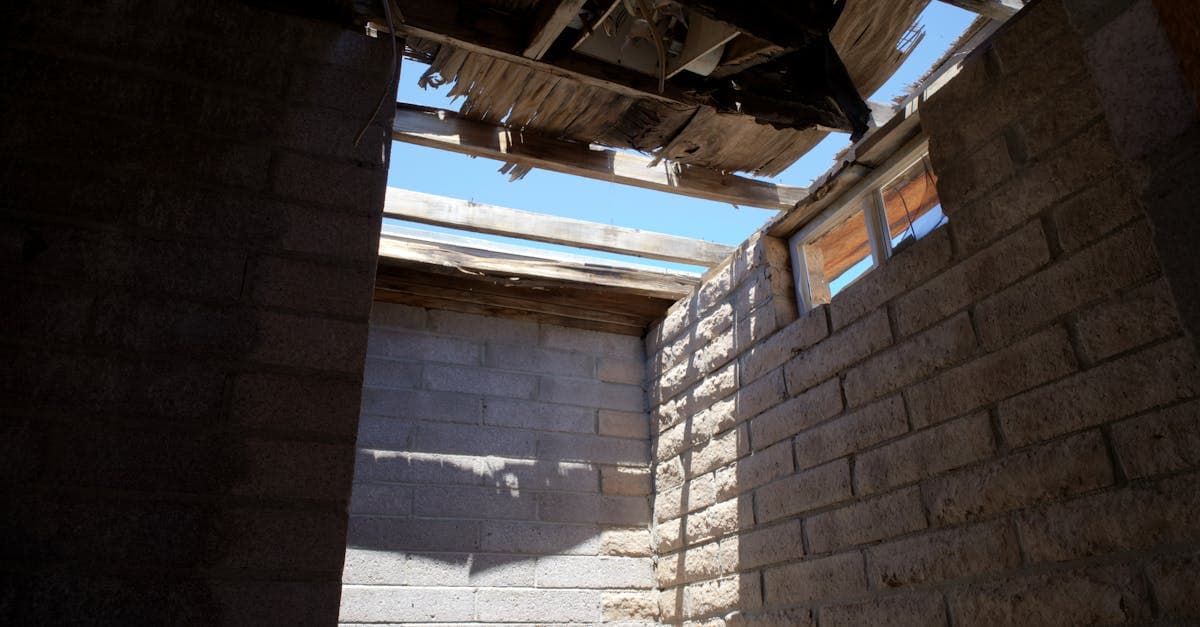
Let's talk about one of the most common and confusing homeowners insurance questions — whether your policy actually covers that roof leak dripping into your living room. Homeowners insurance is the navigational chart that steers homeowners away from the hidden reefs of roof damage and toward the safe harbor of covered repairs. The fundamental principle governing roof leak coverage is the distinction between sudden, accidental damage from covered perils and gradual deterioration from aging, wear, or neglect. This single distinction determines the outcome of the vast majority of roof leak claims.
When a windstorm rips shingles from your roof and rain pours through the opening, your homeowners insurance covers both the roof repair and the interior water damage. When hail cracks your roofing material and water seeps in during the next rainfall, coverage applies. When a tree limb crashes through your roof during a storm, your policy pays. These are sudden, accidental events caused by covered perils — exactly the kind of damage homeowners insurance is designed to handle.
But when your roof leaks because shingles have deteriorated over fifteen years of sun exposure, your claim will be denied. When flashing around your chimney gradually separates and allows water entry over months or years, your insurer will classify it as a maintenance failure. When poor attic ventilation causes condensation that rots your roof deck, the damage is excluded because it resulted from a condition you were expected to address.
The challenge for homeowners is that many roof leaks involve elements of both sudden damage and gradual wear, creating the foggy channel where homeowners drift blindly until a roof leak reveals they have been sailing without adequate coverage. A storm may be the final event that causes a leak, but the insurer may argue that the roof was already compromised by age or neglect. Understanding how insurers evaluate these overlapping causes — and how to document your roof's condition — is essential for successfully navigating roof leak claims. This guide breaks down every scenario, every coverage rule, and every strategy for protecting your claim.
Cosmetic vs Functional Roof Damage: The Coverage Distinction
Here is the thing though — An increasingly common provision excludes cosmetic roof damage while covering only functional damage, and this distinction is the foggy channel where homeowners drift blindly until a roof leak reveals they have been sailing without adequate coverage. Whether your policy contains this exclusion affects hail and impact claims significantly.
Defining cosmetic damage: Cosmetic roof damage includes dents, marks, scratches, and discoloration that affect the roof's appearance but do not impair its ability to prevent water entry. Hail that dents a metal roof without puncturing it, or debris that scuffs shingles without cracking them, may be classified as cosmetic damage under these provisions.
Defining functional damage: Functional damage impairs the roof's ability to keep water out. Cracked shingles, punctured membranes, broken tiles, and compromised flashing all constitute functional damage because they create or are likely to create pathways for water entry into your home.
The exclusion in practice: Policies with cosmetic damage exclusions will deny claims for roof dents and marks that do not affect waterproofing function. A hailstorm that dents every metal panel on your roof without creating actual leaks may receive zero coverage under a cosmetic exclusion. The financial impact can be enormous for expensive metal, tile, and slate roofing.
The inspection challenge: Determining whether hail damage to a shingle roof is cosmetic or functional often requires professional assessment. Hail can fracture the internal structure of shingles without immediately visible cracking, creating vulnerabilities that lead to leaks months later when exposed to rain.
Policy shopping considerations: Not all policies contain cosmetic damage exclusions, and accepting this exclusion can significantly reduce your premium. Before accepting one, evaluate your roof material and your area's hail risk to determine whether the premium savings justify the potential coverage reduction.
Filing a Roof Leak Insurance Claim: Step by Step
Here is the thing though — Filing correctly from the start improves your settlement chances, and following the right process is charting a precise course through roof coverage rules so every leak scenario has a mapped path to financial recovery. Each step builds a defensible claim that resists payout reductions.
Step one — mitigate further damage: Cover the roof opening with a tarp, place buckets under active leaks, move furniture and belongings away from water, and extract standing water if possible. Photograph everything before and after temporary repairs. Keep all receipts for materials and services — these mitigation costs are typically reimbursable as part of your claim.
Step two — document thoroughly: Photograph exterior roof damage from multiple angles with close-ups of missing shingles, cracked materials, and visible impact marks. Photograph all interior damage including water stains, wet flooring, and damaged personal property. Video walk-throughs of the affected areas provide compelling supporting evidence.
Step three — file promptly: Contact your insurer as soon as practical after discovering the damage. Most policies require prompt reporting, and delayed claims give insurers grounds to question whether the damage was caused by the reported event. Note your claim number, assigned adjuster, and all conversation details and dates.
Step four — prepare for the adjuster: Be present during the adjuster's inspection of your roof and interior damage. Point out all damage areas including those they might miss. Provide your documentation, maintenance records, and any professional inspection reports establishing your roof's condition before the damage occurred.
Step five — review the estimate: Compare the adjuster's estimate line by line with estimates from licensed roofing contractors. Significant discrepancies in materials, labor rates, or scope of work should be challenged with supporting documentation and independent professional assessments.
When Your Contractor and Adjuster Disagree on Roof Leak Repairs
Now, this is where it gets interesting. A common frustration is the gap between what your contractor says repairs cost and what your adjuster approves. Understanding why numbers differ and how to resolve discrepancies protects your financial interest.
Why estimates differ: Insurance adjusters use standardized pricing software like Xactimate that calculates repair costs based on regional material and labor rates. Roofing contractors provide estimates based on their actual costs, current market conditions, material availability, and the complexity of the specific job. In active storm seasons when demand is high, contractor prices frequently exceed the software-generated estimate.
Line item comparison: When your contractor's estimate exceeds the adjuster's, compare the two line by line. Identify specific items where prices differ and determine whether the adjuster omitted necessary work, used lower material grades, or underestimated labor time. Specific, documentable disputes produce better results than vague disagreements about totals.
Supplemental claims: If your contractor discovers additional damage during repairs that the adjuster missed, file a supplemental claim with photographs and a detailed estimate for the additional work. Supplemental claims are a normal and expected part of the roof repair claims process.
The appraisal clause: When you and your insurer cannot agree on the amount of a covered loss, your policy's appraisal clause provides a structured resolution process. Each party selects an appraiser, the two appraisers select an umpire, and any two of the three agreeing on an amount settles the dispute.
When to hire a public adjuster: If the gap between your contractor's estimate and the insurer's offer exceeds $5,000, a public adjuster can represent your interests in negotiations. Public adjusters charge ten to fifteen percent of the claim recovery but often achieve settlements significantly higher than homeowners negotiate on their own.
Covered Perils That Cause Roof Leaks
Here is the thing though — Your homeowners insurance responds to roof leaks caused by specific covered perils, and understanding which events qualify is the navigational chart that steers homeowners away from the hidden reefs of roof damage and toward the safe harbor of covered repairs. The most common covered perils leading to roof leaks include wind, hail, fallen trees, lightning, fire, and the weight of ice and snow.
Wind damage: Wind can lift, crack, or remove roofing materials, creating openings where water enters. Policies cover the roof repair and resulting interior water damage when wind is the documented cause. Even moderate windstorms can compromise roofing, especially on aging installations where shingles have lost adhesion over time.
Hail damage: Hail cracks asphalt shingles, dents metal roofing, and breaks tile. Even without immediate leaking, hail compromises roof integrity and is covered when documented promptly after the storm. Hail damage often leads to leaks weeks or months after the initial impact as compromised materials deteriorate.
Fallen trees: When a tree strikes your roof and causes a leak, dwelling coverage pays for structural repair and interior damage. Your policy also covers tree removal from the roof up to policy limits. This coverage applies whether the tree was on your property or your neighbor's.
Weight of ice and snow: Heavy snow and ice buildup can cause structural failure or push water under roofing materials. This is a named peril covered by standard homeowners policies, particularly important for homeowners in northern climates.
Lightning strikes: Lightning can crack roofing materials, ignite fires, and create punctures leading to leaks. All resulting damage is covered under standard homeowners insurance, including secondary fire and water damage from firefighting efforts.
Replacement Cost vs Actual Cash Value for Roof Repairs
Now, this is where it gets interesting. How your insurer values roof damage determines whether you receive enough to fix it. The difference between replacement cost and actual cash value can be tens of thousands of dollars on a single claim.
Replacement cost coverage: Under replacement cost coverage, your insurer pays the full cost to repair or replace damaged roofing with materials of like kind and quality, without any deduction for age or wear. A $15,000 repair produces a $15,000 payout minus your deductible — enough to actually complete the work.
Actual cash value coverage: Under actual cash value, your insurer deducts depreciation based on your roof's age and remaining useful life. A fifteen-year-old asphalt shingle roof with a twenty-five-year expected lifespan might receive only forty percent of replacement cost, leaving you responsible for thousands of dollars out of pocket.
Age-triggered transitions: Many insurers automatically switch roof coverage from replacement cost to actual cash value when the roof reaches a specified age — commonly ten, fifteen, or twenty years. This transition often happens without explicit notification, surprising homeowners when they file a claim and receive a depreciated payout.
Recoverable depreciation process: Under replacement cost policies, your insurer may initially pay actual cash value and withhold the depreciation amount until you complete the repairs. Once you submit proof that repairs are finished, the insurer releases the remaining depreciation holdback.
Policy comparison importance: When shopping for homeowners insurance, compare roof coverage valuation methods carefully. A policy with a slightly higher premium but replacement cost roof coverage can save you thousands compared to a cheaper policy that pays only actual cash value on an aging roof.
Wind-Driven Rain: Coverage Rules for Water Pushed Through Your Roof
Now, this is where it gets interesting. Wind-driven rain is a common cause of roof leaks during storms, but coverage depends on how water entered. The critical question is whether rain entered through a storm-created opening or a pre-existing vulnerability.
Covered scenario: When wind removes shingles, lifts flashing, or cracks tiles and rain enters through the new storm-created opening, both the roof repair and resulting interior water damage are covered. The wind created the breach, making the water damage a direct consequence of a covered peril.
Excluded scenario: When rain enters through aging shingles, worn sealant around existing penetrations, or gaps that existed before the storm, coverage may be denied. The insurer classifies this as a maintenance issue because the opening predated the storm event.
The gray area: Many claims fall where both storm forces and pre-existing conditions contributed to the leak. Wind may have worsened an existing vulnerability that was not yet causing problems. These gray-area disputes frequently require detailed documentation and potentially a public adjuster to resolve fairly.
Documentation strategies: Photograph your roof before storm season to establish its baseline condition. After storms, document visible damage before making temporary repairs. Note the date, time, and severity of the storm to help establish that the opening was storm-created.
State law variations: Some states apply anti-concurrent causation clauses that can deny entire claims when covered and excluded perils combine. Others use efficient proximate cause analysis that may favor coverage when a covered peril is the dominant cause of the damage.
Cosmetic vs Functional Roof Damage: The Coverage Distinction
Here is the thing though — An increasingly common provision excludes cosmetic roof damage while covering only functional damage, and this distinction is the foggy channel where homeowners drift blindly until a roof leak reveals they have been sailing without adequate coverage. Whether your policy contains this exclusion affects hail and impact claims significantly.
Defining cosmetic damage: Cosmetic roof damage includes dents, marks, scratches, and discoloration that affect the roof's appearance but do not impair its ability to prevent water entry. Hail that dents a metal roof without puncturing it, or debris that scuffs shingles without cracking them, may be classified as cosmetic damage under these provisions.
Defining functional damage: Functional damage impairs the roof's ability to keep water out. Cracked shingles, punctured membranes, broken tiles, and compromised flashing all constitute functional damage because they create or are likely to create pathways for water entry into your home.
The exclusion in practice: Policies with cosmetic damage exclusions will deny claims for roof dents and marks that do not affect waterproofing function. A hailstorm that dents every metal panel on your roof without creating actual leaks may receive zero coverage under a cosmetic exclusion. The financial impact can be enormous for expensive metal, tile, and slate roofing.
The inspection challenge: Determining whether hail damage to a shingle roof is cosmetic or functional often requires professional assessment. Hail can fracture the internal structure of shingles without immediately visible cracking, creating vulnerabilities that lead to leaks months later when exposed to rain.
Policy shopping considerations: Not all policies contain cosmetic damage exclusions, and accepting this exclusion can significantly reduce your premium. Before accepting one, evaluate your roof material and your area's hail risk to determine whether the premium savings justify the potential coverage reduction.
What the Numbers Tell Us About Roof Leak Insurance
The data on roof leak claims paints a clear picture of the financial stakes. The average roof claim exceeds $11,000. Roof claims are denied or significantly reduced at higher rates than most other homeowners claim categories. And the gap between what homeowners expect from their roof coverage and what they actually receive is one of the widest in the industry.
The numbers also reveal the impact of preparation. Homeowners who maintain documentation of their roof's condition recover significantly more from claims than those without records. Professional inspection reports, maintenance receipts, and condition photographs give adjusters and appeals reviewers the evidence they need to approve full coverage for storm-related damage.
Age-based depreciation data shows why timing matters. A roof that receives full replacement cost coverage at year nine may receive only fifty percent of that amount at year sixteen. This depreciation curve means the financial impact of a roof leak claim varies dramatically depending on when in the roof's lifespan the leak occurs — a factor every homeowner should understand and plan around.
Premium impact data confirms the importance of strategic claim filing. Homeowners who file roof claims averaging less than twice their deductible often pay more in premium increases over the following five years than they received from the claim. This breakeven analysis should guide every filing decision.
The numbers do not lie, and they consistently favor the prepared, informed homeowner over the passive one. Know your roof's age, know your deductible, know your coverage type, and make every decision based on the financial reality rather than assumptions about what your insurance will cover.
Continue reading

The Hidden Exclusions That Make Cheap Insurance Quotes Dangerous
Budget insurance quotes often achieve low prices by excluding coverages that standard policies include. Identifying these hidden exclusions before you buy prevents devastating coverage gaps when you need protection most.

Policy Checkup Checklist: Every Item to Review During Your Annual Review
This comprehensive checklist covers every coverage, limit, deductible, endorsement, discount, and beneficiary designation you should review during your annual policy checkup.

How to Protect Yourself Before Signing an Assignment of Benefits
Before signing any AOB, get a written estimate, verify the contractor is licensed, understand the scope of work, and know your right to rescind. These steps protect your interests.