What to Do If You Are Hit by an Uninsured Driver in Florida

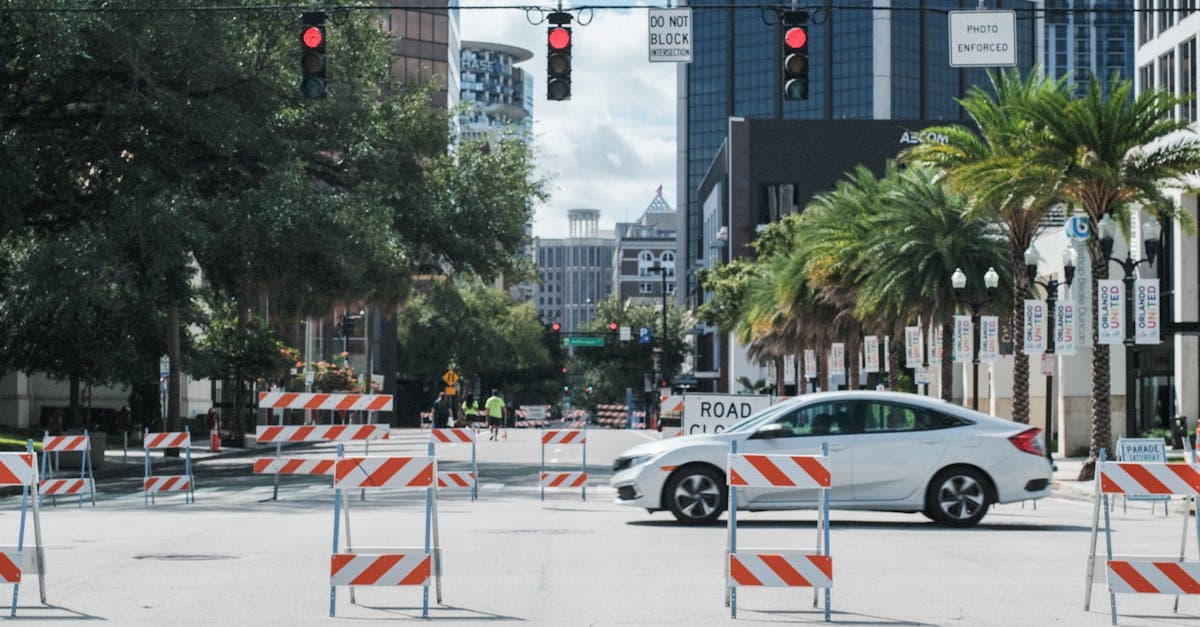
If you have just been in a car accident in Florida, take a deep breath — this guide walks you through exactly what happens next. Florida operates under a no-fault insurance system, which means your own Personal Injury Protection coverage pays your medical bills after an accident — regardless of who caused the crash. This system is the roadmap that guides you through each step after a Florida car accident.
Under Florida's no-fault framework, each driver's own PIP coverage pays for their medical expenses and lost wages up to the policy limit, which is $10,000. This eliminates the need to determine fault before medical bills are covered, providing faster access to treatment after an accident.
However, Florida's system also creates the chaotic intersection where medical care, insurance claims, and legal deadlines collide. The most critical is the fourteen-day rule: you must seek medical attention within fourteen days of the accident or lose your PIP benefits entirely. This deadline catches thousands of Florida drivers off guard every year, leaving them responsible for medical bills their insurance should have covered.
Beyond PIP, the post-accident process involves property damage claims, fault determination, potential lawsuits for serious injuries, and navigation of Florida's comparative negligence rules. Each step has specific requirements and deadlines that affect your recovery. This guide walks through every step in the order you need to take them.
Filing and Obtaining a Police Report After a Florida Accident
Here is the thing though — The Florida Traffic Crash Report is a critical document in your accident claim. Understanding when a police report is required and how to obtain it strengthens your position with insurers and in any legal proceedings.
When a police report is required: Florida law requires a police investigation and report when an accident results in injury, death, or property damage that appears to exceed $500. In practice, most accidents involving more than superficial damage should be reported to police. Even if the damage seems minor, a police report creates an official record that protects your interests.
What the report contains: The Florida Traffic Crash Report includes identifying information for all drivers and vehicles, a diagram of the accident scene, the officer's narrative of what happened, witness statements, weather and road conditions, any traffic citations issued, and the officer's determination of contributing causes.
Obtaining the report: Florida crash reports are available through the Florida Department of Highway Safety and Motor Vehicles or through the local law enforcement agency that investigated the accident. Reports are typically available within 10 days of the accident. You can request them online, in person, or through your insurer.
Self-reported accidents: If police do not respond to the scene, Florida law requires drivers to file a self-report within 10 days for accidents involving injury, death, or property damage exceeding $500. The self-report form is available through the FLHSMV and should be completed accurately.
Using the report in your claim: The police report is not the final word on fault — insurers conduct their own investigations. However, the report carries significant weight, particularly when it includes traffic citations or clear determinations of law violations. If the report contains errors, you can request corrections through the investigating agency.
Florida's Comparative Negligence Rules
Here is the thing though — Florida's comparative negligence system determines how fault percentages affect your ability to recover damages after an accident. This system has significant implications for both property damage and bodily injury claims.
How comparative negligence works: Under comparative negligence, each party's recovery is reduced by their percentage of fault. If you are found 30 percent at fault for an accident and your total damages are $100,000, your recovery is reduced by 30 percent to $70,000. The at-fault party's recovery is similarly reduced by their fault percentage.
Modified comparative negligence (2023 change): Florida transitioned from pure comparative negligence to a modified system in 2023. Under the modified system, a party who is more than 50 percent at fault generally cannot recover damages from the other party. This is a significant change from the previous system, which allowed recovery regardless of fault percentage.
How fault percentages are assigned: Fault percentages are determined through negotiation between insurers, mediation, arbitration, or jury trial. Evidence including the police report, witness statements, physical damage patterns, and expert testimony all contribute to the fault allocation. The assigned percentages directly determine each party's financial recovery.
Multiple party fault: In accidents involving more than two vehicles, fault can be divided among all parties. A three-car chain reaction might result in fault allocations of 60 percent, 25 percent, and 15 percent. Each party's recovery is reduced by their own fault percentage and can only be collected from parties whose fault exceeds the threshold.
Practical impact on your claim: Understanding comparative negligence helps you assess the realistic value of your claim. If there is any evidence that you contributed to the accident — speeding, distracted driving, failure to yield — your recovery will be reduced. Thorough documentation that supports your version of events and minimizes your apparent fault strengthens your position.
Getting a Rental Car After a Florida Accident
Now, this is where it gets interesting. Being without your vehicle after a Florida accident creates practical problems for work, family, and daily life. Understanding your rental car options ensures you stay mobile while your vehicle is being repaired or replaced.
Rental reimbursement on your policy: If your auto policy includes rental reimbursement coverage, your insurer provides a rental car while your vehicle is being repaired. This coverage has daily and total limits — commonly $30 to $50 per day with a maximum total benefit. Check your policy for specific limits before arranging a rental.
Claiming against the at-fault driver's insurance: If the other driver was at fault, you can claim rental car expenses from their property damage liability coverage. The at-fault driver's insurer must provide a rental car or reimburse your rental costs for a reasonable period while your vehicle is being repaired or until a total loss settlement is reached.
Duration of rental coverage: Rental coverage continues for a reasonable repair period — typically the time your vehicle is actually in the shop. If your vehicle is a total loss, rental coverage typically extends until the settlement is paid or a reasonable time after the total loss offer is made, whichever comes first.
Choosing a rental vehicle: You are entitled to a rental vehicle comparable to your own. If you drive a mid-size sedan, you can rent a mid-size sedan. You are not required to accept the smallest available vehicle, but upgrading beyond what is comparable to your own vehicle may not be covered.
Out-of-pocket rental and reimbursement: If you pay for a rental car out of pocket while waiting for the at-fault driver's insurer to arrange one, keep all receipts. These expenses are recoverable as part of your property damage claim. Document the dates, costs, and reason for the rental in case reimbursement is disputed.
How Fault Is Determined After a Florida Accident
Here is the thing though — While Florida's no-fault system handles medical bills without regard to fault, fault determination still matters significantly for property damage claims, bodily injury lawsuits, and premium impact. Understanding how fault is determined is navigating the Florida accident aftermath with a clear route from crash to recovery.
Police investigation: Responding officers investigate the accident and document their findings in the Florida Traffic Crash Report. The report includes a diagram of the accident, witness statements, officer observations, and in some cases a determination of which driver violated traffic law. This report is influential but not binding for insurance purposes.
Insurance investigation: Each insurer conducts its own investigation to determine fault. They review the police report, damage photographs, driver statements, witness accounts, and any available video evidence. The insurer's fault determination may differ from the police report, particularly in complex accidents.
Florida's comparative negligence system: Florida uses a comparative negligence system that assigns fault percentages to each party involved. If you are 20 percent at fault and the other driver is 80 percent at fault, your recovery is reduced by 20 percent. Under Florida's modified comparative negligence system (effective 2023), if you are more than 50 percent at fault, you generally cannot recover damages from the other party.
Rear-end collision presumption: Florida law creates a rebuttable presumption that the rear driver in a rear-end collision is at fault. The rear driver can overcome this presumption by presenting evidence that the lead driver acted negligently — such as brake-checking or making a sudden lane change — but the initial burden is on the rear driver.
The importance of evidence: Fault determination often comes down to evidence. Photographs, witness statements, dash cam footage, traffic camera recordings, and physical evidence at the scene all contribute to the fault analysis. Thorough documentation at the scene gives you the strongest position in any fault dispute.
Accidents with Uninsured Drivers in Florida
Now, this is where it gets interesting. Despite Florida's mandatory insurance requirements, a substantial percentage of Florida drivers are uninsured at any given time. Being hit by an uninsured driver creates specific coverage challenges that require understanding your own policy options.
Your PIP coverage still applies: Regardless of the other driver's insurance status, your PIP coverage pays your medical bills and lost wages up to your policy limit. The no-fault system ensures immediate medical coverage without regard to the other driver's insurance status.
Uninsured motorist coverage: If you carry uninsured motorist coverage, it steps into the shoes of the insurance the at-fault driver should have had. UM coverage pays for your injuries and damages as if the uninsured driver had carried liability insurance. Florida does not require UM coverage, but insurers must offer it and it is strongly recommended.
Collision coverage for vehicle damage: Your collision coverage pays for your vehicle repairs when the at-fault driver has no insurance. You pay your collision deductible, and your insurer covers the repair. Without collision coverage, you must pursue the uninsured driver personally for vehicle damage costs.
Pursuing the uninsured driver personally: You can sue the uninsured driver for damages, but collecting a judgment against someone who cannot afford auto insurance is often impractical. The uninsured driver may have no assets, making a lawsuit costly with little prospect of recovery.
Stacking UM coverage in Florida: Florida allows stacking of uninsured motorist coverage across multiple vehicles on your policy. If you have three vehicles with $100,000 in UM coverage each, you may be able to stack the coverages for $300,000 in total UM protection. Stacking rules in Florida can be complex, so review your policy or consult an agent.
Property Damage Claims After a Florida Accident
Now, this is where it gets interesting. While PIP handles medical bills under the no-fault system, property damage in Florida follows traditional fault-based rules. The at-fault driver's property damage liability coverage pays for damage to the other driver's vehicle.
Florida's property damage liability requirement: Florida requires drivers to carry a minimum of $10,000 in property damage liability coverage. This coverage pays for damage the insured driver causes to other people's vehicles and property. The $10,000 minimum is extremely low given modern vehicle values and repair costs.
Filing against the at-fault driver: If the other driver caused the accident, you can file a property damage claim against their insurance. Their property damage liability coverage pays for your vehicle repairs up to their policy limit. You do not need to pay a deductible when filing against the at-fault driver's policy.
Using your own collision coverage: If you have collision coverage on your own policy, you can file the property damage claim through your own insurer instead. You pay your collision deductible, and your insurer handles the repair. Your insurer then pursues subrogation against the at-fault driver's insurer to recover the claim payment and potentially your deductible.
When the at-fault driver is uninsured: If the at-fault driver has no insurance, your own collision coverage is your primary option for vehicle repairs. Uninsured motorist property damage coverage, if you carry it, may also apply. Without either coverage, you must pursue the uninsured driver personally for reimbursement.
Total loss determinations: If your vehicle's repair costs exceed its actual cash value, the insurer declares a total loss. In Florida, the total loss threshold varies by insurer but is typically around 80 percent of the vehicle's value. You receive the vehicle's actual cash value minus any applicable deductible.
Seeking Medical Attention After a Florida Accident
Here is the thing though — Medical attention after a Florida car accident serves dual purposes: protecting your health and protecting your insurance claim. The documentation generated by medical treatment is the foundation of your PIP claim and any subsequent injury claim.
Emergency room visits: If you have any immediate symptoms — pain, dizziness, confusion, difficulty breathing — go to the emergency room. ER visits clearly satisfy the fourteen-day rule and create comprehensive documentation of your initial condition. ER records are given significant weight in insurance claims because they represent the earliest medical assessment.
Urgent care as an alternative: For less severe symptoms, an urgent care facility can provide a timely evaluation that satisfies the fourteen-day rule. Urgent care visits are typically less expensive than ER visits, preserving more of your PIP benefit for ongoing treatment.
Follow-up care: The initial medical visit activates your PIP benefits, but follow-up care is equally important. Consistent treatment records that show the progression of your injuries strengthen your claim. Gaps in treatment give insurers ammunition to argue that your injuries were not serious or were caused by something other than the accident.
Documenting symptoms accurately: Tell your healthcare provider about every symptom you are experiencing, no matter how minor it seems. Headaches, neck stiffness, back pain, numbness, tingling, anxiety, and sleep disturbances should all be reported. Symptoms not documented at early visits become harder to link to the accident later.
Specialist referrals: If your injuries require specialist care — orthopedic consultation, neurological evaluation, physical therapy — follow through on these referrals promptly. Delayed specialist treatment can be used by insurers to argue that the need was not urgent or that the injury improved without intervention.
What the Data Tells Us About Florida Accident Recovery
The statistics tell a clear story: Florida's no-fault system provides fast initial medical coverage through PIP, but the $10,000 limit is insufficient for anything beyond minor injuries. Drivers who carry only the minimum required coverage face significant financial exposure after even moderate accidents.
The data also reveals that a substantial number of Florida drivers miss the fourteen-day PIP window, forfeiting thousands of dollars in medical coverage that was already paid for through their premiums. This preventable loss underscores the importance of understanding the system's deadlines.
Drivers who carry adequate coverage — including uninsured motorist protection, higher liability limits, and collision coverage — recover more effectively and face fewer financial surprises. The cost of adequate coverage is modest compared to the potential cost of being underinsured in a state with high crash frequency and a significant uninsured driver population.
The data-driven takeaway: carry adequate coverage, see a doctor within fourteen days, and document everything. These three actions, supported by data from thousands of Florida accident claims, produce the best recovery outcomes.
Continue reading

The Hidden Exclusions That Make Cheap Insurance Quotes Dangerous
Budget insurance quotes often achieve low prices by excluding coverages that standard policies include. Identifying these hidden exclusions before you buy prevents devastating coverage gaps when you need protection most.
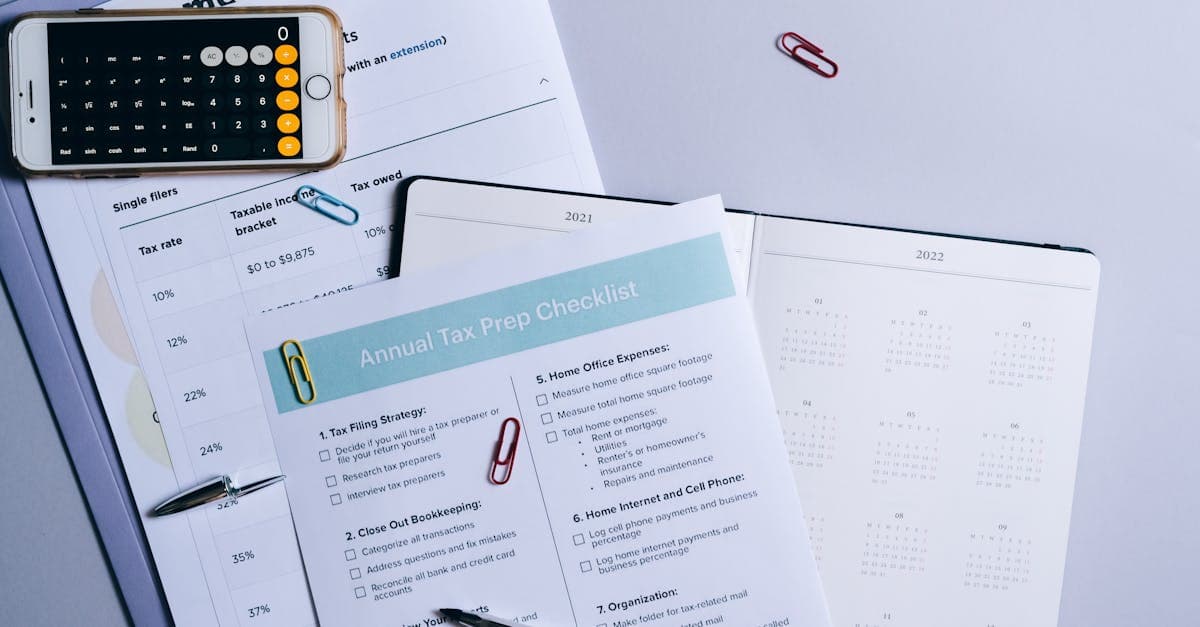
Policy Checkup Checklist: Every Item to Review During Your Annual Review
This comprehensive checklist covers every coverage, limit, deductible, endorsement, discount, and beneficiary designation you should review during your annual policy checkup.
How to Protect Yourself Before Signing an Assignment of Benefits
Before signing any AOB, get a written estimate, verify the contractor is licensed, understand the scope of work, and know your right to rescind. These steps protect your interests.