Other Structures Coverage and Storm Damage: What Happens When Wind Hits Your Shed

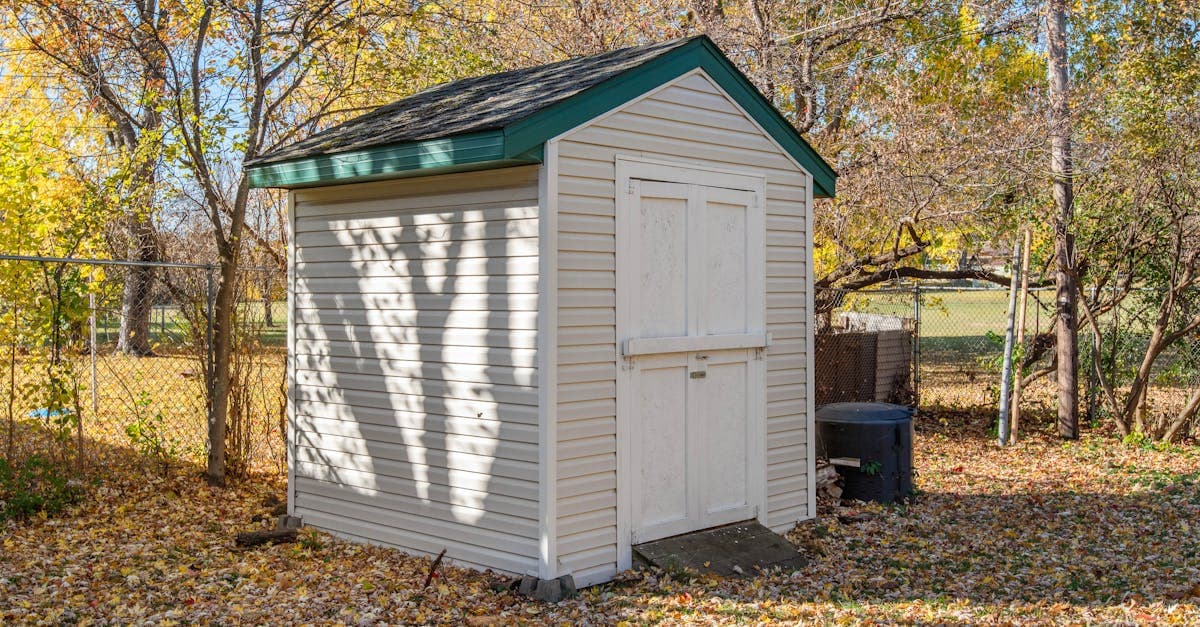
Let's talk about a part of your homeowners policy that most people overlook until they need it — other structures coverage, the protection for every detached building and structure on your property. Other structures coverage is the extended map that charts protection beyond your front door to every detached structure on your property. It pays to repair or replace detached structures on your property — garages, sheds, fences, gazebos, and other buildings that are separated from your home by clear space.
Think of your property as having two zones of structural protection. Your dwelling coverage protects the main home and everything physically attached to it. Your other structures coverage, or Coverage B, extends that protection outward to the uncharted territory where homeowners assume protection exists but discover too late that detached structures were left off the coverage map. A windstorm topples your fence. A tree crashes through your detached garage roof. Lightning strikes your backyard shed. These events damage structures that are part of your property but not part of your dwelling.
Coverage B is typically set at 10 percent of your Coverage A dwelling limit. If your dwelling coverage is $400,000, your default other structures coverage is $40,000. This $40,000 must cover the repair or replacement of every detached structure on your property combined — your detached garage, shed, fence, gazebo, and any other qualifying structure.
Understanding this coverage matters because many homeowners have detached structures worth far more than the default 10 percent limit provides. A detached two-car garage alone can cost $30,000 to $50,000 to rebuild, potentially consuming most or all of your Coverage B limit before any other structure is considered.
How Coverage B Interacts With Other Homeowners Policy Coverages
Now, this is where it gets interesting. Other structures coverage does not operate in isolation — it works alongside dwelling coverage, personal property coverage, liability coverage, and other policy components. Understanding these interactions ensures complete protection across your entire property.
Coverage B and Coverage A (dwelling): These two coverages handle different categories of structures on your property. Coverage A protects the main home and attached structures. Coverage B protects everything detached. Their limits are independent — a shortfall in Coverage B cannot be supplemented by unused Coverage A funds.
Coverage B and Coverage C (personal property): Coverage B protects the physical structure of detached buildings. Coverage C protects the contents inside those buildings. When a fire destroys your detached workshop, Coverage B pays to rebuild the structure while Coverage C pays to replace the tools, equipment, and supplies stored inside.
Coverage B and Coverage D (loss of use): If a detached structure that serves as a living space — such as a guest house or ADU occupied by a family member — becomes uninhabitable due to a covered loss, Coverage D may provide additional living expenses for the displaced occupants.
Coverage B and liability (Coverage E): If someone is injured in or around a detached structure on your property — a guest trips on a broken step in your gazebo or a child is hurt on a playset — your liability coverage responds to the injury claim. Coverage B handles the structural damage while liability handles the injury.
Coverage B and debris removal: After a major loss to a detached structure, removing destroyed materials is part of the recovery. Debris removal costs are typically included within your Coverage B limit, though some policies provide additional debris removal coverage.
The percentage relationship: Because Coverage B is typically set as a percentage of your dwelling coverage limit, increasing your dwelling coverage automatically increases Coverage B if you maintain the default percentage. However, this automatic relationship should be verified — the percentage-based increase may not match the actual increase in detached structure replacement costs.
Pool Houses, Gazebos, and Outdoor Living Structures Under Coverage B
Here is the thing though — The trend toward elaborate outdoor living spaces has increased the value and importance of other structures coverage. Pool houses, gazebos, outdoor kitchens, and entertainment pavilions represent significant investments that require adequate Coverage B protection.
Pool house coverage: A detached pool house can cost $20,000 to $80,000 or more to build depending on size, finishes, and features. When storm, fire, or other covered perils damage the structure, Coverage B pays for repairs. The pool house alone may represent a large portion of your Coverage B limit.
In-ground pool structures: The pool shell, coping, decking, and equipment enclosure are covered under Coverage B as permanent structures. Damage from fallen trees, lightning strikes, and other covered perils triggers a claim. Mechanical equipment damage from covered events is also included.
Gazebo coverage: Freestanding gazebos range from $3,000 for basic prefabricated models to $25,000 or more for custom-built structures with electrical, ceiling fans, and built-in seating. Wind damage and fallen trees are the most common threats.
Outdoor kitchen structures: A detached outdoor kitchen with built-in grill, countertops, cabinetry, and a roof structure can cost $15,000 to $50,000 or more. These structures are covered under Coverage B when they stand apart from the main home.
Pavilions and entertainment areas: A covered pavilion or entertainment area with permanent posts, roofing, and features like ceiling fans, lighting, and built-in speakers represents a significant other structures investment. Storm damage to the structure triggers Coverage B.
The aggregate impact: A property with a pool house, gazebo, outdoor kitchen, and fencing can easily have $100,000 or more in detached structure value. On a policy with a $40,000 Coverage B limit, the gap is enormous. Inventorying these structures and adjusting your limit is essential for properties with extensive outdoor living improvements.
How Coverage B Interacts With Other Homeowners Policy Coverages
Now, this is where it gets interesting. Other structures coverage does not operate in isolation — it works alongside dwelling coverage, personal property coverage, liability coverage, and other policy components. Understanding these interactions ensures complete protection across your entire property.
Coverage B and Coverage A (dwelling): These two coverages handle different categories of structures on your property. Coverage A protects the main home and attached structures. Coverage B protects everything detached. Their limits are independent — a shortfall in Coverage B cannot be supplemented by unused Coverage A funds.
Coverage B and Coverage C (personal property): Coverage B protects the physical structure of detached buildings. Coverage C protects the contents inside those buildings. When a fire destroys your detached workshop, Coverage B pays to rebuild the structure while Coverage C pays to replace the tools, equipment, and supplies stored inside.
Coverage B and Coverage D (loss of use): If a detached structure that serves as a living space — such as a guest house or ADU occupied by a family member — becomes uninhabitable due to a covered loss, Coverage D may provide additional living expenses for the displaced occupants.
Coverage B and liability (Coverage E): If someone is injured in or around a detached structure on your property — a guest trips on a broken step in your gazebo or a child is hurt on a playset — your liability coverage responds to the injury claim. Coverage B handles the structural damage while liability handles the injury.
Coverage B and debris removal: After a major loss to a detached structure, removing destroyed materials is part of the recovery. Debris removal costs are typically included within your Coverage B limit, though some policies provide additional debris removal coverage.
The percentage relationship: Because Coverage B is typically set as a percentage of your dwelling coverage limit, increasing your dwelling coverage automatically increases Coverage B if you maintain the default percentage. However, this automatic relationship should be verified — the percentage-based increase may not match the actual increase in detached structure replacement costs.
Attached vs Detached: How to Determine Which Coverage Applies
Now, this is where it gets interesting. The dividing line between dwelling coverage and other structures coverage is physical attachment to the main home. Understanding this distinction prevents confusion during the claims process and ensures each structure is covered under the correct policy section.
The attachment test: If a structure shares a wall, roof, or structural connection with your main home, it falls under dwelling coverage (Coverage A). If it is separated from the main home by clear space — even if connected by a sidewalk, breezeway, or fence — it is an other structure under Coverage B.
Attached garages vs detached garages: An attached garage that shares a wall with your home is covered under dwelling coverage. A detached garage that stands separately — even if only a few feet from the house — is covered under Coverage B. This distinction applies even if a covered walkway connects the two.
Covered porches and patios: A covered porch that shares a roof or wall with the main home is dwelling coverage territory. A freestanding patio cover, pergola, or pavilion in the backyard is an other structure under Coverage B.
Breezeways and connecting structures: A breezeway that physically connects your home to a detached garage creates a gray area. In most policies, the breezeway may be considered part of the dwelling if it is permanently attached and enclosed, or it may be classified as an other structure if it is open-sided or not permanently enclosed.
The practical impact: Misclassifying a structure can create coverage problems during a claim. If you assume your detached garage is covered under your dwelling coverage limit, you may not realize that its loss reduces your Coverage B limit — potentially leaving other detached structures underfunded.
When in doubt, ask: If you are unsure whether a structure qualifies as attached or detached for coverage purposes, ask your insurance agent for clarification. The agent can review your policy language and confirm which coverage section applies to each structure on your property.
Guest Houses, ADUs, and Rental Structures Under Coverage B
Here is the thing though — Detached guest houses, accessory dwelling units, and structures used for rental income introduce additional complexity to other structures coverage. Understanding how Coverage B applies to these structures prevents gaps that could prove costly. Ignoring these nuances is the uncharted territory where homeowners assume protection exists but discover too late that detached structures were left off the coverage map.
Guest house coverage: A detached guest house used exclusively by friends and family at no charge is typically covered under Coverage B as a standard other structure. The structure's replacement cost should be included in your Coverage B limit calculation.
Accessory dwelling units: Detached ADUs — small separate living units on your property — are increasingly common. If the ADU is used by family members at no charge, standard Coverage B typically applies. If the ADU is rented to tenants, additional coverage considerations arise.
Rental use complications: When you rent a detached structure to a tenant, standard homeowners Coverage B may limit or exclude coverage. Some policies exclude structures that generate rental income, while others cover the structure but exclude liability related to tenant injuries. Disclosure to your insurer is essential.
Landlord policy considerations: If you regularly rent a detached structure on your property, you may need a landlord endorsement or a separate landlord policy to fully protect the rental structure and cover your liability as a landlord. Standard homeowners coverage was not designed for rental operations.
Short-term rental platforms: Using a detached structure for Airbnb, VRBO, or other short-term rental platforms can void Coverage B protection if not disclosed. Many insurers require a specific short-term rental endorsement or policy for structures used in the sharing economy.
Valuation of living structures: Guest houses and ADUs with kitchens, bathrooms, bedrooms, and living spaces have significantly higher replacement costs than simple sheds or garages. A detached ADU can cost $100,000 to $200,000 or more to rebuild, potentially exceeding your Coverage B limit entirely on its own.
Attached vs Detached: How to Determine Which Coverage Applies
Now, this is where it gets interesting. The dividing line between dwelling coverage and other structures coverage is physical attachment to the main home. Understanding this distinction prevents confusion during the claims process and ensures each structure is covered under the correct policy section.
The attachment test: If a structure shares a wall, roof, or structural connection with your main home, it falls under dwelling coverage (Coverage A). If it is separated from the main home by clear space — even if connected by a sidewalk, breezeway, or fence — it is an other structure under Coverage B.
Attached garages vs detached garages: An attached garage that shares a wall with your home is covered under dwelling coverage. A detached garage that stands separately — even if only a few feet from the house — is covered under Coverage B. This distinction applies even if a covered walkway connects the two.
Covered porches and patios: A covered porch that shares a roof or wall with the main home is dwelling coverage territory. A freestanding patio cover, pergola, or pavilion in the backyard is an other structure under Coverage B.
Breezeways and connecting structures: A breezeway that physically connects your home to a detached garage creates a gray area. In most policies, the breezeway may be considered part of the dwelling if it is permanently attached and enclosed, or it may be classified as an other structure if it is open-sided or not permanently enclosed.
The practical impact: Misclassifying a structure can create coverage problems during a claim. If you assume your detached garage is covered under your dwelling coverage limit, you may not realize that its loss reduces your Coverage B limit — potentially leaving other detached structures underfunded.
When in doubt, ask: If you are unsure whether a structure qualifies as attached or detached for coverage purposes, ask your insurance agent for clarification. The agent can review your policy language and confirm which coverage section applies to each structure on your property.
Guest Houses, ADUs, and Rental Structures Under Coverage B
Here is the thing though — Detached guest houses, accessory dwelling units, and structures used for rental income introduce additional complexity to other structures coverage. Understanding how Coverage B applies to these structures prevents gaps that could prove costly. Ignoring these nuances is the uncharted territory where homeowners assume protection exists but discover too late that detached structures were left off the coverage map.
Guest house coverage: A detached guest house used exclusively by friends and family at no charge is typically covered under Coverage B as a standard other structure. The structure's replacement cost should be included in your Coverage B limit calculation.
Accessory dwelling units: Detached ADUs — small separate living units on your property — are increasingly common. If the ADU is used by family members at no charge, standard Coverage B typically applies. If the ADU is rented to tenants, additional coverage considerations arise.
Rental use complications: When you rent a detached structure to a tenant, standard homeowners Coverage B may limit or exclude coverage. Some policies exclude structures that generate rental income, while others cover the structure but exclude liability related to tenant injuries. Disclosure to your insurer is essential.
Landlord policy considerations: If you regularly rent a detached structure on your property, you may need a landlord endorsement or a separate landlord policy to fully protect the rental structure and cover your liability as a landlord. Standard homeowners coverage was not designed for rental operations.
Short-term rental platforms: Using a detached structure for Airbnb, VRBO, or other short-term rental platforms can void Coverage B protection if not disclosed. Many insurers require a specific short-term rental endorsement or policy for structures used in the sharing economy.
Valuation of living structures: Guest houses and ADUs with kitchens, bathrooms, bedrooms, and living spaces have significantly higher replacement costs than simple sheds or garages. A detached ADU can cost $100,000 to $200,000 or more to rebuild, potentially exceeding your Coverage B limit entirely on its own.
What the Numbers Tell Us About Other Structures Coverage
The math behind other structures coverage is straightforward. Add up the replacement cost of every detached structure on your property. Compare that total to your Coverage B limit. If the total exceeds the limit, you have a gap.
For a typical suburban property, the numbers might look like this: detached two-car garage at $35,000, wood privacy fence at $8,000, storage shed at $5,000, and a gazebo at $6,000. The total is $54,000. On a $400,000 dwelling policy with a 10 percent Coverage B limit, the available coverage is $40,000 — leaving a $14,000 gap.
For properties with more extensive detached structures, the gap can be much larger. A pool house at $50,000, detached workshop at $25,000, and extensive fencing at $12,000 total $87,000 — more than double a $40,000 Coverage B limit.
The premium cost to close the gap is minimal. Increasing Coverage B from $40,000 to $80,000 might add $75 to $200 per year in premium. The alternative — absorbing a $40,000 shortfall out of pocket — makes the premium increase a clear value proposition.
Continue reading

The Hidden Exclusions That Make Cheap Insurance Quotes Dangerous
Budget insurance quotes often achieve low prices by excluding coverages that standard policies include. Identifying these hidden exclusions before you buy prevents devastating coverage gaps when you need protection most.

Policy Checkup Checklist: Every Item to Review During Your Annual Review
This comprehensive checklist covers every coverage, limit, deductible, endorsement, discount, and beneficiary designation you should review during your annual policy checkup.

How to Protect Yourself Before Signing an Assignment of Benefits
Before signing any AOB, get a written estimate, verify the contractor is licensed, understand the scope of work, and know your right to rescind. These steps protect your interests.