Does Personal Property Coverage Protect Electronics and Computers?


Let's talk about the part of your homeowners policy that protects everything inside your home — personal property coverage, the shield for your furniture, clothes, electronics, and every other belonging you own. Personal property coverage is the inventory compass that ensures every possession in your home has a documented path to recovery after a covered loss. It pays to repair or replace your belongings when they are damaged, destroyed, or stolen due to a covered peril — fire, theft, vandalism, windstorm, lightning, and other events listed on your policy.
Think of personal property coverage as your defense against the shipwreck that scatters your belongings and reveals whether your coverage map accounts for every valuable item you own. A house fire consumes your furniture, clothing, and electronics. A burglar steals your jewelry, electronics, and valuables. A burst pipe ruins the contents of an entire floor. These events destroy the personal items that make your house a home, and Coverage C pays to replace them.
This makes personal property coverage fundamentally different from dwelling coverage, which protects the physical structure. If dwelling coverage rebuilds the walls, floors, and roof, personal property coverage refills the rooms with everything that was inside. The furniture in every room, the clothes in every closet, the electronics in every entertainment center, and the appliances in every kitchen are all Coverage C territory.
Your personal property coverage limit — typically set at 50 to 70 percent of your dwelling coverage — is the maximum your insurer will pay to replace all your belongings combined. Getting this number right means you can refurnish and restock your entire home after a total loss. Getting it wrong means empty rooms and half-furnished spaces.
How Personal Property Coverage Interacts With Other Policy Coverages
Here is the thing though — Personal property coverage does not operate in isolation. It coordinates with dwelling coverage, other structures coverage, loss of use coverage, and liability coverage to provide comprehensive protection. Understanding these interactions ensures complete recovery after a loss.
Coverage C and Coverage A (dwelling): The dividing line is simple: permanently installed items are dwelling coverage, removable items are personal property. Built-in cabinets are Coverage A; freestanding bookshelves are Coverage C. Hardwood flooring is Coverage A; area rugs are Coverage C. Central air is Coverage A; a portable fan is Coverage C.
Coverage C and Coverage B (other structures): Personal property stored in detached structures — tools in a shed, bicycles in a detached garage, seasonal items in a storage building — is covered under Coverage C, not Coverage B. Coverage B protects the structure itself; Coverage C protects what is inside it.
Coverage C and Coverage D (loss of use): When a covered loss displaces you from your home, Coverage D pays your additional living expenses while Coverage C replaces your damaged belongings. These coverages work in parallel — you receive temporary housing costs and contents replacement simultaneously.
Coverage C and liability (Coverage E): If a guest's personal property is damaged in your home — a guest's coat is ruined by a leaking pipe, for example — your liability coverage may respond to their claim. Your Coverage C protects your belongings; your liability coverage addresses damage to others' property.
Coverage C and auto insurance: Motor vehicles are excluded from personal property coverage. Your car is protected by your auto insurance, not your homeowners policy. However, personal belongings inside the car — a laptop bag, sporting equipment, or personal items — are covered under your homeowners Coverage C if stolen.
The comprehensive picture: After a covered event like a fire, multiple coverages activate simultaneously. Dwelling coverage repairs the structure, Coverage B repairs detached structures, Coverage C replaces your belongings, Coverage D provides temporary housing, and debris removal clears the site. Understanding each coverage's role ensures no category of loss falls through the cracks.
Personal Property Coverage After Theft: Filing and Settling Claims
Here is the thing though — Theft is one of the most common triggers for personal property claims. Understanding how Coverage C responds to burglary, break-ins, and property theft ensures you know what to expect and how to maximize your recovery.
Immediate steps after a theft: File a police report immediately — most insurers require a police report for theft claims. Document what was stolen by creating a list from memory while details are fresh. Photograph any evidence of forced entry or property damage associated with the theft.
What theft coverage includes: Personal property stolen from your home, your car, a storage unit, or any other location is covered under your policy's theft provisions. The coverage extends to cash (subject to sublimits), electronics, jewelry (subject to sublimits), clothing, and all other personal property.
Filing the insurance claim: Contact your insurer promptly after the theft and police report. Provide the police report number, your list of stolen items with estimated values, and any supporting documentation such as purchase receipts, photographs, or serial numbers.
Proof of ownership challenges: After a theft, you must demonstrate that you owned the stolen items and establish their value. Pre-loss inventory photographs, purchase receipts, credit card statements, and serial number records all serve as proof of ownership.
Sublimit impact on theft claims: Theft claims frequently trigger sublimit issues because thieves target high-value categories — jewelry, electronics, firearms, and cash — that are subject to per-category caps. If your stolen jewelry exceeds the $1,500 sublimit, you receive only $1,500 regardless of the actual value.
Preventing sublimit losses: The only way to prevent sublimit losses in a theft is to schedule high-value items before the theft occurs. Once items are stolen, it is too late to add scheduling. Review your sublimits now and schedule any items that exceed category caps.
The Personal Property Claim Process: From Loss to Replacement
Now, this is where it gets interesting. Filing a personal property claim requires more documentation and detail than most other types of homeowners claims because you must account for potentially hundreds or thousands of individual items. Understanding the process helps you prepare and navigate efficiently.
Step one — report the loss: Contact your insurer as soon as possible after discovering damage, destruction, or theft of personal property. For theft, also file a police report immediately. Your insurer will assign a claim number and explain the next steps.
Step two — document your losses: Create a comprehensive list of every damaged, destroyed, or stolen item. For each item, note the description, approximate age, original purchase price if known, and estimated current replacement cost. Use your pre-loss inventory if you have one.
Step three — provide supporting documentation: Submit photographs, receipts, credit card statements, and any other documentation that supports your ownership and the value of claimed items. Pre-loss inventory photographs and video are particularly valuable for establishing what was in the home.
Step four — the adjuster review: The insurance adjuster will review your itemized claim list, verify items where possible, and apply the policy's valuation method to each item. For replacement cost policies, the initial payment is typically the actual cash value, with depreciation recoverable upon replacement.
Step five — negotiate if needed: If the adjuster's valuations seem low, provide evidence of current replacement costs — print advertisements, online retailer pricing, or contractor estimates for custom items. You have the right to negotiate item values based on actual market pricing.
Step six — replace and recover depreciation: Under replacement cost policies, purchase replacement items within the policy's deadline and submit receipts to recover the depreciation holdback. Prioritize replacing high-value items first, as the depreciation recovery on these items is the largest.
Personal Property Coverage Away From Home: Off-Premises Protection
Here is the thing though — One of the most valuable but least understood features of personal property coverage is its extension beyond your home. Coverage C typically protects your belongings anywhere in the world, subject to certain conditions and limits.
The off-premises provision: Most homeowners policies extend personal property coverage to belongings that are temporarily away from home. Items stolen from your car, damaged during travel, or lost at a hotel are typically covered, usually at 10 percent of your Coverage C limit.
Belongings at college: If you have a dependent child living at a college dormitory, their belongings are typically covered under your homeowners personal property coverage. This extension usually provides up to 10 percent of your Coverage C limit at the college location.
Items in storage: Personal property stored in off-site storage units is generally covered under your homeowners policy, again typically at 10 percent of your Coverage C limit. If you have significant items in storage, verify that the 10 percent limit is adequate.
Belongings during travel: Items stolen from your hotel room, damaged in transit, or lost during travel are covered under the off-premises provision. This protection applies both domestically and internationally on most policies.
Vehicle theft limitations: While belongings stolen from your car are generally covered, there are important distinctions. Items stolen from a locked vehicle have stronger coverage than items stolen from an unlocked vehicle. Some policies require evidence of forced entry for vehicle theft claims.
Worldwide coverage: Personal property coverage typically applies worldwide, though some policies limit international coverage or require specific conditions. Check your policy for any territorial restrictions before relying on off-premises coverage during international travel.
Personal Property Coverage During a Move to a New Home
Now, this is where it gets interesting. Moving to a new home creates a temporary period when your personal property is in transit, at your old home, at your new home, or split between locations. Understanding how Coverage C applies during a move prevents gaps in protection during this transitional period.
Coverage at the old home: Your existing homeowners policy provides personal property coverage at your current home until the policy is canceled or transferred. Belongings remaining at the old home are covered until you complete the move.
Coverage at the new home: Most homeowners policies provide personal property coverage at the new home for a limited period — typically 30 days — while you transition between properties. This temporary extension covers your belongings at the new location before your new policy takes effect.
Coverage during transit: Personal property in transit between homes is generally covered under your policy. Items damaged during loading, transport, or unloading by a covered peril are covered. However, damage from poor packing or normal transit wear may not qualify.
Professional movers and liability: If you hire professional movers, their liability for damage is typically limited by contract. Your personal property coverage provides backup protection for belongings damaged during the move beyond the mover's liability limits.
Updating your policy: When you move, update your homeowners policy immediately to reflect the new property. Adjust your personal property coverage limit if the new home will contain different amounts of belongings than the previous one.
The moving inventory opportunity: A move is the ideal time to conduct a thorough personal property inventory. As you pack each room, document the contents. When you unpack at the new home, verify the inventory. This natural cataloging process creates the pre-loss documentation that supports future claims.
How to Create a Personal Property Inventory That Supports Your Claim
Now, this is where it gets interesting. The single most important step you can take to protect your personal property investment is creating a thorough inventory before a loss occurs. This inventory is charting the full value of your possessions so your insurance can navigate a complete replacement after fire, theft, or storm.
The room-by-room approach: Start in one room and work your way through the entire home. Open every drawer, closet, and cabinet. Document every item you find — from major furniture pieces to small kitchen gadgets. The goal is completeness, not speed.
What to record for each item: For each item, note the description, estimated purchase date, purchase price (if known), and estimated current replacement cost. For high-value items, record the make, model, and serial number.
Photograph everything: Take photographs of every room from multiple angles. Open closets and photograph the contents. Photograph the inside of cabinets, drawers, and storage areas. For high-value items, take close-up photos that show details, brand names, and condition.
Video walkthrough: In addition to photographs, record a video walkthrough of your entire home, narrating as you go. Open doors, describe contents, and point out valuable items. A video captures items that static photographs might miss.
Receipts and documentation: Save receipts for major purchases — furniture, electronics, appliances, and tools. Store these receipts digitally. Credit card and bank statements can also serve as proof of purchase if receipts are lost.
Store your inventory off-site: Keep your inventory documentation — photographs, videos, spreadsheets, and receipts — in a location that would survive a total loss of your home. Cloud storage, a safe deposit box, or a trusted family member's home are all appropriate options.
Update annually: Review and update your inventory at least once a year. Add new purchases, remove items you have disposed of, and update replacement cost estimates for items that have increased in price.
Personal Property Coverage for Business Equipment and Home Office Items
Here is the thing though — The growth of remote work and home-based businesses has increased the amount of business-related property in residential homes. Understanding how personal property coverage handles business equipment prevents gaps that could leave your workspace unprotected. This is about recognizing the shipwreck that scatters your belongings and reveals whether your coverage map accounts for every valuable item you own.
Standard business property sublimits: Most homeowners policies cap coverage for business property at $2,500 on the premises of the insured home and $500 when business property is off premises. These sublimits apply to equipment, inventory, supplies, and other items used for business purposes.
What counts as business property: Any item used primarily for business purposes may be classified as business property — a dedicated business computer, professional-grade printer, specialized software installations, client files, business inventory, and professional tools or equipment.
The remote work gray area: Items that serve both personal and business purposes — a laptop used for work and personal use, a printer shared between the home office and family use — exist in a coverage gray area. Most policies lean toward treating dual-use items as personal property if they are not exclusively business-dedicated.
Home business endorsement: If your home office equipment exceeds the $2,500 business property sublimit, a home business endorsement increases coverage for business equipment and may add liability protection for business activities conducted from home. This endorsement is relatively affordable and significantly improves coverage.
Separate business insurance: For home-based businesses with significant equipment, inventory, or liability exposure, a separate business owners policy or in-home business policy provides comprehensive coverage beyond what a homeowners policy endorsement offers.
Documenting business property: Maintain a separate inventory of business equipment with serial numbers, purchase dates, and values. This inventory supports your claim and helps establish which items are business property versus personal property.
What the Numbers Tell Us About Personal Property Coverage
The statistics on personal property are revealing. The average household contains $100,000 to $300,000 in personal property. Most homeowners estimate their belongings at 30 to 50 percent of the actual replacement cost. And actual cash value policies pay 30 to 50 percent less than replacement cost policies on claims involving older items.
These numbers mean that underinsurance and undervaluation are the norm, not the exception. A family that estimates their belongings at $80,000 may face a $180,000 replacement bill after a total loss. The $100,000 gap comes entirely from their own resources.
The data-driven approach is straightforward: inventory your belongings, calculate the total replacement cost, compare to your Coverage C limit, and close any gap. Then verify that your valuation method is replacement cost, not actual cash value.
The premium cost of adequate personal property coverage is minimal compared to the exposure. An additional $50,000 in Coverage C might cost $100 to $250 per year. The alternative — absorbing $50,000 in replacement costs from savings — is a risk no informed homeowner should accept.
For a clearer view of how personal property coverage works on a homeowners policy — including limits on high-value items most people miss — Truscott has a short reference.
Continue reading

The Hidden Exclusions That Make Cheap Insurance Quotes Dangerous
Budget insurance quotes often achieve low prices by excluding coverages that standard policies include. Identifying these hidden exclusions before you buy prevents devastating coverage gaps when you need protection most.
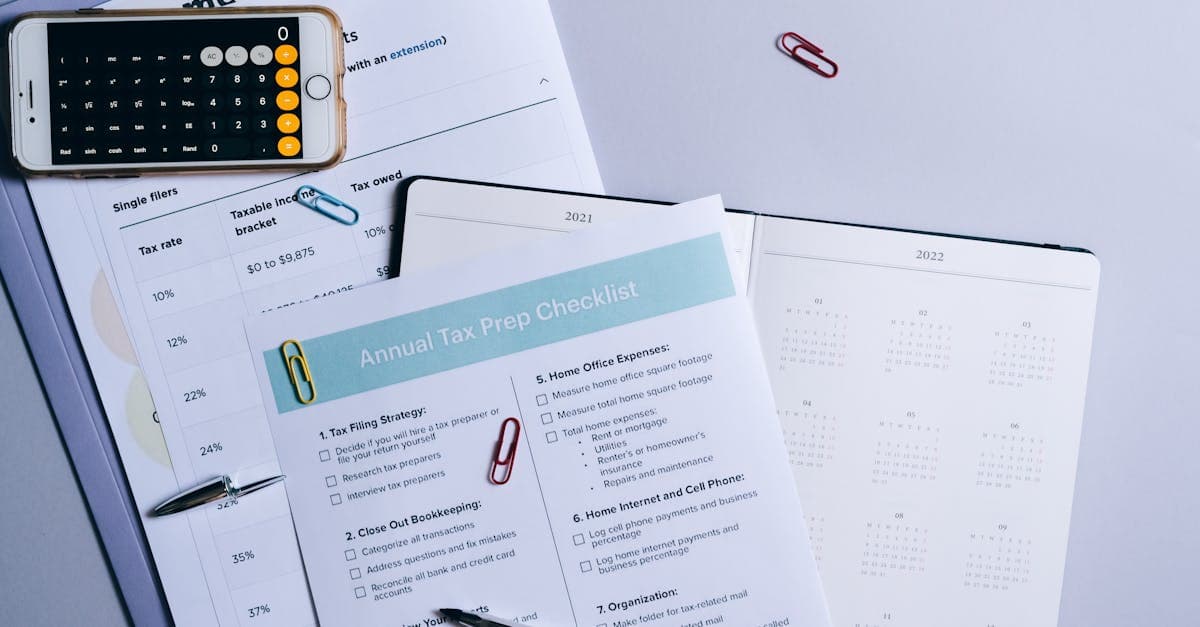
Policy Checkup Checklist: Every Item to Review During Your Annual Review
This comprehensive checklist covers every coverage, limit, deductible, endorsement, discount, and beneficiary designation you should review during your annual policy checkup.
How to Protect Yourself Before Signing an Assignment of Benefits
Before signing any AOB, get a written estimate, verify the contractor is licensed, understand the scope of work, and know your right to rescind. These steps protect your interests.