Water Heater Failure Claims: What Homeowners Insurance Pays

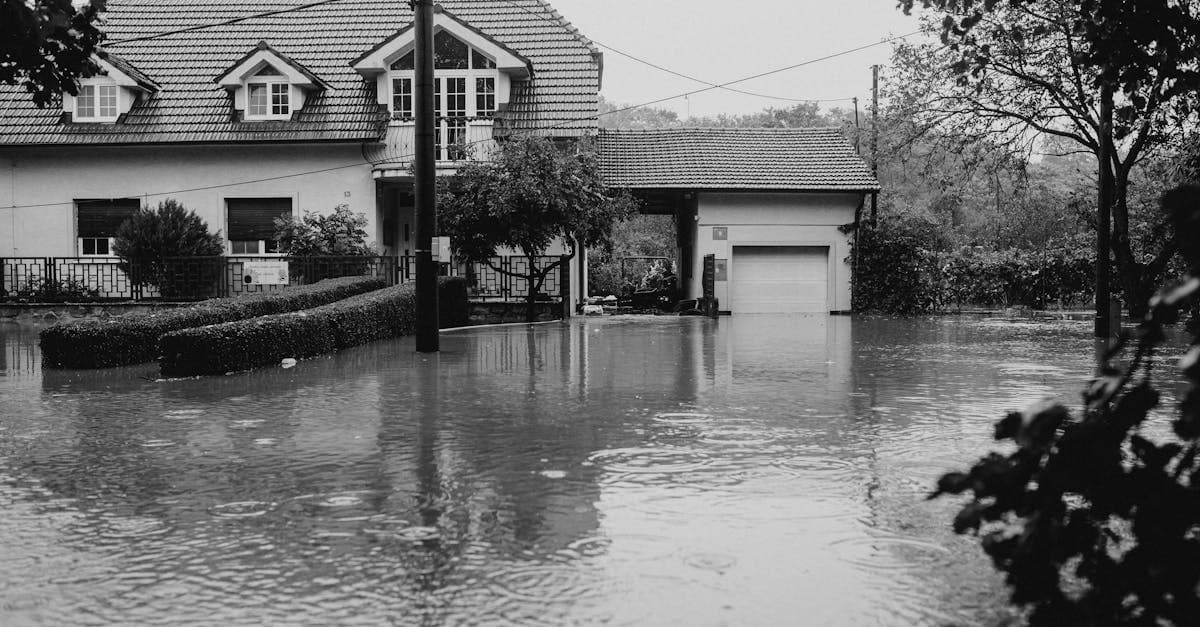
Let's talk about one of the most confusing topics in homeowners insurance — water damage coverage — because the answer to whether your policy pays depends entirely on where the water came from and how it got into your home. Your homeowners policy is the navigational chart that steers homeowners away from the hidden reefs of water damage, mapping every covered and excluded source before a drop reaches your floor. Water damage is the second most common homeowners insurance claim in America, but the coverage landscape is anything but simple. Whether your insurer pays depends on the source of the water, the speed at which it entered your home, and whether you maintained your property properly.
A standard HO-3 homeowners policy covers sudden and accidental water damage from internal sources. A burst pipe that floods your kitchen, a washing machine hose that ruptures, an overflowing bathtub that damages the ceiling below — these events are covered because they are sudden and originate inside your home's systems.
But the coverage stops at a specific line. Gradual water damage from slow leaks is excluded. Flood damage from external water is excluded. Sewer backup is excluded unless you purchase an endorsement. Groundwater seepage is excluded. These exclusions represent the uncharted current that pulls homeowners into financial ruin when water damage strikes and the policy exclusions they never studied leave them without a lifeline.
Most homeowners assume all water damage is covered, but the source and timing determine everything. This guide breaks down every category of water damage — covered and excluded — so you know exactly where you stand before the next drop falls.
Water Damage Mitigation: Your Duty to Prevent Further Loss
Now, this is where it gets interesting. After discovering water damage in your home, your homeowners policy imposes a duty to mitigate — you must take reasonable steps to prevent the damage from worsening. Fulfilling this duty protects your claim, and the costs you incur during mitigation are covered as part of the water damage claim.
What mitigation requires: Stop the water source — shut off the valve, turn off the appliance, or cover a roof opening. Move undamaged items away from standing water. Remove excess water using towels, mops, or a wet vacuum. Begin drying with fans and dehumidifiers immediately.
Professional mitigation coverage: Hiring a professional restoration company for emergency extraction, industrial drying, and antimicrobial treatment is covered when the underlying water damage is covered. Most companies work directly with insurers and can begin work before your claim is formally approved.
What happens if you do not mitigate: Failure to act can reduce or partially deny your claim. Leaving a burst pipe unaddressed over a weekend means your insurer may deny coverage for additional damage that accumulated. Initial damage remains covered, but preventable secondary damage is excluded.
Documenting mitigation efforts: Photograph your mitigation efforts alongside the damage. Keep receipts for all supplies purchased — towels, fans, cleaning products. Document the timeline from discovery through professional restoration to prove you fulfilled your duty to mitigate.
Emergency mitigation costs: Emergency plumber calls, temporary tarping, and hotel stays if the home is unsafe are all covered expenses. Keep all receipts and report these expenses to your insurer promptly.
Roof Leak Water Damage: When Your Policy Pays and When It Does Not
Here is the thing though — Roof leaks are one of the most disputed areas of water damage coverage because coverage depends entirely on why the roof is leaking. This is charting a precise course through the murky waters of water damage coverage so every pipe, drain, and weather event has a mapped insurance response — knowing the distinction saves you from filing claims that will be denied and helps you maintain your home to preserve coverage eligibility.
Covered roof leaks: When a covered peril creates an opening — wind lifting shingles, hail cracking tiles, a fallen tree puncturing the roof — rain entering through that opening is covered water damage along with the structural repair.
Excluded roof leaks: When your roof leaks from age, deterioration, or poor maintenance, the water damage is excluded. A worn roof allowing rain to seep during normal storms is a maintenance issue your insurer expects you to address.
The concurrent causation challenge: Storms often affect aging roofs. Your insurer must determine how much damage was caused by the covered wind event versus pre-existing wear, a determination that frequently generates disputes.
Temporary repair coverage: After storm damage creates a roof opening, your policy expects reasonable temporary repairs like tarping. These costs are covered as part of your duty to mitigate further loss.
Regular roof maintenance: Annual inspections, prompt shingle repair, and proper gutter maintenance document that you maintain your roof. This strengthens your position if an insurer questions whether storm or maintenance failure caused the leak.
Water Damage to Personal Property: What Your Policy Replaces
Now, this is where it gets interesting. When covered water damage destroys your personal belongings, the personal property section of your homeowners policy pays for their repair or replacement. Understanding how this coverage works ensures you recover the full value of your water-damaged items.
Named peril requirement: Personal property under an HO-3 is covered on a named perils basis. Accidental discharge or overflow of water from plumbing, appliances, or HVAC systems is one of the sixteen named perils. Your water event must match this list for personal property coverage to apply.
Replacement cost vs actual cash value: Replacement cost pays for new equivalents at current prices. Actual cash value deducts depreciation — a five-year-old sofa worth two thousand new might pay only eight hundred after depreciation. Upgrade to replacement cost if your policy defaults to actual cash value, as the difference adds up rapidly across an entire household of damaged items.
Sub-limits on water-damaged items: Standard sub-limits apply to water-damaged items just as they apply to stolen items. Electronics, jewelry, and collectibles face caps below actual value. If water destroys expensive items in capped categories, sub-limits significantly reduce your recovery.
Documenting damaged belongings: Create a detailed list of every water-damaged item including description, age, purchase price, and prior condition. Include commonly forgotten items — books, pantry contents, cleaning supplies, holiday decorations stored in affected areas.
Items commonly damaged: Water claims frequently include flooring and rugs, upholstered furniture, electronics, clothing and linens, books, kitchen items, and stored basement belongings. A thorough room-by-room inventory ensures nothing is overlooked in your claim.
How Water Damage Claims Affect Your Insurance Premium
Here is the thing though — Filing a water damage claim has financial consequences beyond your deductible. Understanding how claims affect your premium, your claims history score, and your long-term insurability helps you make informed decisions about when to file and when to pay out of pocket.
The premium impact: A single water damage claim typically increases your homeowners premium by ten to twenty percent at your next renewal. This increase often lasts three to five years. On a two-thousand-dollar annual premium, a fifteen percent surcharge costs nine hundred to fifteen hundred dollars over the surcharge period.
Claims history and CLUE: Every claim is reported to the Comprehensive Loss Underwriting Exchange database, accessible to all insurers. A water damage claim follows you for five to seven years, affecting your premium with any insurer you apply to. Multiple claims within a short period create a pattern that triggers higher surcharges.
The filing threshold decision: Compare your damage cost to your deductible plus expected premium increase. If four thousand in damage minus a one-thousand deductible yields three thousand in insurance payment, but surcharges total fifteen hundred over five years, half your benefit is consumed. Small claims near your deductible often make more financial sense to pay out of pocket.
Non-renewal risk: Multiple water damage claims within three to five years can trigger non-renewal — your insurer declines to continue your policy. Being non-renewed forces you to find new coverage, often at significantly higher rates, and your claims history follows through CLUE.
Claims-free discounts: Many insurers offer five to fifteen percent claims-free discounts. Filing a small water damage claim forfeits this discount in addition to triggering a surcharge, compounding the total premium impact of filing.
Roof Leak Water Damage: When Your Policy Pays and When It Does Not
Here is the thing though — Roof leaks are one of the most disputed areas of water damage coverage because coverage depends entirely on why the roof is leaking. This is charting a precise course through the murky waters of water damage coverage so every pipe, drain, and weather event has a mapped insurance response — knowing the distinction saves you from filing claims that will be denied and helps you maintain your home to preserve coverage eligibility.
Covered roof leaks: When a covered peril creates an opening — wind lifting shingles, hail cracking tiles, a fallen tree puncturing the roof — rain entering through that opening is covered water damage along with the structural repair.
Excluded roof leaks: When your roof leaks from age, deterioration, or poor maintenance, the water damage is excluded. A worn roof allowing rain to seep during normal storms is a maintenance issue your insurer expects you to address.
The concurrent causation challenge: Storms often affect aging roofs. Your insurer must determine how much damage was caused by the covered wind event versus pre-existing wear, a determination that frequently generates disputes.
Temporary repair coverage: After storm damage creates a roof opening, your policy expects reasonable temporary repairs like tarping. These costs are covered as part of your duty to mitigate further loss.
Regular roof maintenance: Annual inspections, prompt shingle repair, and proper gutter maintenance document that you maintain your roof. This strengthens your position if an insurer questions whether storm or maintenance failure caused the leak.
Sewer Backup Coverage: The Endorsement Every Homeowner Needs
Now, this is where it gets interesting. Sewer and drain backups are among the most common and most disgusting home damage events, yet standard homeowners policies exclude them entirely. The good news is that closing this gap is inexpensive and straightforward — a sewer backup endorsement typically costs thirty to seventy-five dollars per year.
Why standard policies exclude it: Insurers classify sewer backup as maintenance-related because aging sewer lines, tree root intrusion, and grease buildup contribute to many events. Municipal system overflows during heavy rain add flood-like exposure that insurers prefer to price separately from standard coverage.
What the endorsement covers: A sewer backup endorsement covers damage from water or sewage backing up through sewer lines, drains, and sump pumps. This includes floor and wall damage, personal property destruction, professional cleanup and sanitation, and structural repairs required by the backup.
Coverage limits: Endorsements typically provide five thousand to twenty-five thousand dollars in coverage. The average claim ranges from seven to fifteen thousand dollars, so selecting a limit at the higher end provides more meaningful protection against severe events.
Sump pump failure: Many sewer backup endorsements also cover sump pump failure or overflow — protecting against two of the most common causes of basement flooding in a single endorsement. If your basement relies on a sump pump, this dual coverage is especially valuable.
The cost-benefit calculation: At thirty to seventy-five dollars per year with average claims exceeding seven thousand dollars, sewer backup coverage is one of the best-value endorsements available. The math strongly favors adding this to every homeowners policy.
Filing a Water Damage Claim: A Step-by-Step Process
Here is the thing though — Filing a water damage claim correctly from the start improves your chances of full coverage and speeds up the payment process. These steps ensure you meet your policy requirements while building the strongest possible claim file.
Step one — stop and document: Shut off the water source if possible. Before touching anything else, photograph and video all damage from multiple angles. Document the water source, the extent of standing water, and all visible damage to structure and personal property.
Step two — begin mitigation: Start removing water and protecting undamaged items. Turn on fans, open windows if weather permits, and begin drying. Hire a professional restoration company for significant events. Keep all receipts and document your efforts with photographs and timestamps.
Step three — contact your insurer: Report the water damage as soon as possible — most policies require prompt notification and delays can complicate claims. Provide a factual description of what happened, when you discovered it, and what immediate steps you have taken to mitigate damage.
Step four — meet the adjuster: Be present during the adjuster's inspection. Point out all areas of damage including potential hidden damage behind walls or under flooring. Provide your photographs, video, and mitigation receipts. Ask questions about coverage determination and the expected timeline.
Step five — track everything: Create a dedicated file for your claim. Keep copies of all communications with your insurer, adjuster, and restoration company. Track every expense including temporary housing, meals, and mitigation costs to ensure complete reimbursement.
What the Numbers Tell Us About Water Damage Coverage
The statistics on water damage reveal both the scale of the risk and the cost of inadequate coverage. Water damage and freezing claims average over twelve thousand dollars per incident. One in fifty insured homes files a water damage claim annually. Claim frequency has increased by over thirty percent in the past decade as aging infrastructure, more powerful appliances, and severe weather events compound the risk.
The denial rate data is equally revealing. Water damage claims are denied at higher rates than most other claim categories, with gradual damage determinations accounting for the majority of denials. Homeowners who file claims without understanding the sudden versus gradual distinction face a significant chance of denial and the premium surcharge that comes with a filed claim regardless of whether it is paid.
The endorsement gap is perhaps the most actionable data point. Fewer than twenty percent of homeowners carry sewer backup endorsements despite average sewer backup claims exceeding seven thousand dollars. The endorsement costs thirty to seventy-five dollars annually — a fraction of one percent of the potential loss. This is one of the most lopsided cost-benefit calculations in consumer insurance.
Flood insurance statistics are similarly compelling. Over forty percent of flood claims come from homeowners outside high-risk flood zones. The average flood claim exceeds fifty thousand dollars. And the average NFIP premium is approximately seven hundred dollars per year. For homeowners in moderate-risk areas, the math favors flood insurance coverage.
Numbers guide better decisions. The data clearly supports adding sewer backup endorsements, considering flood insurance outside high-risk zones, investing in leak detection technology, and maintaining home plumbing systems proactively. Every dollar spent on prevention and endorsements is leveraged against potential losses that are orders of magnitude larger.
Continue reading

The Hidden Exclusions That Make Cheap Insurance Quotes Dangerous
Budget insurance quotes often achieve low prices by excluding coverages that standard policies include. Identifying these hidden exclusions before you buy prevents devastating coverage gaps when you need protection most.

Policy Checkup Checklist: Every Item to Review During Your Annual Review
This comprehensive checklist covers every coverage, limit, deductible, endorsement, discount, and beneficiary designation you should review during your annual policy checkup.

How to Protect Yourself Before Signing an Assignment of Benefits
Before signing any AOB, get a written estimate, verify the contractor is licensed, understand the scope of work, and know your right to rescind. These steps protect your interests.