How Often Florida Snowbirds Should Review Their Auto Insurance


Let's talk about how often you really need to look at your Florida auto insurance — because most drivers wait way too long between reviews. Regular policy review is the regular compass check that keeps Florida drivers on course toward adequate protection. Your auto insurance is not a static product — it is a living financial tool that must adapt to changes in your life, your vehicle, your driving patterns, and Florida's uniquely volatile insurance market.
The concept of policy review frequency starts with a baseline: at minimum, every Florida driver should conduct a thorough review once per year, ideally thirty to sixty days before their renewal date. This timing gives you enough lead time to compare quotes, negotiate with your current carrier, and make changes before the new policy period begins.
But annual reviews are just the starting point. Florida's insurance environment creates additional review triggers that other states do not generate. Legislative changes to the no-fault system, hurricane season preparations, dramatic shifts in the uninsured motorist rate, and the state's high rate of insurance fraud all create conditions where coverage that was adequate six months ago may no longer serve you properly.
The real cost of infrequent reviews is the drifting navigation that leads drivers into coverage gaps they never saw coming. Drivers who skip reviews tend to overpay for coverage that no longer matches their needs while simultaneously carrying gaps they do not know exist. A vehicle that has depreciated below its coverage value, a teenager who has moved off the policy, a credit score that has improved — each of these changes affects your premium and your coverage, but only if you take the time to review and act. Understanding the right review frequency is the foundation of smart insurance management in Florida.
Regularly Evaluating Your Uninsured Motorist Coverage in Florida
Now, this is where it gets interesting. With approximately twenty percent of Florida drivers carrying no insurance at all, uninsured motorist coverage is one of the most important protections available. Regular evaluation of your UM coverage is essential because this risk is the drifting navigation that leads drivers into coverage gaps they never saw coming and it evolves as your financial situation changes.
Why UM coverage needs regular review: Your optimal UM coverage level is tied to your asset level, your income, and your household composition — all of which change over time. A young driver with few assets may need modest UM coverage, while a mid-career professional with a home and retirement savings needs substantially more. Each financial milestone should trigger a UM coverage reassessment.
Stacking election review: Florida allows stacking of UM coverage across multiple vehicles on the same policy. If you have added or removed vehicles since your last review, your stacking election may need adjustment. Adding a vehicle creates an opportunity to increase your effective UM limit through stacking. Removing a vehicle reduces your stacked limit and may require a base coverage increase to maintain adequate protection.
UM coverage relative to liability limits: Insurance professionals generally recommend matching your UM limits to your bodily injury liability limits. If you recently increased your liability coverage but did not adjust your UM coverage, a review corrects this imbalance. The two coverages serve complementary purposes and should move in tandem.
Florida's UM rejection process: Florida requires insurers to offer UM coverage, and drivers who reject it must do so in writing. During your review, verify whether your UM coverage was deliberately chosen or inadvertently rejected. Some drivers discover during reviews that they signed a UM rejection form years ago without fully understanding what they were declining.
Market-responsive UM decisions: Florida's uninsured motorist rate fluctuates with economic conditions. During economic downturns, more drivers drop coverage, increasing the uninsured population and your risk exposure. Monitoring these trends during annual reviews helps you calibrate your UM coverage to the current risk environment.
Reviewing Coverage as Your Florida Vehicle Depreciates
Here is the thing though — Every vehicle on Florida's roads loses value over time, and your insurance coverage should reflect this reality. Reviewing your policy in light of vehicle depreciation is recalibrating your insurance route to match the changing roads of Florida driving life — it prevents you from paying premiums on coverage that exceeds what the insurer would actually pay in a total loss.
Understanding the depreciation-coverage gap: When you purchase a new vehicle, comprehensive and collision coverage protect a high-value asset. As the vehicle depreciates, the maximum payout from these coverages decreases because insurers pay actual cash value — what the vehicle is worth at the time of loss, not what you paid for it. Your premium, however, does not automatically decrease proportionally.
The break-even analysis: Compare your annual comprehensive and collision premium against the potential payout. If your vehicle is worth five thousand dollars and your combined comprehensive and collision premium is eight hundred dollars with a one-thousand-dollar deductible, the maximum net benefit from a total loss claim is four thousand dollars. At that ratio, you are paying a significant percentage of the potential benefit every year.
When to drop or adjust physical damage coverage: There is no universal rule, but many financial advisors suggest evaluating when your vehicle's value drops below three to four times your annual comprehensive and collision premium. At that point, you may save more by self-insuring the vehicle and redirecting the premium savings into an emergency fund or increased liability coverage.
The deductible adjustment alternative: If dropping comprehensive and collision feels too risky, consider raising your deductibles instead. Moving from a five-hundred-dollar to a one-thousand-dollar deductible on an aging vehicle reduces your premium while maintaining some catastrophic protection. The key is ensuring you can absorb the higher deductible from savings.
Florida-specific depreciation factors: Florida's sun, humidity, and salt air can accelerate vehicle depreciation compared to other states. Factor these conditions into your depreciation assessment, as your vehicle may be losing value faster than national depreciation schedules suggest.
How Florida Legislative Changes Affect Your Review Schedule
Now, this is where it gets interesting. Florida's insurance regulations change more frequently than most states, driven by ongoing debates about the no-fault system, PIP reform, rate regulation, and consumer protection. Monitoring these changes and adjusting your review schedule accordingly ensures your coverage remains compliant and optimized.
Recent legislative activity: Florida has considered multiple bills to reform or eliminate the no-fault PIP system, adjust minimum coverage requirements, change the tort threshold for lawsuits, and modify how insurers use credit scores and claims history in pricing. Each of these proposals, if enacted, could significantly affect your coverage needs and costs.
How legislative changes trigger reviews: When new insurance legislation passes, review your policy within thirty days to understand how the changes affect your coverage. Some changes create new requirements you must meet. Others create new options you can take advantage of. A few may make previously important coverages less necessary.
Monitoring sources for Florida insurance legislation: The Florida Office of Insurance Regulation publishes bulletins about regulatory changes. The Florida Department of Financial Services provides consumer alerts about coverage requirements. Insurance industry publications and your agent can also alert you to changes that affect your policy.
The no-fault reform watch: Florida's no-fault system has been under legislative scrutiny for years. If the state transitions to a traditional tort system with mandatory bodily injury liability, every Florida driver will need an immediate comprehensive review. Monitoring this debate prepares you to act quickly if fundamental reform occurs.
The Step-by-Step Florida Insurance Comparison Shopping Process
Here is the thing though — Comparison shopping is the single most effective tool for keeping your Florida premium competitive. Mastering this process is recalibrating your insurance route to match the changing roads of Florida driving life because it converts each review into actionable savings.
Step one — document your current coverage: Before requesting any quotes, pull your declarations page and create a list of every coverage, limit, and deductible on your current policy. This ensures you compare identical coverage across carriers, preventing apples-to-oranges comparisons that lead to poor decisions.
Step two — request quotes from at least five carriers: Florida has dozens of carriers with high rate variability. Include your current insurer, two national carriers, one Florida-specific carrier, and one direct-to-consumer option. Use identical coverage specifications for each quote.
Step three — evaluate beyond price: The cheapest quote is not always the best value. Research each carrier's financial strength rating and claims satisfaction scores. A carrier with excellent claims service may be worth a modest premium increase over a cheaper option with poor reviews.
Step four — negotiate with your current carrier: Share your best competitive quote with your current insurer and ask them to match it. Retention departments often have authority to apply additional discounts or adjust rates. This step saves many drivers hundreds without switching.
Step five — execute the switch cleanly: If switching carriers provides clear savings, coordinate the transition so your new policy starts the day your old policy ends. Confirm cancellation of the old policy in writing and notify your lender if applicable.
Reviewing Coverage as Your Florida Vehicle Depreciates
Here is the thing though — Every vehicle on Florida's roads loses value over time, and your insurance coverage should reflect this reality. Reviewing your policy in light of vehicle depreciation is recalibrating your insurance route to match the changing roads of Florida driving life — it prevents you from paying premiums on coverage that exceeds what the insurer would actually pay in a total loss.
Understanding the depreciation-coverage gap: When you purchase a new vehicle, comprehensive and collision coverage protect a high-value asset. As the vehicle depreciates, the maximum payout from these coverages decreases because insurers pay actual cash value — what the vehicle is worth at the time of loss, not what you paid for it. Your premium, however, does not automatically decrease proportionally.
The break-even analysis: Compare your annual comprehensive and collision premium against the potential payout. If your vehicle is worth five thousand dollars and your combined comprehensive and collision premium is eight hundred dollars with a one-thousand-dollar deductible, the maximum net benefit from a total loss claim is four thousand dollars. At that ratio, you are paying a significant percentage of the potential benefit every year.
When to drop or adjust physical damage coverage: There is no universal rule, but many financial advisors suggest evaluating when your vehicle's value drops below three to four times your annual comprehensive and collision premium. At that point, you may save more by self-insuring the vehicle and redirecting the premium savings into an emergency fund or increased liability coverage.
The deductible adjustment alternative: If dropping comprehensive and collision feels too risky, consider raising your deductibles instead. Moving from a five-hundred-dollar to a one-thousand-dollar deductible on an aging vehicle reduces your premium while maintaining some catastrophic protection. The key is ensuring you can absorb the higher deductible from savings.
Florida-specific depreciation factors: Florida's sun, humidity, and salt air can accelerate vehicle depreciation compared to other states. Factor these conditions into your depreciation assessment, as your vehicle may be losing value faster than national depreciation schedules suggest.
Pre-Hurricane Season Insurance Review for Florida Drivers
Now, this is where it gets interesting. Florida's hurricane season runs from June first through November thirtieth, and a pre-season policy review is the regular compass check that keeps Florida drivers on course toward adequate protection. While auto insurance is not directly affected by hurricane wind coverage debates, comprehensive coverage for your vehicles is critically important during storm season.
Comprehensive coverage check: Hurricane-related vehicle damage — flooding, falling debris, wind-driven objects, and storm surge — is covered under comprehensive insurance. Verify that every vehicle on your policy has comprehensive coverage with an appropriate deductible before storm season begins. Adding comprehensive coverage after a storm has been named may be restricted or impossible.
Deductible assessment for storm season: Some Florida insurers apply separate hurricane or windstorm deductibles that differ from your standard comprehensive deductible. Review your policy language to understand which deductible applies to storm-related claims. A two-percent hurricane deductible on a thirty-thousand-dollar vehicle means a six-hundred-dollar out-of-pocket cost before coverage applies.
Flood damage considerations: Standard comprehensive coverage typically covers flood damage to vehicles. However, verify this with your specific policy. If you live or park in a flood-prone area, understanding your comprehensive coverage's response to water damage is essential before the rainy season intensifies.
Documentation preparation: Before hurricane season, photograph every vehicle from multiple angles and document any existing damage. Store these photos in cloud storage accessible from any location. This documentation expedites comprehensive claims if storm damage occurs and prevents disputes about pre-existing conditions.
Emergency planning and coverage: Review your roadside assistance, rental reimbursement, and towing coverage before storm season. Post-hurricane, these coverages become critical as damaged vehicles need towing and displaced drivers need transportation. Verifying these coverages before you need them prevents frustrating gaps during stressful circumstances.
The Retirement Policy Review for Florida Drivers
Here is the thing though — Retirement represents one of the most significant insurance review triggers in a Florida driver's life. Nearly every aspect of your auto insurance changes when you stop working, from your daily mileage to your liability exposure to your available discounts.
Mileage reduction and premium impact: Retirees typically drive significantly fewer miles than commuters. Reporting your reduced annual mileage to your insurer can produce meaningful premium savings. Many carriers offer specific low-mileage discounts, and telematics programs can verify your reduced driving for additional credits.
Coverage level reassessment at retirement: Retirement changes your liability calculus. On one hand, you may have more accumulated assets to protect, suggesting higher liability limits. On the other hand, future wage garnishment risk decreases when you no longer earn employment income. Balancing these factors requires a thorough review of your liability limits and umbrella coverage.
Medicare and PIP coordination: Transitioning to Medicare affects how your PIP coverage coordinates with medical insurance. Review your PIP deductible election and coordination method when Medicare coverage begins. The optimal PIP configuration for a Medicare recipient differs from that of someone with employer-sponsored health insurance.
Vehicle consolidation opportunities: Some retirees reduce from two vehicles to one, creating opportunities to simplify coverage, eliminate duplicate policies, and potentially reduce premiums. Review whether your household's vehicle count still matches your driving needs and adjust your policy accordingly.
Mature driver discounts: Florida offers insurance discounts for drivers who complete approved mature driver courses. These courses are available to drivers over fifty-five and can reduce premiums by up to ten percent. Retirement is the ideal time to complete the course and request the credit during your next review, combining the discount with your reduced mileage savings.
What the Data Tells Florida Drivers About Review Frequency
The evidence supporting regular policy reviews is overwhelming. Drivers who shop annually save ten to twenty percent on average. Florida's carrier rate variability means identical coverage can differ by over a thousand dollars between the cheapest and most expensive options. And life changes that affect coverage occur with sufficient frequency that annual reviews alone miss critical adjustment opportunities.
The data also shows that most drivers significantly under-review their policies. Industry surveys consistently find that fewer than a third of drivers shop their coverage annually, and the majority cannot accurately state their coverage limits, deductibles, or discounts. This knowledge gap directly translates to overpayment and underprotection.
Florida-specific data reinforces the need for above-average review frequency. The state's high uninsured motorist rate means UM coverage decisions deserve regular scrutiny. Legislative reform activity means coverage requirements could change at any session. Hurricane exposure creates seasonal coverage concerns that other states do not face. And the state's premium levels — among the highest nationally — magnify the dollar impact of every percentage point saved through regular reviews.
The numbers are clear: Florida drivers who commit to annual reviews with quarterly check-ins and event-triggered assessments maintain better coverage at lower costs than those who passively renew. The financial case for regular reviews is not theoretical — it is demonstrated by the consistent savings and coverage improvements that engaged drivers achieve year after year.
Continue reading

The Hidden Exclusions That Make Cheap Insurance Quotes Dangerous
Budget insurance quotes often achieve low prices by excluding coverages that standard policies include. Identifying these hidden exclusions before you buy prevents devastating coverage gaps when you need protection most.
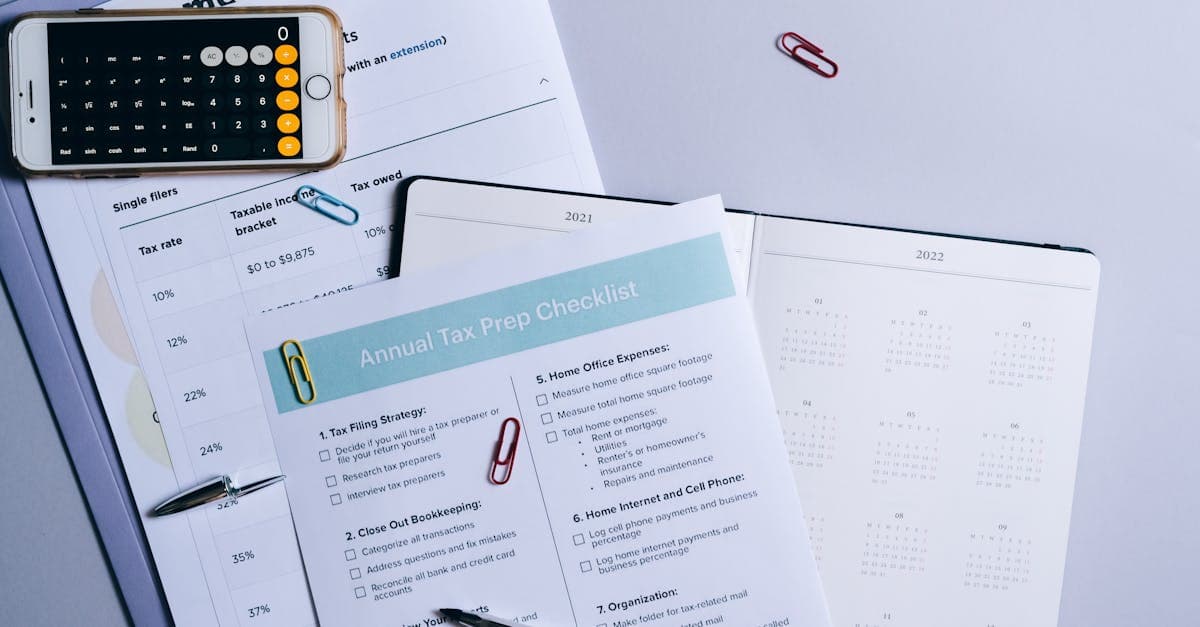
Policy Checkup Checklist: Every Item to Review During Your Annual Review
This comprehensive checklist covers every coverage, limit, deductible, endorsement, discount, and beneficiary designation you should review during your annual policy checkup.

How to Protect Yourself Before Signing an Assignment of Benefits
Before signing any AOB, get a written estimate, verify the contractor is licensed, understand the scope of work, and know your right to rescind. These steps protect your interests.