Outdoor Property and Flood Insurance: Why Your Patio Furniture Is Not Covered

Let's walk through something that catches a lot of flood insurance policyholders off guard — the list of things your flood policy actually does not cover. Understanding flood insurance exclusions is the chart that marks the shallow waters and hidden reefs so you know exactly where your flood policy provides safe passage and where it leaves you exposed. Knowing these gaps lets you plan for the costs your policy will not cover — before floodwater forces you to learn the hard way.
The standard NFIP flood insurance policy provides building coverage up to $250,000 and contents coverage up to $100,000. Those numbers sound comprehensive, but the unmarked shoal that wrecks your financial plans because you assumed your flood insurance covered everything without reading the navigation warnings. The policy excludes entire categories of property and financial losses that many homeowners assume are covered.
Vehicles parked in your garage or driveway are excluded. Currency, precious metals, and valuable papers are excluded. Additional living expenses while your home is being repaired are excluded. Most basement finishing materials and personal property stored below grade face severe limitations. Land value, landscaping, outdoor structures, and property outside the building footprint are all excluded.
These exclusions matter because they represent real costs that flood victims must pay from their own resources. A homeowner with a $40,000 flood damage event might receive a $25,000 insurance payment after exclusions, deductibles, and basement limitations reduce the covered amount. The $15,000 difference comes from savings, credit, or deferred repairs.
Understanding every exclusion in your flood policy empowers you to make informed decisions about supplemental coverage, emergency savings, and preventive measures that protect the items and costs your flood insurance will not.
Private Flood Insurance: Fewer Exclusions, Different Tradeoffs
Here is the thing though — Private flood insurance policies may offer coverage for several items that the NFIP excludes. Understanding these differences helps you decide whether a private policy better addresses your specific coverage needs.
Additional living expenses: Some private flood insurers include additional living expense coverage that the NFIP does not provide. This coverage pays for temporary housing and increased living costs during flood repairs — filling one of the most impactful NFIP gaps.
Broader basement coverage: Certain private policies cover finished basement improvements including drywall, flooring, and built-in features that the NFIP excludes. For homeowners with significant basement investments, this expanded coverage can be worth the premium.
Replacement cost contents: While NFIP contents claims are paid at actual cash value, some private flood policies offer replacement cost coverage for personal property. This eliminates the depreciation gap that reduces NFIP contents claim payments.
Higher coverage limits: The NFIP caps building coverage at $250,000 and contents at $100,000. Private flood insurers may offer higher limits for homes that exceed these values, providing more complete protection for expensive properties.
Loss of rental income: Some private policies cover lost rental income for landlords — a significant gap in NFIP coverage for investment property owners whose rental income stops during flood repairs.
Important considerations: Private flood policies vary significantly between insurers. Not all private policies cover all NFIP exclusions. Read policy language carefully, compare specific coverage terms, and verify the insurer's financial stability before choosing a private policy over the NFIP.
Practical response: Request quotes from both the NFIP and at least one private flood insurer. Compare not just premiums but specific exclusions, coverage features, and claim payment methods. The right choice depends on which exclusions matter most for your specific property and situation.
Land Value, Erosion, and Earth Movement Exclusions
Here is the thing though — Flood insurance covers buildings and their contents but specifically excludes the land on which they sit. This exclusion extends to erosion damage, land subsidence, and changes to the property's terrain caused by floodwater.
Land value: The value of your land is never covered by flood insurance. If flooding reduces your property value by changing the terrain, depositing contaminated soil, or eroding the lot, the reduction in land value is not an insured loss.
Erosion damage: Gradual erosion caused by repeated flooding or sustained water flow is excluded from flood insurance. Even sudden erosion during a single flood event may face coverage challenges if the insurer determines it constitutes earth movement rather than direct flood damage.
Earth movement: Landslides, sinkholes, and subsidence triggered or worsened by flooding are generally excluded from flood insurance. The distinction between mudflow, which is covered, and earth movement, which is excluded, can determine whether a claim is paid or denied.
Mudflow coverage: NFIP policies do cover mudflow — defined as a river of liquid mud flowing down a slope. This is a narrow coverage that applies to specific conditions rather than a broad coverage for all soil-related flood damage.
Soil contamination: Floodwater can deposit contaminated sediment on your property from upstream sources. The cost of testing and removing contaminated soil is generally not covered under flood insurance, even though the contamination was delivered by the insured flood event.
Practical response: Understand that your property's land is self-insured against flood damage. Maintain erosion control measures including proper grading, vegetation, and drainage. And recognize that properties in erosion-prone areas face land value risks that flood insurance does not address.
Specific Contents Exclusions: Personal Property Your Policy Skips
Now, this is where it gets interesting. Beyond the basement restrictions and high-value item exclusions, flood insurance contents coverage has additional specific exclusions that affect common household items and categories of personal property.
Animals and livestock: Flood insurance does not cover pets, animals, fish, birds, or any living creatures. Veterinary costs for animals injured during flooding and the replacement value of animals lost to floodwater are excluded.
Motor vehicles: All self-propelled vehicles including cars, trucks, motorcycles, ATVs, and riding mowers are excluded from contents coverage. These are considered auto insurance items.
Boats and watercraft: Boats, kayaks, canoes, jet skis, and their motors and trailers are excluded from flood insurance contents coverage regardless of where they are stored.
Business property and inventory: Property used primarily for business purposes may face coverage limitations under residential flood insurance. Business inventory, commercial equipment, and professional tools may need separate commercial coverage.
Property outside the building: Personal property located outside the insured building — in the yard, on the porch, in a detached shed — is not covered under your flood insurance contents policy. Contents coverage applies only to eligible items inside the insured building.
Items in excluded locations: Personal property stored in basements and below-grade areas faces the NFIP basement restrictions. Only specific items like washers, dryers, freezers, and their contents are covered below grade. All other personal property in basements is excluded.
Practical response: Inventory your personal property and identify items that fall into excluded categories. Store valuable items above grade whenever possible. Maintain separate insurance for vehicles, boats, and high-value collections. And understand that flood insurance contents coverage, while valuable, does not cover everything you own.
Outdoor Property and Landscaping Exclusions
Here is the thing though — Flood insurance coverage stops at the building footprint. Property located outside the insured building — regardless of its value — is excluded from standard NFIP flood insurance coverage.
Landscaping: Trees, shrubs, lawns, flower gardens, and all other landscaping are excluded from flood insurance. Professional landscaping that cost thousands of dollars to install has no flood insurance protection. Floodwater that destroys mature trees, erodes planting beds, and deposits debris across your yard creates damage you must pay to repair entirely out of pocket.
Fences and gates: All fencing, gates, and boundary structures are excluded from flood insurance. Privacy fences, decorative fences, and functional fences destroyed or damaged by floodwater are the homeowner's full responsibility.
Outdoor structures: Decks, patios, porches, gazebos, pergolas, arbors, outdoor kitchens, and similar structures outside the building footprint are excluded. These outdoor living spaces can represent tens of thousands of dollars in investment with zero flood insurance protection.
Swimming pools and hot tubs: Swimming pools, hot tubs, spas, and their mechanical systems are excluded from flood insurance coverage. Flood damage to pool equipment, liners, and decking comes entirely out of pocket.
Outdoor furniture and equipment: Patio furniture, grills, outdoor cooking equipment, playground equipment, and lawn equipment stored outside the building are all excluded from flood insurance coverage.
Driveways and walkways: Paved driveways, walkways, retaining walls, and hardscaping outside the building footprint are excluded. Flood damage that cracks driveways, undermines walkways, or topples retaining walls creates uncovered repair costs.
Practical response: Accept that outdoor property is self-insured against flood damage. Secure or relocate moveable outdoor items when flooding threatens. And factor outdoor property restoration costs into your emergency planning — landscaping, fencing, and hardscaping restoration can cost $5,000 to $20,000 or more after significant flooding.
Flood Prevention and Mitigation Cost Exclusions
Now, this is where it gets interesting. The costs of actively preventing or reducing flood damage to your home are not covered by flood insurance, even when those preventive measures successfully protect your property and reduce the insurer's claim payout.
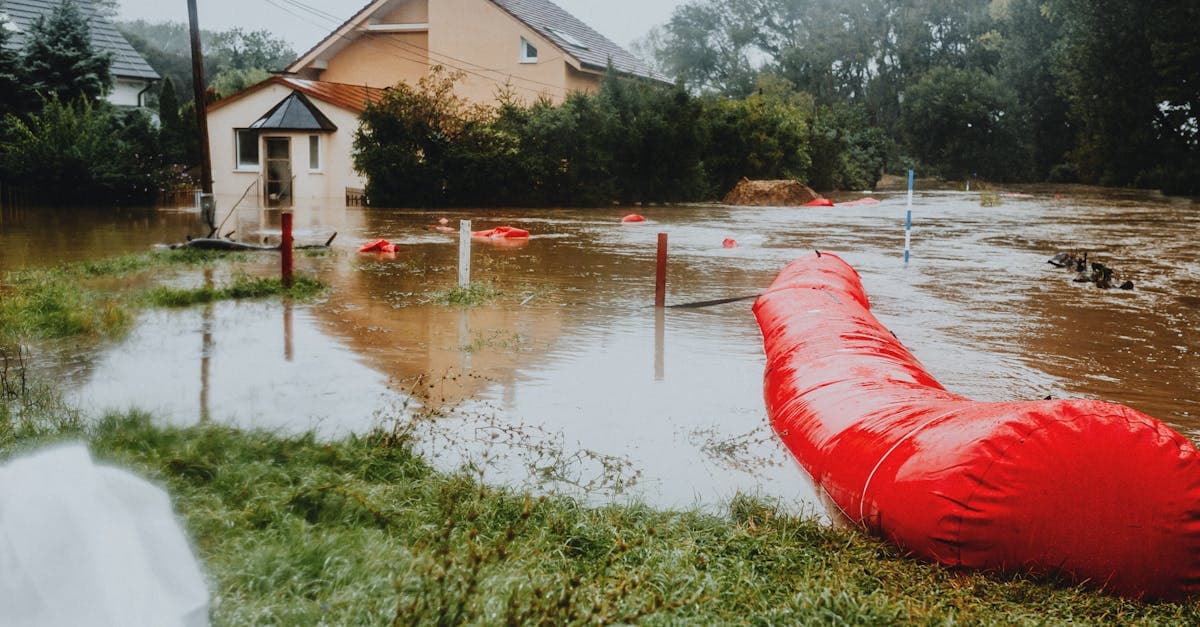
Sandbagging and barriers: The cost of purchasing, filling, and placing sandbags or temporary flood barriers around your home is not covered by flood insurance. Whether you buy sandbags from a hardware store or hire a crew to install temporary barriers, these costs are entirely out of pocket.
Water pumping: If you pump water away from your home during a flood event — renting pumps, buying fuel, or hiring emergency services — these costs are not covered by your flood policy even if the pumping prevents significant damage.
Emergency boarding and waterproofing: Temporary measures to seal windows, doors, and other openings against rising water are not covered. The materials and labor costs for these emergency actions fall on the homeowner.
Moving belongings to safety: The cost of transporting furniture, electronics, and other belongings out of flood-threatened areas of your home is not an insured expense. Professional movers, truck rentals, and storage facility fees during a flood event are the homeowner's responsibility.
Post-flood security: Securing your flood-damaged home against theft, vandalism, or weather — boarding windows, installing temporary fencing, hiring security — is not covered by flood insurance.
The paradox: Homeowners who invest time and money in flood prevention may reduce their insured losses but cannot recover the prevention costs. The incentive structure does not reward proactive flood mitigation through insurance reimbursement, even though prevention benefits both the homeowner and the insurer.
Practical response: Budget for flood prevention costs as part of your emergency preparedness plan. Keep sandbags, plastic sheeting, and other prevention materials on hand. And recognize that the money you spend preventing flood damage — while not reimbursable — is almost always less than the damage it prevents.
Currency, Precious Metals, and Valuable Papers
Now, this is where it gets interesting. Flood insurance specifically excludes several categories of high-value portable items that can represent significant financial losses when destroyed by floodwater.
Currency and cash: Paper currency and coins stored in your home are not covered by flood insurance. Whether kept in a desk drawer, a home safe, or a filing cabinet, cash destroyed by floodwater is a total loss with no insurance recovery. Some homeowners keep emergency cash at home without realizing this exclusion exists.
Precious metals: Gold, silver, platinum, and other precious metals in any form — bullion, coins, bars, or jewelry containing precious metals valued primarily for their metal content — are excluded from flood insurance coverage.
Stock certificates and securities: Physical stock certificates, bond certificates, and other negotiable securities are excluded. While most modern securities are held electronically, homeowners with physical certificates should store them in a safe deposit box or other off-site location.
Valuable papers and documents: Manuscripts, deeds, titles, personal papers, and important documents are excluded from flood insurance. The cost of replacing these documents — or the irreplaceable nature of items like family records and manuscripts — makes this exclusion particularly impactful.
Stamps, coins, and collectible currency: Coin collections, stamp collections, and collectible currency are excluded from standard flood insurance contents coverage. These collections require separate collectors insurance or valuable items policies for protection.
Practical response: Minimize the amount of currency, precious metals, and important documents stored in flood-vulnerable areas of your home. Use safe deposit boxes or fireproof and waterproof safes for irreplaceable items. Digitize important documents and store backups in cloud storage. And consider specialized insurance for valuable collections that flood insurance will not cover.
Building Code Upgrades and Increased Cost of Compliance
Here is the thing though — When flood damage requires substantial rebuilding, local building codes may mandate upgrades that exceed your flood insurance coverage. The cost of bringing your home up to current codes creates an expense that your standard flood insurance may not fully cover.
The compliance requirement: After significant flood damage, many jurisdictions require that repairs meet current building codes rather than the codes in effect when the home was originally built. This can include flood elevation requirements, wind resistance standards, electrical code upgrades, and energy efficiency mandates.
NFIP Increased Cost of Compliance coverage: NFIP policies include a limited Increased Cost of Compliance benefit — up to $30,000 — that helps pay for bringing a substantially damaged building into compliance with local flood management ordinances. This applies only when the building is declared substantially damaged, meaning damage equals or exceeds 50 percent of the building's market value.
Limitations of ICC coverage: The $30,000 ICC limit may not cover the full cost of compliance, particularly for substantial elevation projects or major structural modifications. And ICC coverage is only triggered by substantial damage determinations — lesser damage that still requires code upgrades may not qualify.
The gap beyond ICC: Building code upgrades that exceed the $30,000 ICC benefit come out of pocket. For homes that need significant elevation, foundation modification, or structural reinforcement to meet current codes, these costs can add tens of thousands of dollars beyond the ICC payment.
Local ordinance variations: Building code requirements vary by jurisdiction. Some areas have adopted strict flood-resistant building standards that require expensive modifications. Understanding your local requirements before a flood helps you anticipate potential compliance costs.
Practical response: Learn your local building code requirements for flood-damaged buildings. Understand the substantial damage threshold and how it is determined. Consider whether a private flood policy offers broader code upgrade coverage than the NFIP ICC benefit. And include potential code compliance costs in your emergency financial planning.
The Numbers Behind Flood Insurance Exclusions
The financial impact of flood insurance exclusions is measurable and significant. When you compare total flood damage costs against what flood insurance actually pays, the exclusion gap becomes clear.
A typical $50,000 flood damage event might produce a flood insurance payment of $30,000 to $38,000 after deductibles, basement exclusions, depreciation, and excluded property categories. The remaining $12,000 to $20,000 comes from the homeowner's resources.
Basement exclusions alone can represent $10,000 to $30,000 in uncovered losses for homes with finished basements. Vehicle damage adds $5,000 to $20,000. Temporary housing costs add $3,000 to $12,000 for a multi-month repair. Landscaping and outdoor property add $2,000 to $10,000. These excluded costs accumulate quickly.
The data supports a clear conclusion: flood insurance is essential but insufficient by itself. Policyholders who supplement their flood insurance with auto coverage, sewer backup coverage, emergency savings, and preventive measures achieve the most complete protection against flood-related financial losses.
The most cost-effective time to address flood insurance gaps is before a flood event — when you have time to compare options, build savings, and implement prevention measures at your own pace rather than under the pressure of an active flood recovery.
Continue reading

The Hidden Exclusions That Make Cheap Insurance Quotes Dangerous
Budget insurance quotes often achieve low prices by excluding coverages that standard policies include. Identifying these hidden exclusions before you buy prevents devastating coverage gaps when you need protection most.

Policy Checkup Checklist: Every Item to Review During Your Annual Review
This comprehensive checklist covers every coverage, limit, deductible, endorsement, discount, and beneficiary designation you should review during your annual policy checkup.

How to Protect Yourself Before Signing an Assignment of Benefits
Before signing any AOB, get a written estimate, verify the contractor is licensed, understand the scope of work, and know your right to rescind. These steps protect your interests.