Florida Assignment of Benefits Reform: What Homeowners Need to Understand

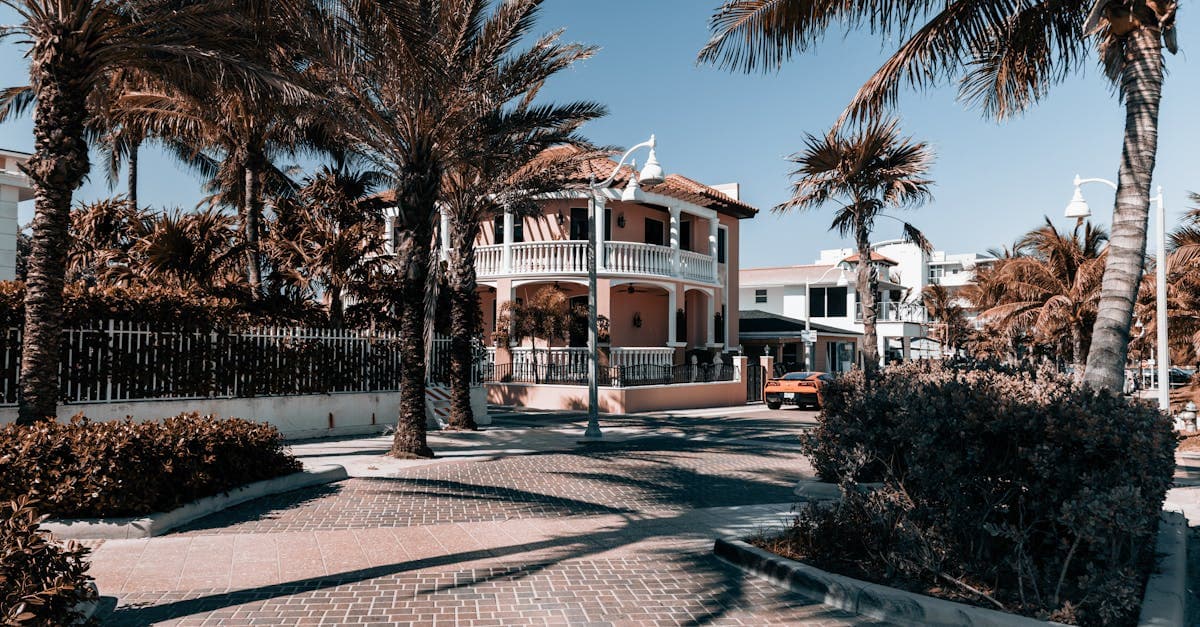
Let's walk through the questions that matter most when you are buying homeowners insurance in Florida, because this state has more coverage traps than almost anywhere else. Buying homeowners insurance in Florida is the detailed nautical chart that helps Florida homeowners steer clear of coverage gaps hiding beneath deceptively calm policy language. The state's unique combination of hurricanes, flooding, sinkholes, and a volatile insurance market creates coverage complexities that homeowners in most other states never encounter.
The questions you ask before purchasing a Florida homeowners policy determine whether you have genuine protection or an expensive document that fails when you need it most. That failure is the unmarked reef that tears through a homeowner's financial hull when a hurricane claim reveals the policy never covered what they assumed. Too many Florida homeowners learn this lesson the hard way during their first major claim — discovering that their hurricane deductible is a percentage of their dwelling coverage, that flood damage is completely excluded, or that their insurer lacks the financial strength to pay claims after a major storm.
Florida is not like other states when it comes to homeowners insurance. The premium you pay is among the highest in the nation. The risks you face — from Category 5 hurricanes to sinkholes to daily thunderstorm damage — are severe and varied. And the insurance market itself is less stable than most, with insurers entering and leaving the state regularly.
This guide provides the essential questions every Florida homeowner should ask before buying a policy. Each question addresses a specific coverage trap, exclusion, or limitation that could cost you thousands if you do not identify it before signing. Armed with these questions, you can evaluate policies with confidence and avoid the gaps that devastate unprepared homeowners.
Understanding Florida Hurricane Deductibles
Here is the thing though — Knowing how your hurricane deductible works is the detailed nautical chart that helps Florida homeowners steer clear of coverage gaps hiding beneath deceptively calm policy language. Florida hurricane deductibles are fundamentally different from standard all-other-perils deductibles, and this difference catches homeowners off guard every storm season.
Percentage-based calculation: Florida hurricane deductibles are typically expressed as a percentage of your dwelling coverage — usually 2 percent, 5 percent, or sometimes 10 percent. On a home insured for $400,000, a 2 percent hurricane deductible is $8,000, and a 5 percent deductible is $20,000.
When the hurricane deductible applies: The hurricane deductible triggers when the National Hurricane Center declares a hurricane and your property sustains wind damage from that event. Some policies trigger on any named storm, which has a lower threshold than a hurricane declaration.
One deductible per season vs per storm: Florida policies typically apply the hurricane deductible once per calendar year rather than per storm. If two hurricanes strike in the same season, you pay the deductible once, not twice.
Choosing your deductible level: Lower percentage deductibles cost more in annual premium but reduce your out-of-pocket costs on claims. Higher percentage deductibles reduce premiums but increase your financial exposure. Calculate the actual dollar amount at each percentage level before choosing.
Deductible buy-back options: Some Florida insurers offer deductible buy-back endorsements that reduce your hurricane deductible for an additional premium. This can be cost-effective for homeowners who want lower out-of-pocket costs but still want the base premium benefit of a higher deductible.
The essential question to ask: Ask your agent to calculate your hurricane deductible in actual dollars at each available percentage level, and compare the annual premium difference against the out-of-pocket difference on a potential claim.
Loss of Use Coverage: Florida-Specific Questions
Here is the thing though — When a hurricane or other covered event makes your Florida home uninhabitable, loss of use coverage — also called additional living expenses coverage — pays for temporary housing, meals, and other costs while your home is repaired. The details matter.
Coverage A percentage basis: Loss of use coverage is typically set at 20 percent of your dwelling coverage amount. On a $400,000 home, that provides up to $80,000 for temporary living expenses. Verify this percentage and calculate the dollar amount for your specific policy.
What it covers: Loss of use pays for hotel or rental housing, restaurant meals beyond your normal food costs, additional commuting expenses, storage fees, laundry services, and other reasonable costs incurred because you cannot live at home.
Duration limitations: Some Florida policies cap loss of use coverage at a specific time period, such as 12 or 24 months, rather than just a dollar amount. After a major hurricane, repairs can take longer than expected, and a time limit can exhaust your coverage before your home is ready.
Post-hurricane housing costs: After a major Florida hurricane, temporary housing costs spike dramatically as demand exceeds supply. Hotels raise rates, rental properties become scarce, and displacement can last months. Your loss of use coverage must account for these inflated costs.
Evacuation expenses: Some Florida policies include coverage for evacuation expenses ordered by civil authority even before damage occurs to your home. This can help cover hotel and travel costs during mandatory evacuation orders.
The essential question to ask: Ask your agent for the exact dollar limit and time limit on your loss of use coverage, what expenses qualify, whether evacuation costs are covered, and whether the coverage amount is realistic given post-hurricane housing costs in your area.
Personal Property Coverage Questions for Florida Homeowners
Now, this is where it gets interesting. Your personal property coverage protects the contents of your Florida home — furniture, electronics, clothing, appliances, and everything else you own. Getting this coverage right requires asking specific questions about limits, valuations, and sub-limits.
Coverage A percentage: Personal property coverage is typically set at 50 to 70 percent of your dwelling coverage. On a $400,000 home, that provides $200,000 to $280,000 in contents coverage. Many homeowners have more personal property than they realize.
Replacement cost vs actual cash value for contents: Replacement cost coverage pays to replace damaged items with new equivalents. Actual cash value deducts depreciation. A five-year-old television covered at replacement cost gets replaced with a new equivalent. At actual cash value, you receive the depreciated value of the old TV.
Sub-limits on specific categories: Florida homeowners policies impose sub-limits on specific item categories including jewelry (typically $1,500), cash ($200), firearms ($2,500), silverware ($2,500), and business equipment ($2,500). If you own valuable items in these categories, the sub-limits may leave you seriously underinsured.
Scheduled personal property: Items that exceed sub-limits can be individually scheduled on your policy for their full appraised value. Scheduling provides broader coverage — often including accidental loss — and eliminates the deductible for those items.
Off-premises coverage: Personal property coverage typically extends to belongings away from home, but at reduced limits — often 10 percent of your personal property coverage. This matters for Florida homeowners who travel with valuable items.
The essential question to ask: Ask your agent whether your personal property is covered at replacement cost or actual cash value, what sub-limits apply to specific item categories, whether scheduling is available for high-value items, and how coverage works for belongings away from home.
How to Compare Florida Homeowners Insurance Quotes Effectively
Here is the thing though — Comparing Florida homeowners insurance quotes requires looking beyond premium price to coverage details that determine what you actually receive when you file a claim.
Standardize coverage for comparison: When requesting multiple quotes, ensure each quote has the same dwelling coverage amount, same personal property coverage, same liability limits, and same deductible structure. Different coverage levels make premium comparisons meaningless.
Compare hurricane deductible options: Each insurer may offer different hurricane deductible percentages. Compare the annual premium at each deductible level and calculate your actual dollar out-of-pocket at each percentage.
Evaluate included endorsements: Some Florida policies include endorsements like sewer backup, equipment breakdown, or identity theft in the base policy. Others charge extra. Factor the cost of needed endorsements into your total premium comparison.
Check replacement cost terms: Verify whether each quote provides replacement cost or actual cash value for both the dwelling and personal property. Also check whether the policy offers extended replacement cost and at what percentage.
Review exclusions and limitations: The cheapest quote may have the most restrictive exclusions. Compare policy forms carefully for differences in water damage coverage, mold limits, and other coverage areas where Florida policies vary.
Verify insurer financial strength: A lower premium from a financially weak insurer is not a bargain if the company cannot pay claims after a hurricane. Factor financial stability into your comparison alongside price.
The essential question to ask: Ask each agent for an apples-to-apples quote with identical coverage levels, and then compare not just the premium but the deductible structure, included endorsements, replacement cost terms, exclusions, and insurer financial ratings.
Equipment Breakdown Coverage for Florida Homes
Now, this is where it gets interesting. Florida's climate puts extraordinary strain on home mechanical systems. Air conditioning runs nearly year-round, electrical systems face frequent lightning strikes, and pool equipment operates continuously. Equipment breakdown coverage addresses failures that standard homeowners policies do not.
What standard policies exclude: Your homeowners policy covers damage from external events like fire, wind, and theft. It does not cover mechanical or electrical breakdown from internal failure — a compressor that burns out, an electrical panel that shorts, or a water heater that fails mechanically.
What equipment breakdown covers: This endorsement covers the cost of repairing or replacing home systems and appliances that fail due to mechanical breakdown, electrical failure, or power surge damage. Covered items typically include HVAC systems, water heaters, electrical panels, kitchen appliances, and pool equipment.
Lightning and power surge relevance: Florida leads the nation in lightning strikes per capita. Lightning-induced power surges damage electronics, appliances, and HVAC components regularly. Equipment breakdown coverage with power surge protection addresses this frequent Florida risk.
Cost and availability: Equipment breakdown endorsements typically cost $25 to $75 per year in Florida — a modest investment given the cost of replacing an HVAC system ($5,000 to $15,000) or a major appliance ($500 to $3,000).
Pool equipment coverage: Florida pool owners benefit significantly from equipment breakdown coverage because pool pumps, heaters, filters, and automation systems are expensive to replace and subject to mechanical failure.
The essential question to ask: Ask your agent whether equipment breakdown coverage is available on your policy, what specific items it covers, whether it includes power surge protection, and how the coverage limit compares to the replacement cost of your major home systems.
Evaluating Your Florida Insurer's Financial Stability
Now, this is where it gets interesting. In a state where multiple insurers have gone insolvent in recent years, asking about your insurer's financial strength is not optional — it is essential for ensuring your claims will actually be paid when disaster strikes.
Why it matters in Florida: Florida's insurance market is uniquely volatile. The combination of hurricane exposure, litigation costs, and regulatory pressures has driven several insurers into insolvency or receivership. When your insurer fails, your claims may be delayed, reduced, or transferred to a different entity.
AM Best ratings: AM Best is the primary rating agency for insurance companies. Look for carriers rated A- (Excellent) or better. Ratings below B+ indicate potential financial concerns. Ask your agent for your insurer's current AM Best rating.
Demotech ratings: Many smaller Florida insurers that do not carry AM Best ratings are rated by Demotech. A Demotech rating of A (Exceptional) or A' is generally acceptable for mortgage lenders. Ask which rating agency evaluates your insurer and what the current rating is.
Florida Insurance Guaranty Association: If your insurer becomes insolvent, the Florida Insurance Guaranty Association covers claims up to $300,000 per claim. However, FIGA coverage can involve delays, limitations, and the need to find replacement coverage quickly in a potentially tight market.
Reinsurance and capitalization: Well-managed Florida insurers maintain strong reinsurance programs that transfer a portion of their catastrophe risk to larger, global reinsurers. Ask whether your insurer has adequate reinsurance for a major hurricane season.
The essential question to ask: Ask your agent for the insurer's AM Best or Demotech rating, how long the company has been writing Florida homeowners policies, and how the company performed financially during recent active hurricane seasons.
Ensuring Adequate Replacement Cost Coverage in Florida
Here is the thing though — Replacement cost coverage is the cornerstone of your Florida homeowners policy, and getting the amount right is critical. Underinsurance is one of the most common and costly problems Florida homeowners face after a major loss.
Replacement cost vs market value: Your dwelling coverage should reflect the cost to rebuild your home at today's construction prices, not its real estate market value or purchase price. In Florida, rebuild costs often differ significantly from market value due to land values, location premiums, and construction costs.
Post-hurricane demand surge: After a major Florida hurricane, construction labor and material costs spike dramatically as demand for repairs overwhelms local capacity. Demand surge can increase rebuilding costs by 20 to 40 percent. Your replacement cost estimate should account for this potential.
Extended replacement cost options: Some Florida insurers offer extended replacement cost coverage that pays 25 percent or more above your dwelling coverage limit if actual rebuilding costs exceed your policy amount. This buffer protects against underinsurance.
Guaranteed replacement cost: A few Florida insurers offer guaranteed replacement cost coverage that pays whatever it costs to rebuild your home regardless of the policy limit. This is the strongest protection against underinsurance but is less commonly available in Florida.
Regular coverage reviews: Florida construction costs have risen significantly in recent years. Review your dwelling coverage amount annually and adjust upward as rebuilding costs increase. An amount that was adequate three years ago may leave you underinsured today.
The essential question to ask: Ask your agent how your dwelling coverage amount was calculated, whether it accounts for post-hurricane demand surge, whether extended or guaranteed replacement cost is available, and when the coverage amount was last reviewed against current construction costs.
The Numbers Behind Smart Florida Insurance Buying
The financial case for asking thorough questions before buying Florida homeowners insurance is compelling. Consider these numbers.
A 2 percent hurricane deductible on a $400,000 home costs you $8,000 out of pocket per claim. Choosing a 5 percent deductible saves premium but increases your exposure to $20,000. The premium difference between these options is typically $500 to $1,500 per year — knowing this calculation before choosing can save you thousands.
Wind mitigation discounts save Florida homeowners 20 to 50 percent on premiums. On a $3,000 annual premium, that is $600 to $1,500 in savings every year. The wind mitigation inspection costs $75 to $150 — one of the best investments a Florida homeowner can make.
Average flood damage costs $30,000 to $50,000 or more. A flood insurance policy for lower-risk Florida properties can cost as little as $400 to $700 per year. The math overwhelmingly favors purchasing flood coverage.
Insurer insolvency has affected tens of thousands of Florida policyholders in recent years. Checking financial strength ratings costs nothing and takes minutes. The protection it provides against claim payment failures is invaluable.
Every data point reinforces the same conclusion: the time you spend asking questions and comparing options before buying is the most valuable investment in your Florida homeowners insurance.
If you're a Florida driver, Truscott's quick reference on Florida's minimum car insurance requirements is worth bookmarking — minimums are lower than most people assume.
Continue reading

The Hidden Exclusions That Make Cheap Insurance Quotes Dangerous
Budget insurance quotes often achieve low prices by excluding coverages that standard policies include. Identifying these hidden exclusions before you buy prevents devastating coverage gaps when you need protection most.
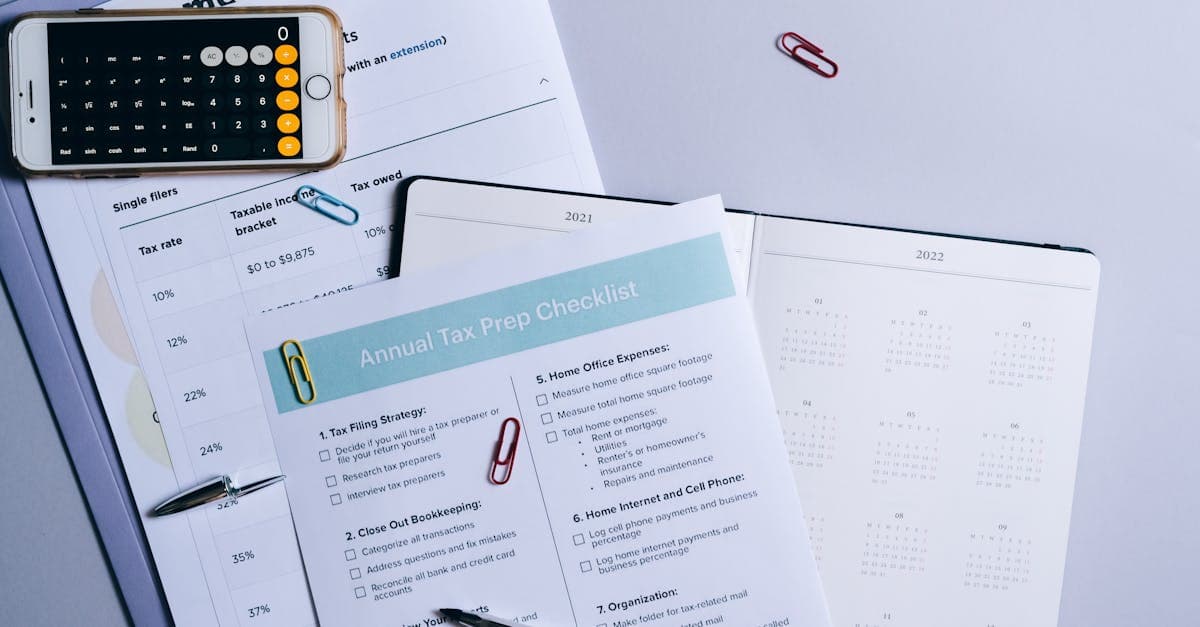
Policy Checkup Checklist: Every Item to Review During Your Annual Review
This comprehensive checklist covers every coverage, limit, deductible, endorsement, discount, and beneficiary designation you should review during your annual policy checkup.
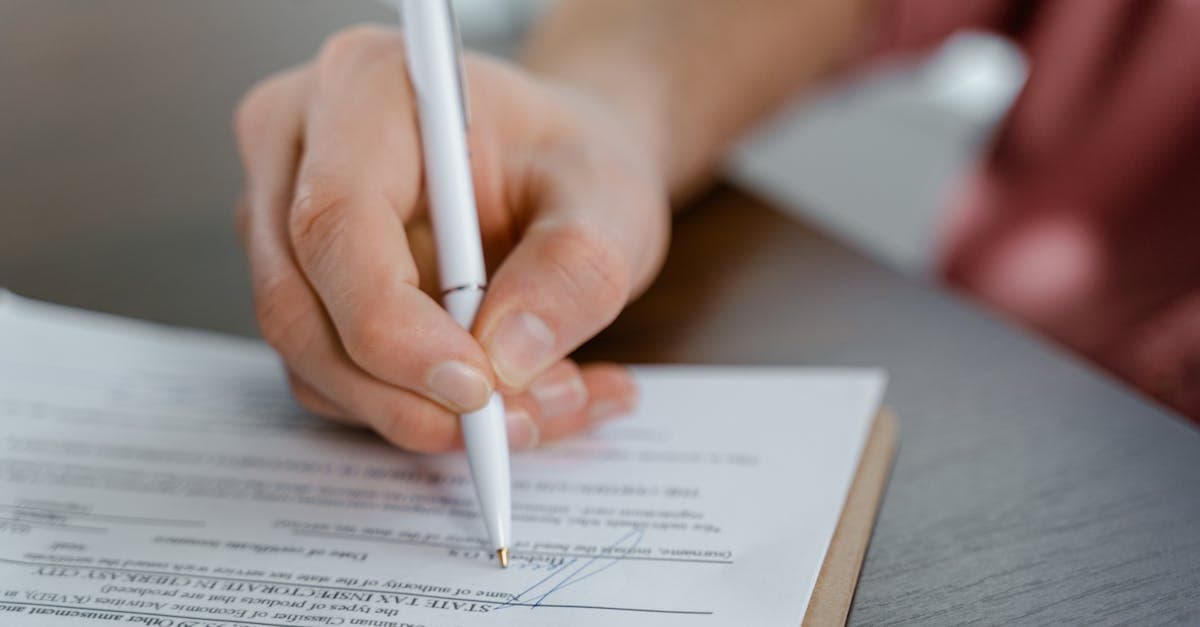
How to Protect Yourself Before Signing an Assignment of Benefits
Before signing any AOB, get a written estimate, verify the contractor is licensed, understand the scope of work, and know your right to rescind. These steps protect your interests.